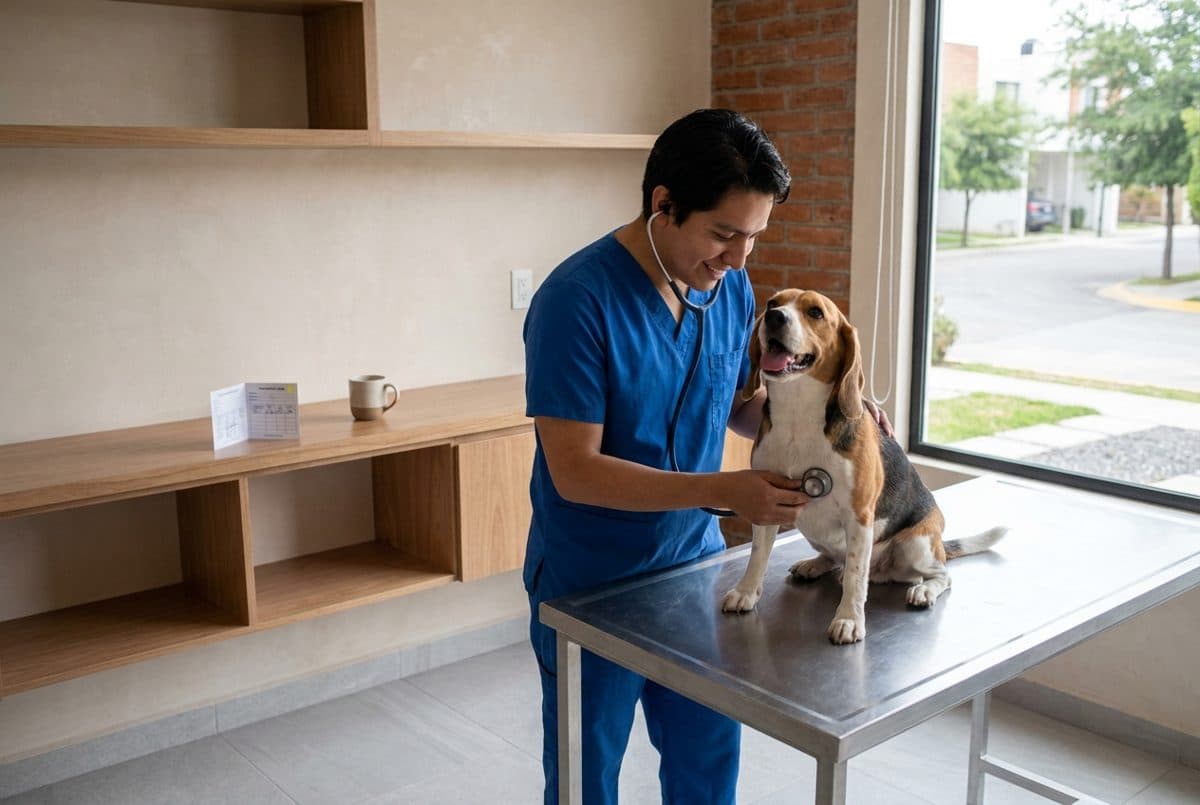
Vaccines protect your dog against severe infections and stop the spread of dangerous pathogens. Your veterinarian determines the exact schedule based on your dog's age, health, and local regulations.
This is general guidance. Always ask your vet.
What core vaccines does a dog need?
Every dog needs core vaccines to protect against canine distemper virus, canine adenovirus, canine parvovirus, and rabies virus.
Core vaccines protect all dogs from life-threatening diseases across all regions and lifestyles. Vaccination against canine adenovirus type 2 also shields your dog from canine infectious hepatitis caused by adenovirus type 1.
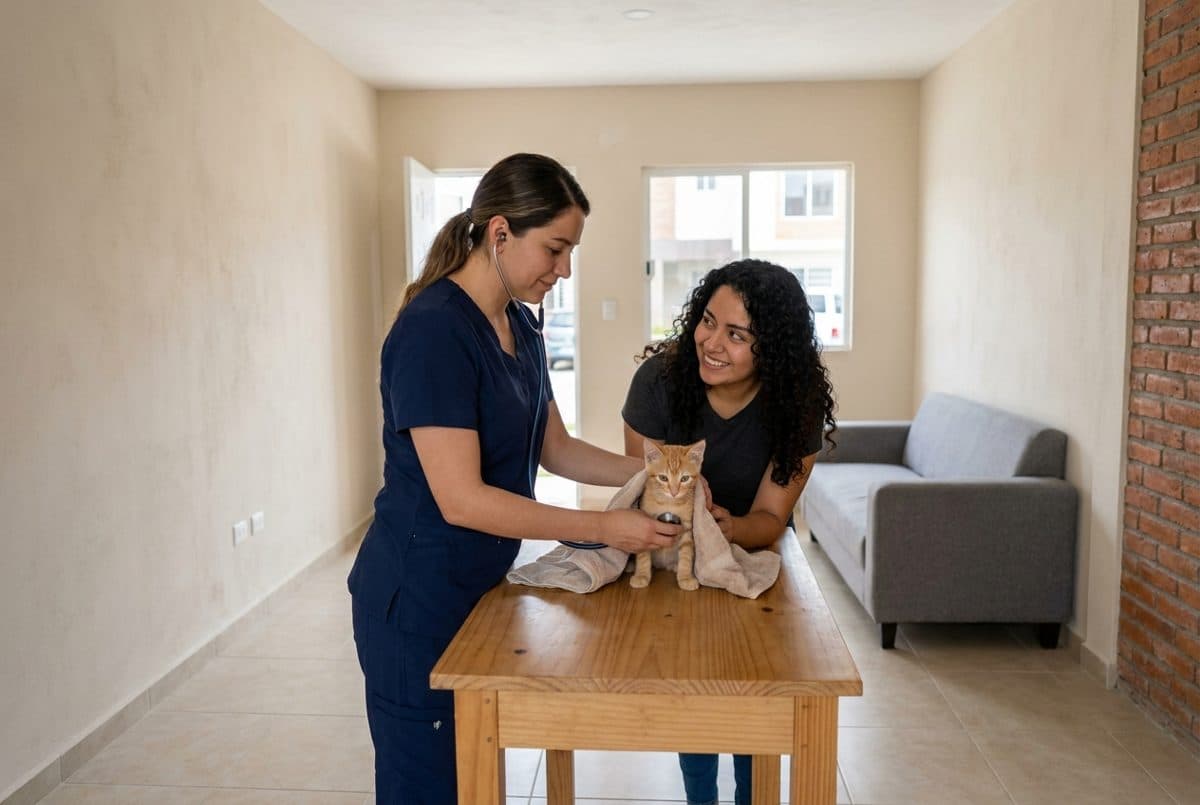
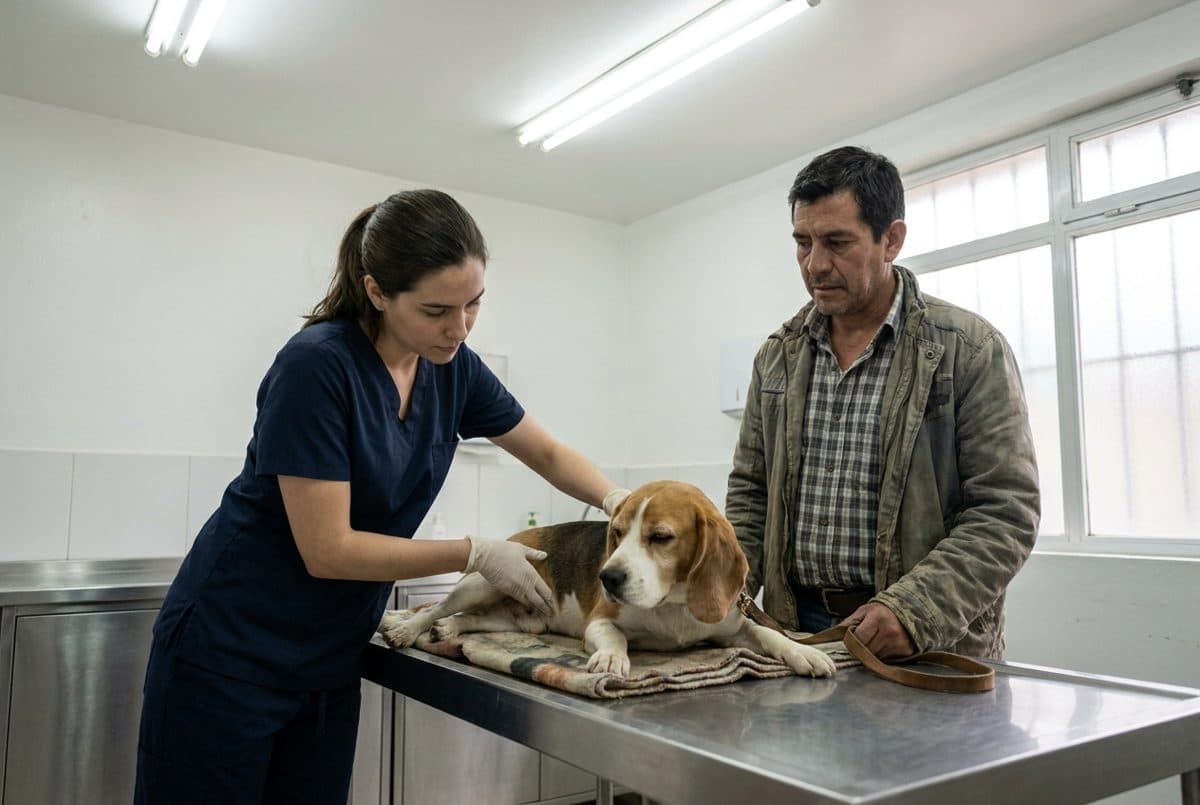
Your veterinarian conducts a clinical examination before administering vaccines because an existing illness reduces the immune response. Your veterinarian sets the final schedule for your dog.
[S1][S3][S7]Which optional vaccines should dogs receive?
Dogs receive non-core vaccines for Bordetella bronchiseptica, parainfluenza, canine influenza, leptospirosis, or Lyme disease according to their lifestyle and geographic risk.
Non-core vaccines defend dogs against diseases present in specific environments. Dogs that frequent boarding kennels, daycare centers, grooming salons, and dog parks benefit from vaccination against Bordetella bronchiseptica and parainfluenza.
Dogs entering high-density facilities or travel benefit from canine influenza protection. Dogs entering tick-populated areas benefit from Lyme disease immunization. Your veterinarian evaluates local conditions to prescribe the leptospirosis vaccine.
[S1][S3][S7]When should puppies get their first vaccines?
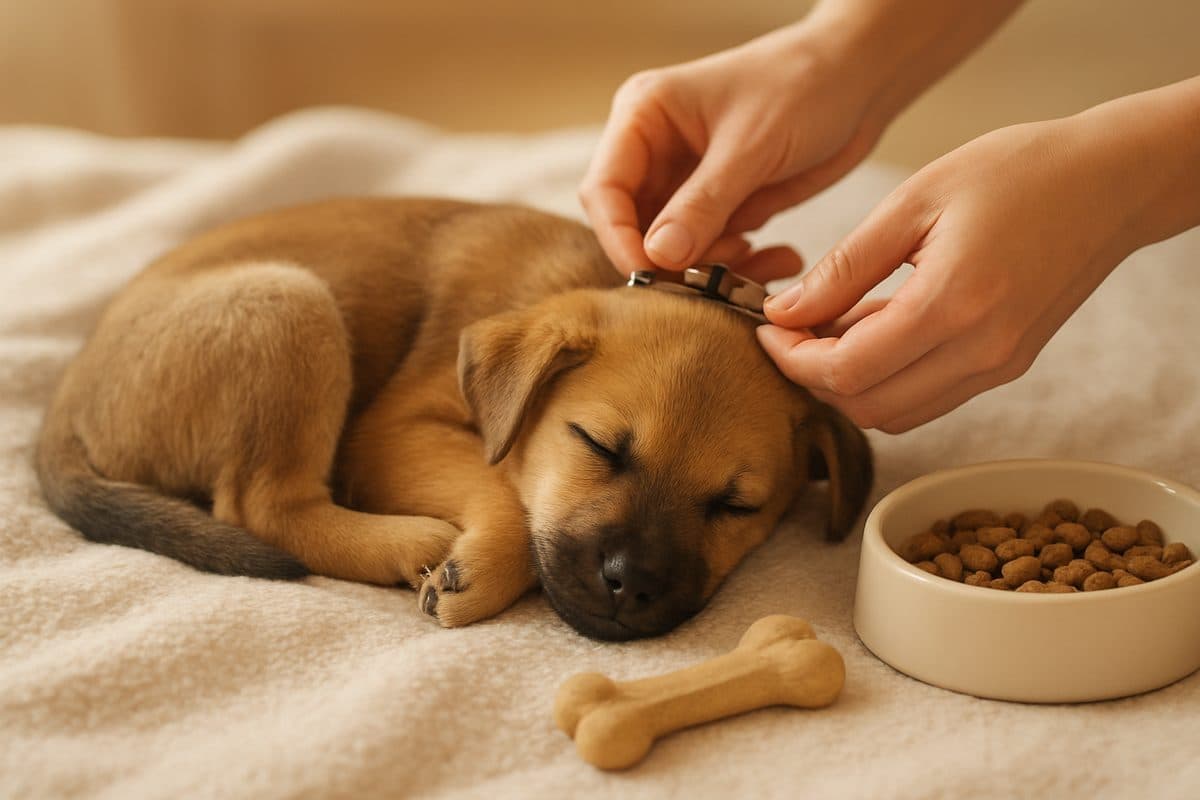
Puppies begin their core vaccine series between 6 and 8 weeks of age and receive booster shots every 3 to 4 weeks until 16 weeks of age.
Maternal antibodies consumed through mother's milk protect puppies during their earliest weeks. These maternal antibodies decrease between 8 and 16 weeks of age, allowing vaccines to stimulate the puppy's own immune system.
The puppy series concludes at or after 16 weeks of age to ensure lasting protection. Older dogs with an unrecorded medical history receive two doses spaced 3 to 4 weeks apart.
- Take your puppy to the veterinarian between 6 and 8 weeks of age for a clinical checkup and initial core shots.
- Return for booster visits every 3 to 4 weeks.
- Complete the final puppy series dose at or after 16 weeks of age.
What is the dog rabies vaccine schedule in Mexico?
Mexican official standard NOM-011-SSA2-2011 mandates that dogs receive rabies vaccines at one month of age, three months of age, and once every year throughout life.
Mexican law requires annual revaccination to protect dogs from rabies reservoirs in wildlife, including bats, skunks, foxes, and raccoons.
Mass vaccination creates community immunity and prevents viral transmission to humans. Health authorities maintain population vaccination coverage above 80 percent to halt virus circulation.
- Vaccinate your puppy against rabies at one month of age.
- Return for a rabies booster when your puppy reaches three months of age.
- Revaccinate your adult dog against rabies once every 12 months.
How often do adult dogs need booster shots?
Adult dogs receive core viral booster shots every 1 to 3 years and bacterial vaccines every 12 months.
Core vaccines against distemper, parvovirus, and adenovirus maintain protective immunity for up to 3 years in adult dogs. Your veterinarian selects the interval based on your dog's lifestyle and infection risks.
Bacterial immunizations against leptospirosis and Bordetella provide shorter protection. Dogs with ongoing exposure risks need revaccination every 12 months.
[S1][S3]What side effects happen after dog vaccines?
Dogs develop protective immunity within 10 to 14 days and may experience mild tiredness for 24 to 48 hours.
Small dogs receive the full standard vaccine volume to produce protective immunity. You can wait at the veterinary clinic for 30 to 60 minutes after the appointment to observe your dog under medical supervision.
Expected reactions include low energy, reduced appetite, and mild tenderness at the injection site for up to 48 hours. Intranasal vaccines can produce temporary sneezing, coughing, or nasal discharge for 2 to 4 days.
A small, firm injection lump normally shrinks within 14 days.
[S1][S2]What information belongs on a dog vaccination certificate?
A dog vaccination certificate must show the vaccine name, manufacturer, lot number, expiration date, application date, and the veterinarian's professional license number.
Sanitary authorities inspect your dog's vaccination certificate during domestic and international travel. Boarding facilities and dog daycares require this document before admitting your dog.
- Check that the card records the vaccine brand, batch number, and expiration date.
- Verify the card contains the injection date and the veterinarian's professional license number.
- Store the physical record for travel inspections and kennel admissions.
When should you go to the vet right away?
- Facial swelling or hives
- Difficulty breathing
- Persistent vomiting or diarrhea
- Sudden collapse
- An injection site lump that grows or persists past 3 weeks
This is general guidance. Always ask your vet.
Checked against sources; veterinary review pending. Information checked on September 27, 2026. Updated on September 28, 2026.
Written with AI help from the cited sources. A second model checked every fact against them.
Sources
- S1 Vaccines for Dogs | VCA Animal Hospitals
- S2 Care for Your Pet After Vaccination | VCA Animal Hospitals
- S3 Vaccinations for Your Pet | ASPCA
- S4 DOF - Diario Oficial de la Federación
- S5 Hay que seguir con la vacunación de perros una o dos veces al año - Gaceta UNAM
- S6 Rabies - WOAH - World Organisation for Animal Health
- S7 Canine influenza | Washington Animal Disease Diagnostic Laboratory | Washington State University
- S8 Bringing a Dog into the U.S. | Importation | CDC
- S9 Pet Travel | Domestic and International Travel With a Pet