
Guides for owners
Short answers to what dog and cat owners ask most. Every section lists its sources.
Guides
First aid

How to recognize an emergency in your pet
You can recognize a pet emergency by identifying severe signs such as breathing distress, pale or blue gums, sudden collapse, uncontrolled bleeding, and body temperatures above 103.0°F (39.4°C). Immediate action requires stabilizing your pet and transporting them to an emergency veterinary clinic right away.
Heatstroke in dogs and cats
Heatstroke is a life-threatening medical emergency where a pet's body temperature rises dangerously high. Immediate veterinary care and active cooling during transit protect your dog or cat from fatal organ damage.
If your dog or cat ate chocolate
Contact a veterinarian immediately if your dog or cat ate chocolate. Rapid medical treatment protects your pet from severe heart and nervous system complications.
Grapes and raisins: why they are toxic to dogs
Grapes and raisins contain tartaric acid, which canine kidneys cannot process safely. Ingesting these fruits causes acute kidney injury and requires immediate emergency veterinary care.
Xylitol: the sweetener that is dangerous for dogs
Xylitol triggers a rapid, dangerous insulin surge in dogs that causes severe low blood sugar and acute liver failure. Immediate emergency veterinary care is essential to protect your dog's life.
Poisoning in dogs and cats: what to do
Remove your pet from the poison immediately, check its breathing, and contact a veterinarian right away. First aid keeps your pet safe while you travel to the veterinary clinic for professional medical treatment.
Toxic plants for dogs and cats
Many common household and garden plants contain toxins that cause acute organ failure, heart dysfunction, or oral injury in pets. Immediate veterinary care and safe transport protect dogs and cats during an accidental poisoning.
If your dog bit a toad
Wipe your dog's mouth immediately with a damp cloth and transport your pet to an emergency veterinary clinic. Toad venom enters oral tissues rapidly and can cause fatal cardiac arrest within 15 minutes.
Choking: what to do if your pet is choking
Call an emergency veterinary clinic immediately and transport your pet without delay. Perform first aid maneuvers only to keep your pet stable on the way to the clinic.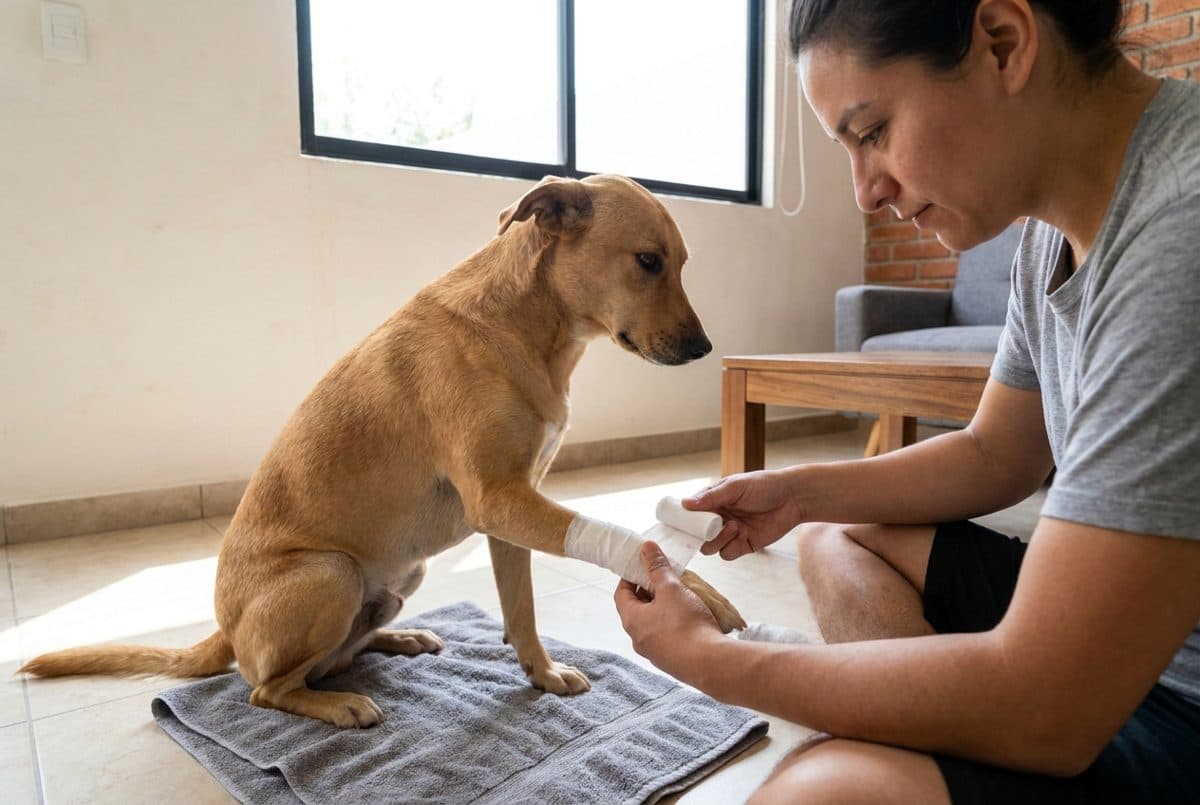
Wounds and bleeding: first aid
First aid stabilizes a bleeding pet and keeps it safe during transport to a clinic. Apply direct pressure to the wound and take your animal to a veterinarian immediately.
Seizures in dogs and cats: what to do
Keep your seizing pet safe by clearing hard objects away, keeping your hands away from their mouth, and calling an emergency vet clinic immediately. First aid protects your dog or cat from physical injury while you arrange urgent veterinary care.
Bee, scorpion and spider stings in pets
Bee stings, scorpion stings, and spider bites deliver venom that causes acute pain, swelling, and life-threatening systemic emergencies in pets. First aid stabilizes your dog or cat during transport, and immediate veterinary evaluation provides necessary medical treatment.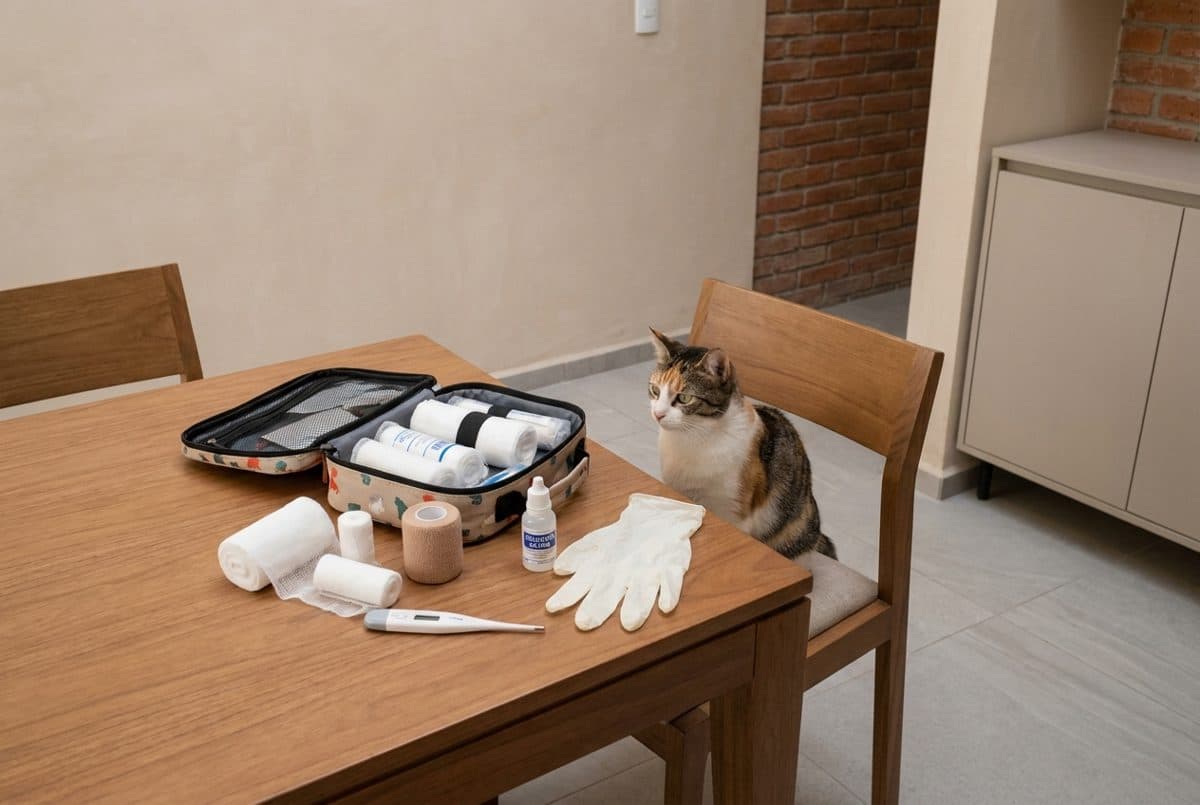
What to keep in your pet's first aid kit
A complete pet first aid kit contains bandages, sterile saline, blunt scissors, tweezers, a digital rectal thermometer, protective gloves, and a warming blanket. It also includes an emergency contact card, pet medical records, and restraint tools like a muzzle or towel.
How to move an injured pet
To move an injured pet, stabilize their spine on a rigid board or blanket, prevent defensive bites, and transport them immediately to an emergency veterinary clinic. Call the hospital ahead of time so the medical team prepares for your arrival.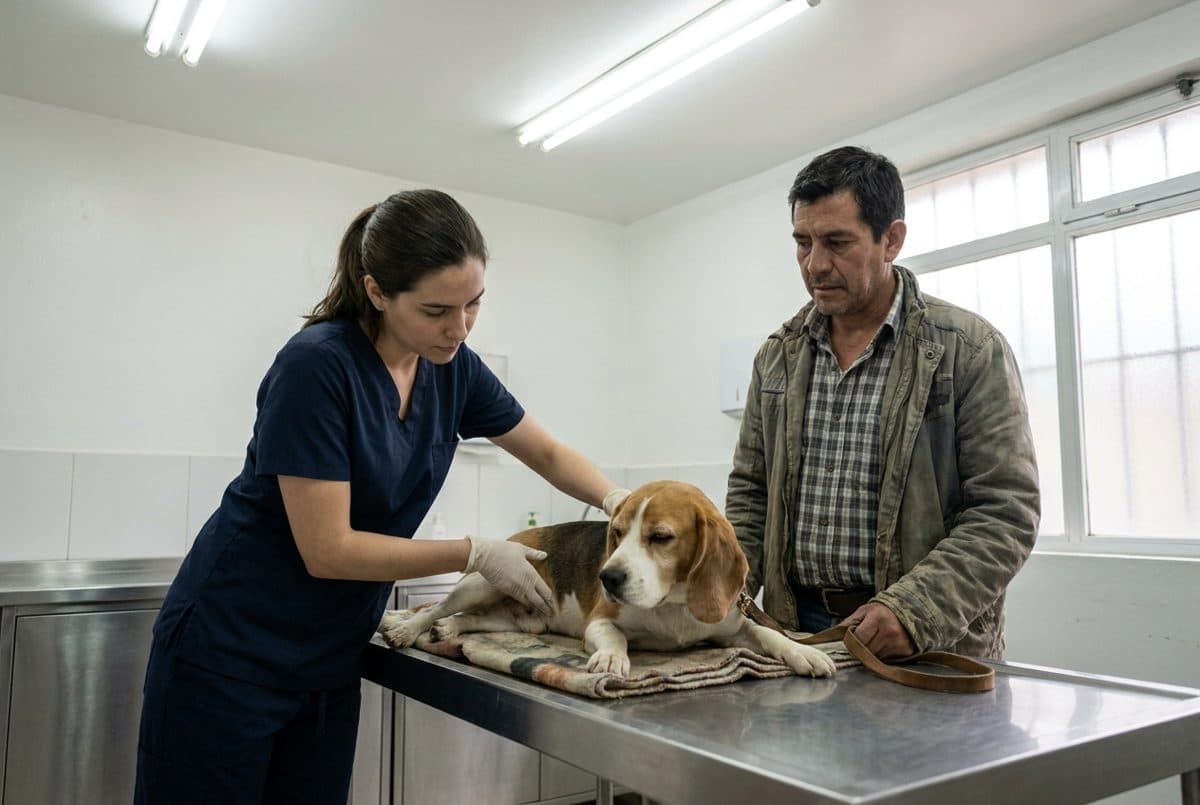
Vomiting and diarrhea: when to see the vet
Take your pet to a veterinary clinic immediately if vomiting or diarrhea occurs with blood, lethargy, or dehydration. Multiple episodes within 24 hours also require prompt medical evaluation.
Toxic foods for dogs and cats
Many household foods cause severe poisoning, organ failure, and physical blockages in dogs and cats. Immediate veterinary care protects your pet whenever toxic ingestion occurs.Guides
Care by life stage

Caring for your puppy in the first months
Caring for your puppy requires scheduling regular veterinary checkups, starting vaccines and deworming on schedule, and socializing safely. Consistent house training and active supervision build healthy lifelong habits.
Caring for your kitten in the first months
Caring for your kitten in the first months involves routine veterinary visits, complete nutrition, structured socialization, and proper home equipment. Your veterinarian guides medical milestones while you provide daily handling, litter maintenance, and scratching surfaces.
Adult dog care
Adult dog care combines annual veterinary evaluations, balanced daily physical activity, proper dental hygiene, and regular coat maintenance to protect long-term canine health. You maintain your dog's well-being by monitoring body condition, providing mental enrichment, and following preventive medical schedules.
Adult cat care
Adult cat care combines annual veterinary exams, balanced nutrition, daily environmental enrichment, and routine home grooming. These habits maintain your cat's physical health and support natural behaviors.
Senior dog care
Senior dog care requires veterinary checkups every six months, balanced protein nutrition, and home adaptations for joint mobility. Consistent monitoring helps you identify age-related physical and cognitive changes early.
Senior cat care
Senior cat care centers on regular veterinary examinations, home mobility adaptations, and routine monitoring of body weight and water intake. Proactive wellness visits and tailored environments preserve comfort and support aging organ function.
Puppy socialization: what and when
Puppy socialization introduces your dog to varied people, surfaces, sounds, and animals to build confident behavior. This critical learning period starts at 3 weeks of age and concludes between 14 and 20 weeks of age.
Spaying and neutering: what to ask your vet
Consulting your veterinarian helps you choose the right sterilization timing for your pet's breed and size while planning safe surgical care and recovery. Asking key questions about anesthesia, pain relief, and home rest ensures a smooth procedure.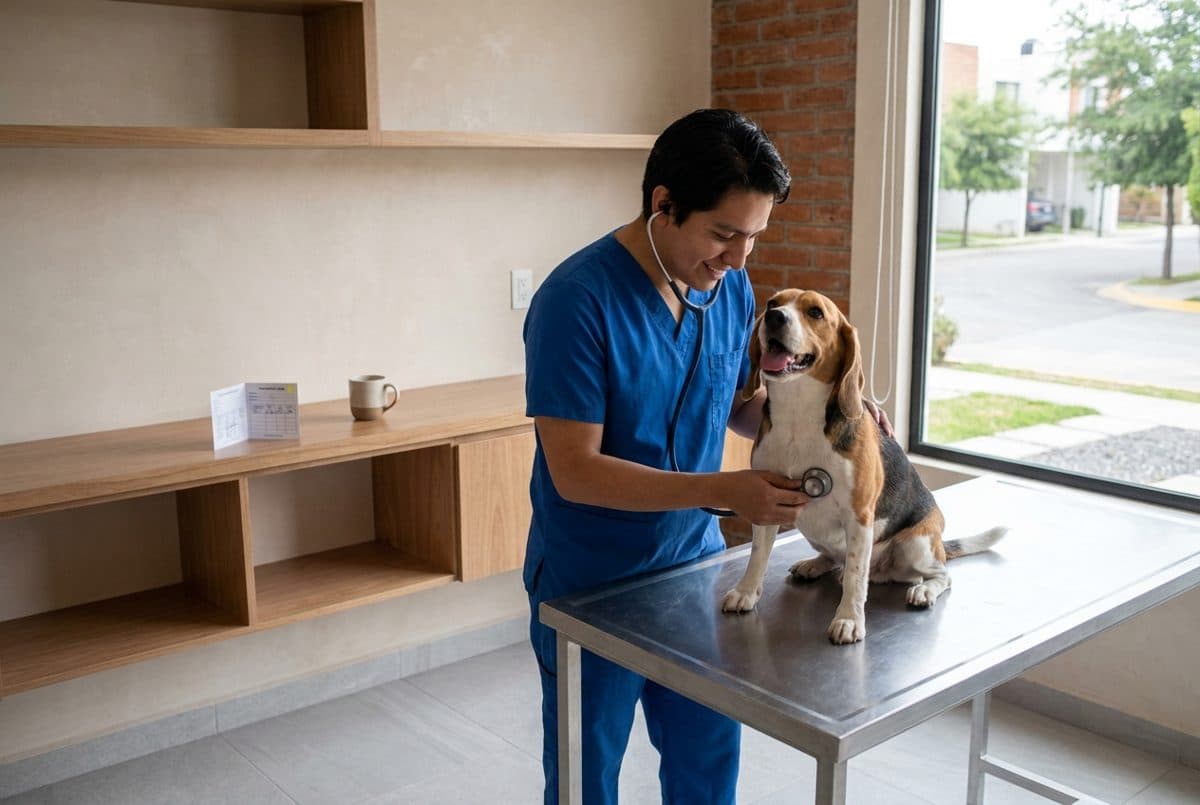
Dog vaccines: which ones and how often
Dogs require core vaccines for distemper, parvovirus, adenovirus, and rabies, alongside optional vaccines matched to their lifestyle. Puppies receive booster doses every 3 to 4 weeks until 16 weeks of age, while adult dogs receive boosters every 1 to 3 years.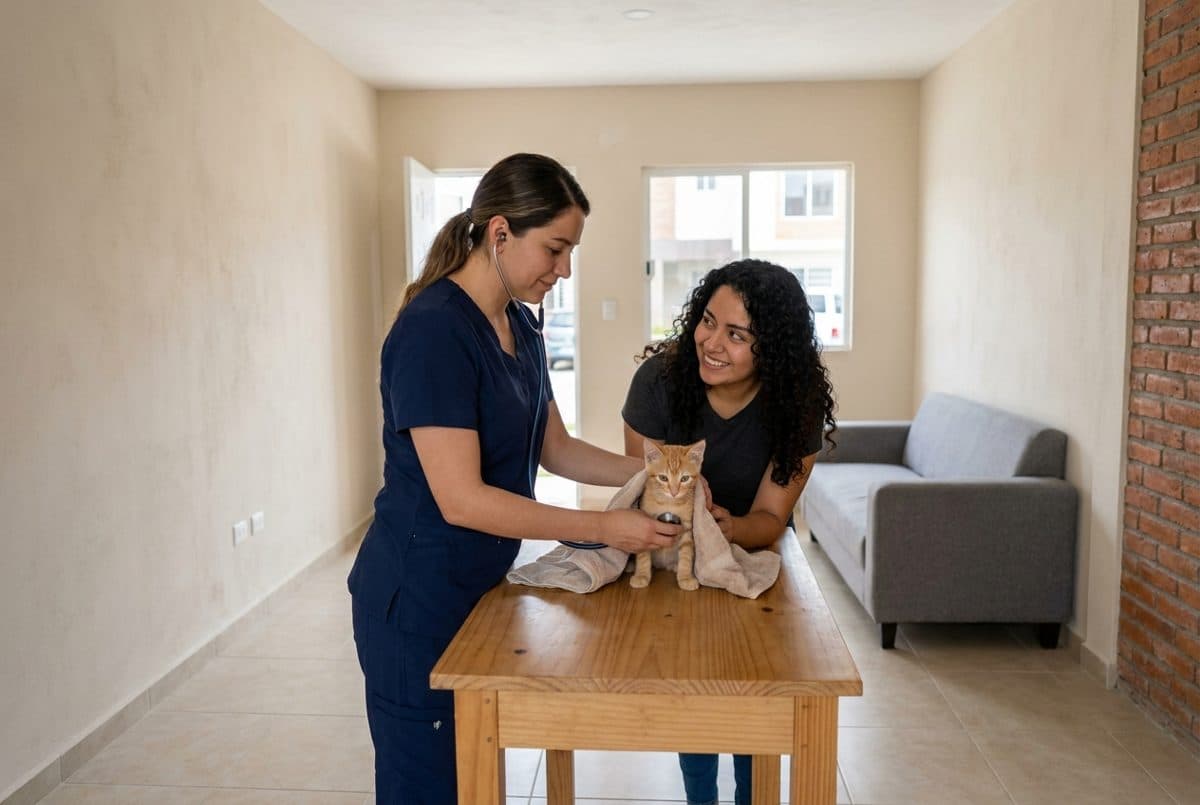
Cat vaccines: which ones and how often
Cats require core vaccines against panleukopenia, herpesvirus, calicivirus, and rabies, starting in kittenhood and continuing with boosters every one to three years throughout adulthood. Your veterinarian designs the exact schedule to match your cat's age, lifestyle, and local risk factors.
Deworming dogs and cats
Deworming dogs and cats protects pets and families from internal and external parasites. Your veterinarian designs a specific antiparasitic plan based on your pet's life stage and health risks.
How to care for your dog's or cat's teeth
You care for your dog's or cat's teeth through daily brushing with pet-safe toothpaste and feeding Veterinary Oral Health Council accepted chews. Regular veterinary oral examinations and professional anesthetized cleanings protect their lifelong health.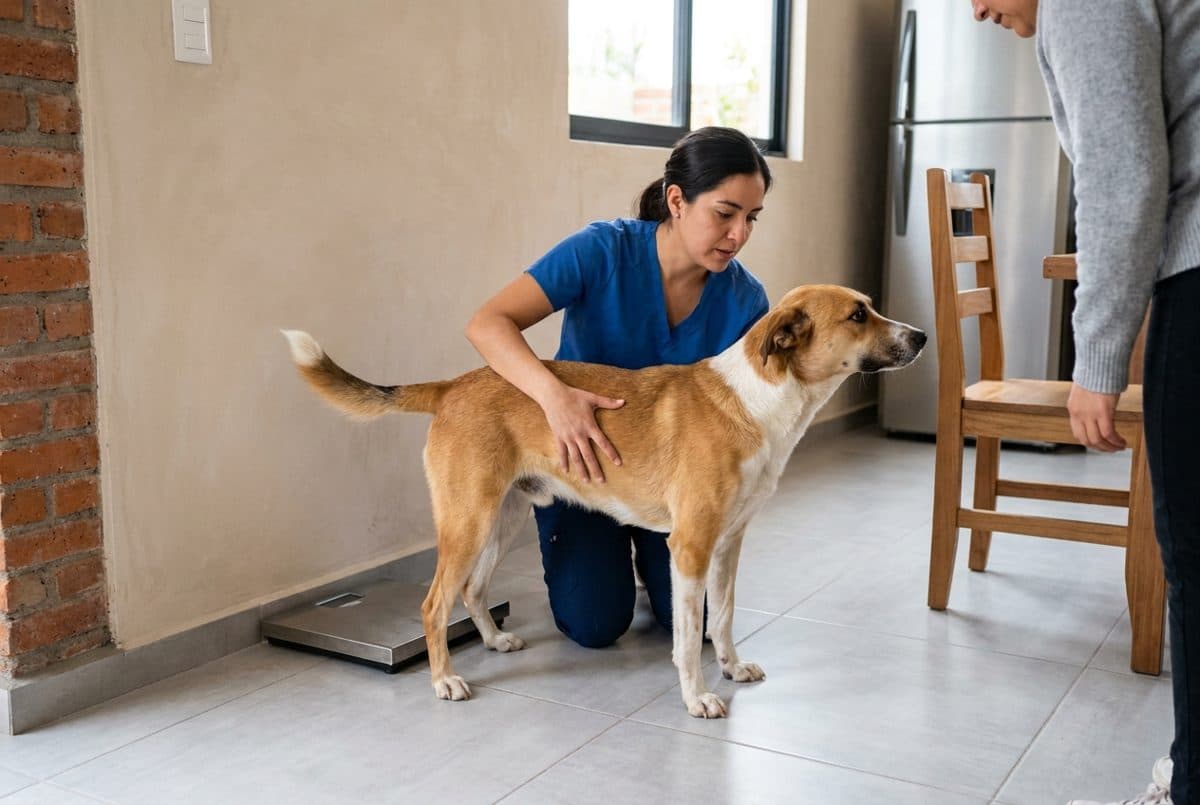
How to know if your pet has a healthy weight
You know your pet has a healthy weight when you can easily feel their ribs under a thin fat layer, see an hourglass waist from above, and observe an upward belly tuck from the side. Regular hands-on checks and kitchen scale weigh-ins confirm whether your dog or cat stays in a healthy range.
How much exercise your dog needs
Healthy adult dogs need 10 to 30 minutes of daily physical activity, adjusted for age, breed, and health. Puppies and senior dogs benefit from short, gentle sessions that protect developing or aging joints.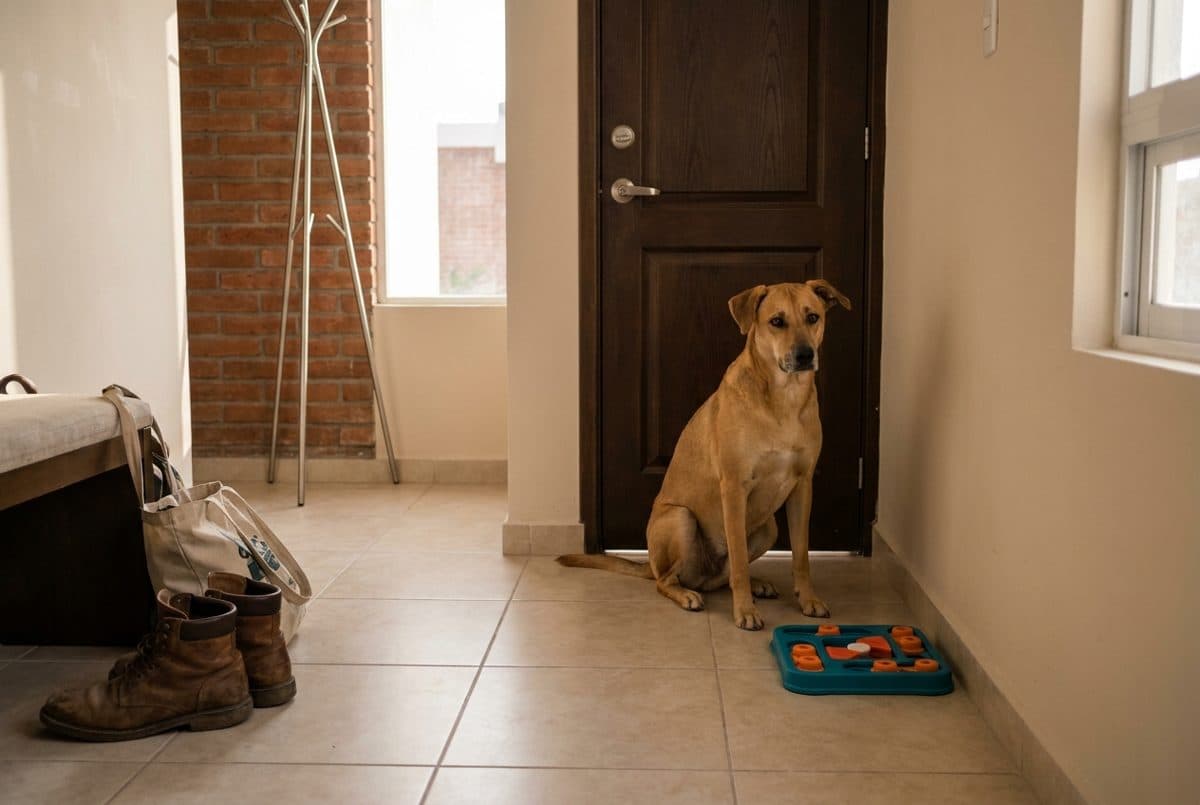
Separation anxiety: signs and what to do
Separation anxiety causes destructive behaviors, vocalization, and physical distress when pets remain alone. You address this condition through graduated desensitization, environmental enrichment, and veterinary guidance.Guides
Responsible ownership
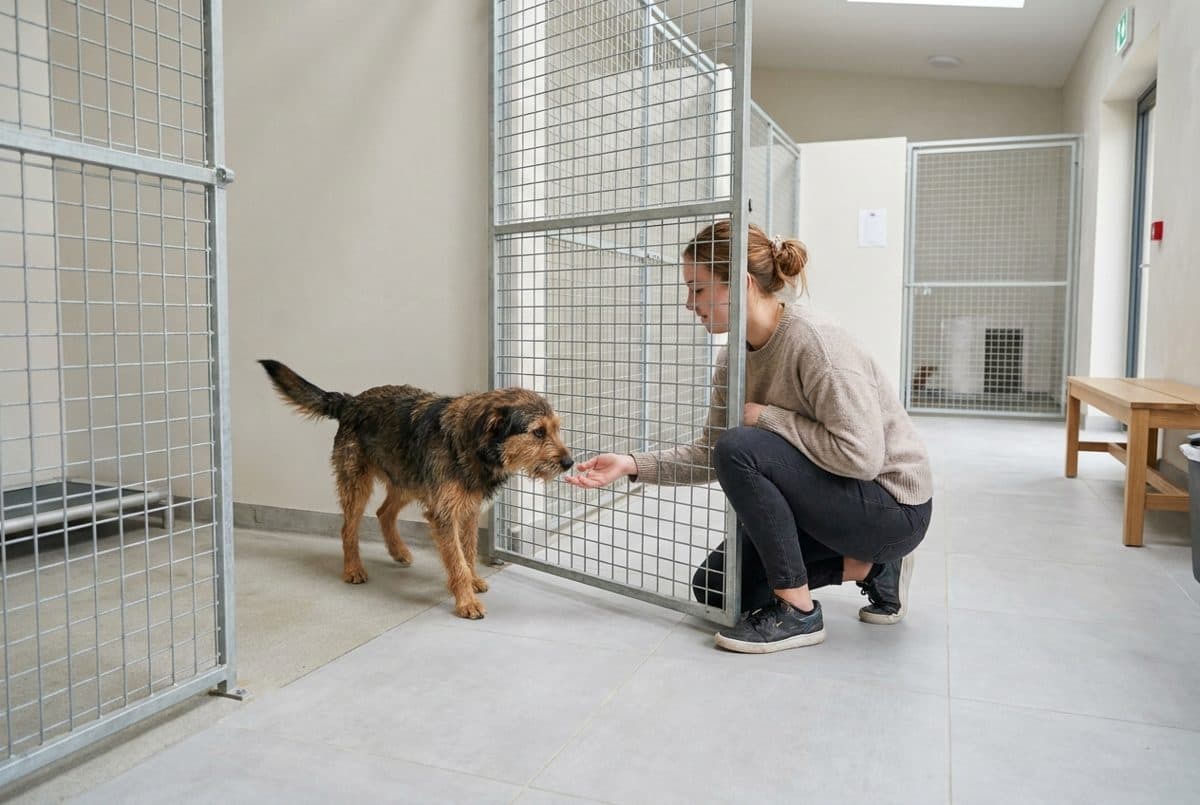
Before adopting a dog or cat
Adopting a pet requires matching an animal's exercise and space needs to your daily routine, budgeting for ongoing veterinary care, and preparing your household. You succeed by asking clear questions about health history and choosing a reputable shelter or health-tested breeder.
Your new dog's first days at home
Your new dog needs a secure home, a calm resting zone, and a predictable daily routine during their first days. Provide quiet decompression time while establishing regular bathroom outings, age-appropriate feeding, and veterinary care.
Your new cat's first days at home
Your new cat needs a quiet sanctuary room with personal supplies, accessible litter trays, and gradual pet introductions. Cat-proofing against window falls and plant toxins protects your pet while you establish care with a veterinarian.
How to introduce a new pet to the one you have
Introducing a new pet requires gradual separation, scent swapping, controlled meetings, and separate resources. You advance through each stage as both animals display calm body language.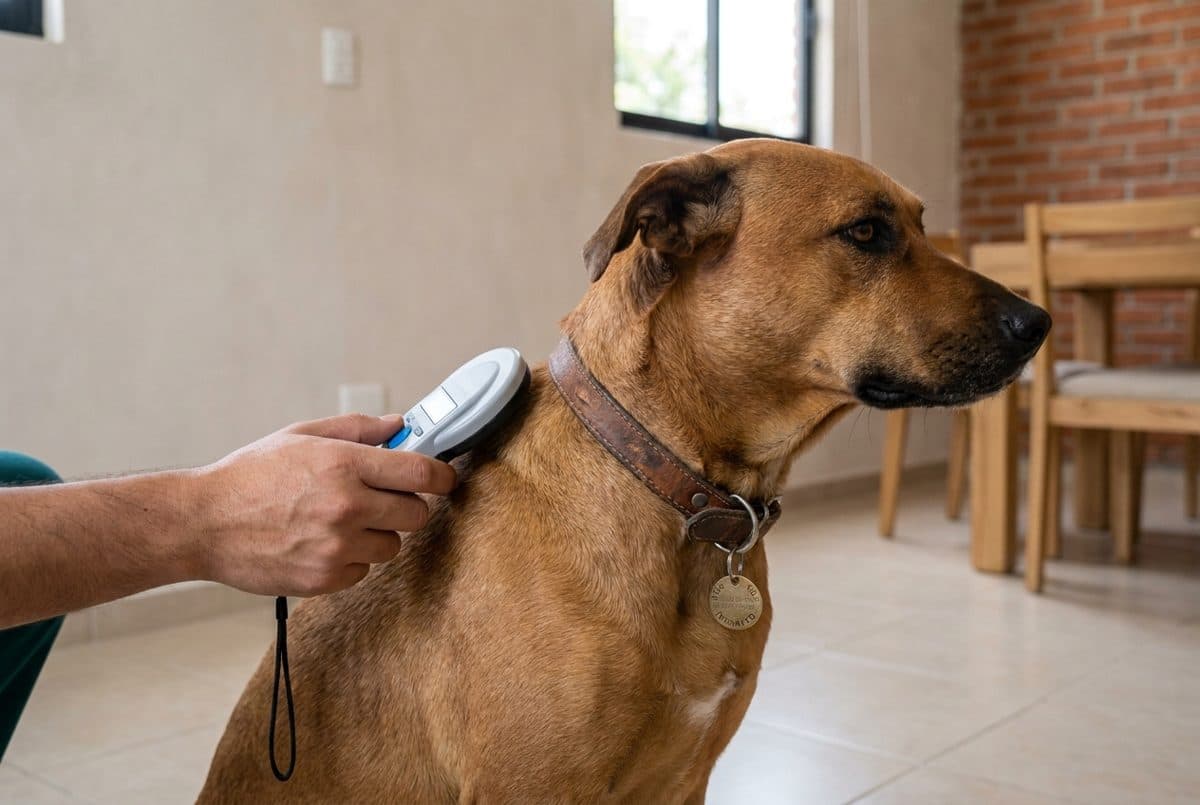
ID tag and microchip
A collar ID tag and an implanted microchip provide two complementary layers of identification that protect your pet if they get lost. The collar tag displays your active phone number for an immediate return, while the permanent microchip stores an assigned registration code readable by veterinary scanners.
What to do if your pet is lost
Search your home and immediate neighborhood right away, alert local shelters, and verify your pet's microchip details. Distribute bold flyers across your community and visit shelters in person to speed up recovery.
Keeping your pet safe in hot weather
Keep your pet safe in hot weather by walking during cool hours, providing constant hydration, and never leaving them in parked vehicles. Quick cooling with tap water and immediate veterinary care protect pets when temperatures rise to dangerous levels.
Fireworks: how to help your pet
You can help your pet during fireworks by providing a secure indoor sanctuary, blocking noise and light, and keeping their daily routine calm. Preparing weeks in advance with sound training and veterinary support gives your pet long-term protection.
Rainy season pet care
Rainy season pet care protects your animals from contaminated floodwater, active parasites, toxic toads, and storm anxiety between May and November in Mexico. You keep pets safe by maintaining year-round preventive care, drying skin after rain, and securing indoor environments.
Keeping your pet safe in cold weather
Protect your pets during cold weather by providing warm elevated bedding, dressing vulnerable animals in snug coats, and blocking indoor drafts. Keep animals away from hot radiators, car engines, toxic antifreeze, and fuel exhaust throughout the winter.
Kids and pets: living together safely
Living safely with pets requires active adult supervision, clear physical boundaries for animals, and consistent handwashing. Teaching children how to read pet body language and interact calmly prevents injuries at home.
Safe windows and balconies for your cat
Fit sturdy screens to open windows and enclose balconies to protect your cat from falls. Indoor climbing trees and puzzle toys satisfy your cat's curiosity safely.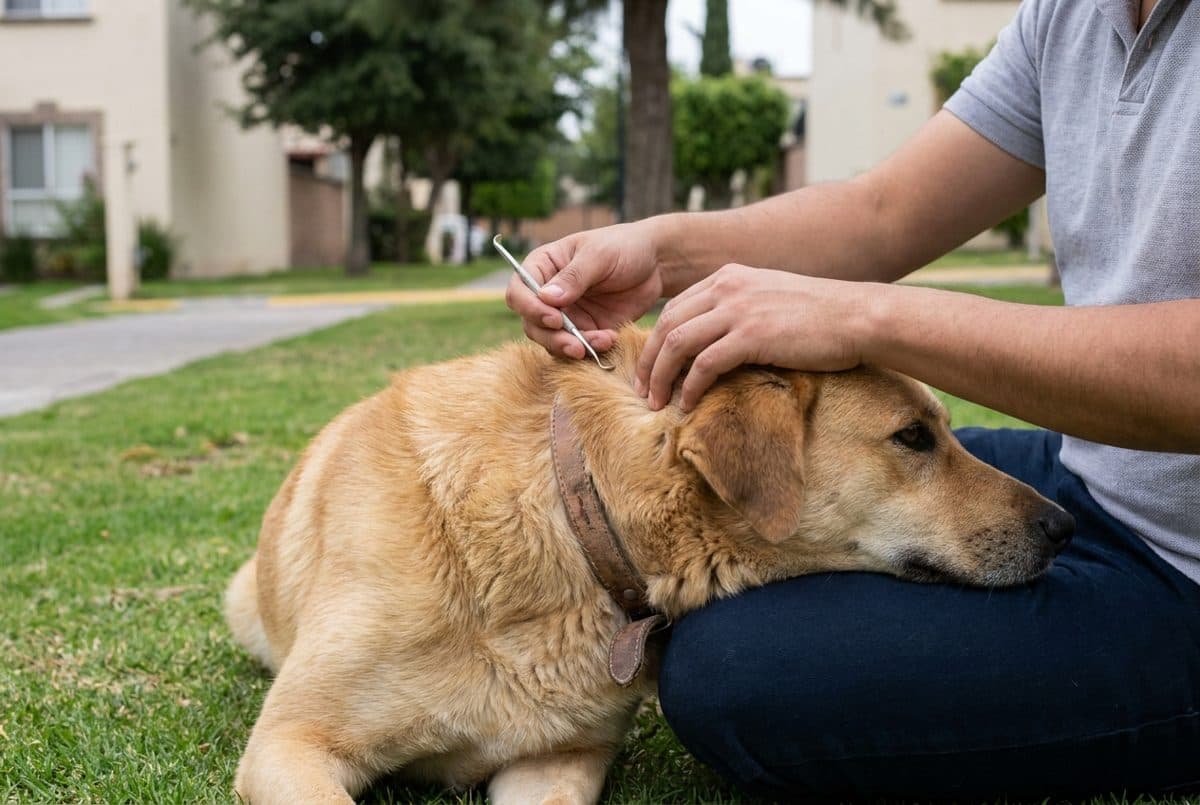
Ticks on dogs: how to check and remove them
Check your dog daily by feeling through the coat, especially around the ears, paws, and neck. Pull attached ticks straight upward using clean, fine-tipped tweezers placed right against the skin.This is general guidance. Always ask your vet.