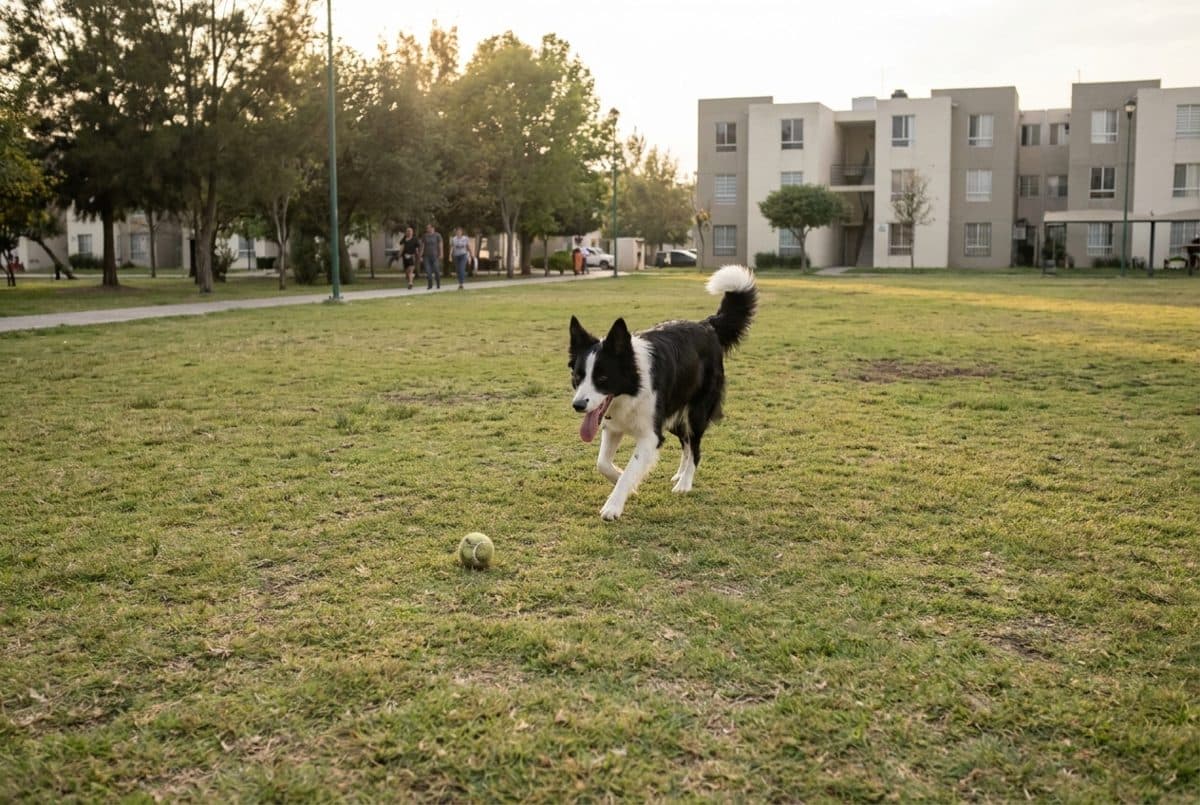
Daily walks and active play keep your dog physically fit, maintain joint mobility, and provide mental enrichment. Your dog's daily exercise plan depends on life stage, body condition, and breed.
This is general guidance. Always ask your vet.
How much daily exercise does an adult dog need?
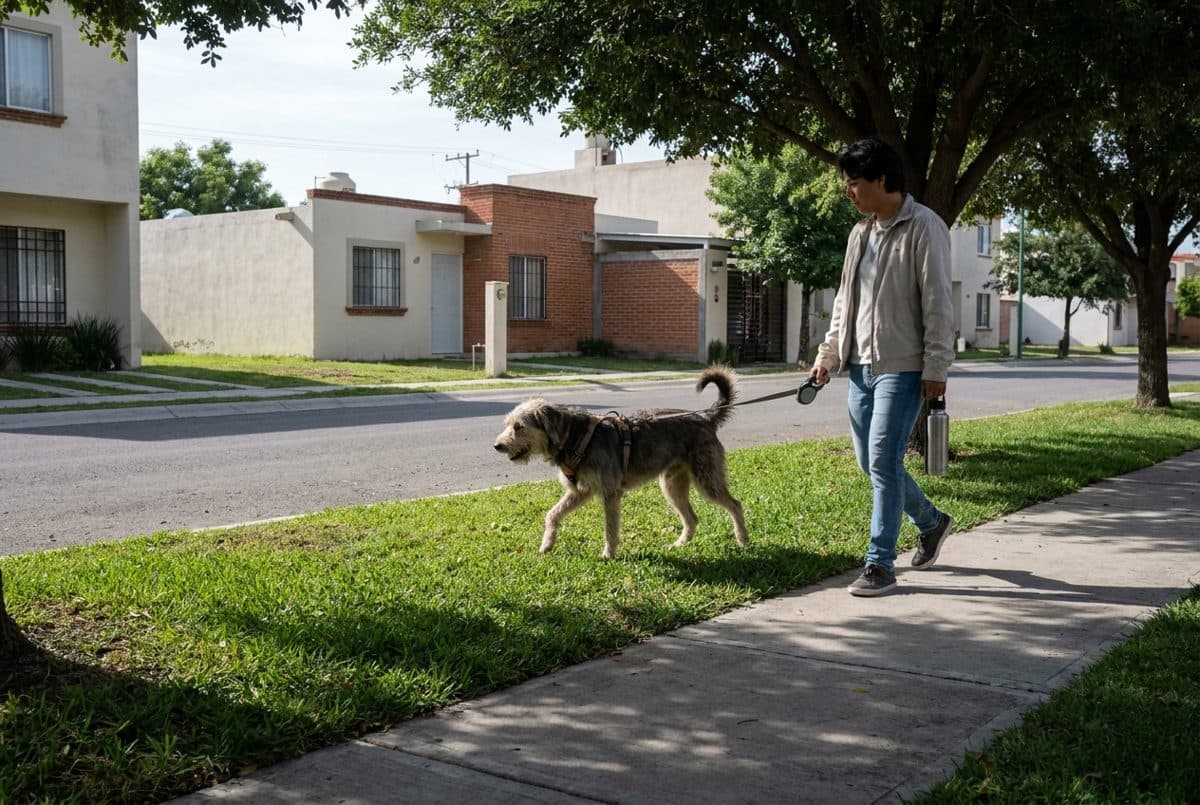
Healthy adult dogs need a minimum of 10 to 15 minutes of continuous daily activity, with most managing a 20 to 30 minute walk comfortably.
A daily 20-minute walk builds endurance and protects joints over time. Dogs in peak athletic condition can complete walks up to two hours or hikes across several hours.
Working and herding breeds require substantial physical and mental exertion. Overweight dogs often tire after 10 minutes of walking, requiring short sessions with frequent rests.
[S1][S5]How much exercise does a growing puppy need?
Puppies need self-paced play in a secure area to protect their unfused cartilaginous growth plates.
Skeletal maturity occurs around one year of age in most dogs, and up to two years in giant breeds. Allow puppies to run freely at their own pace in your yard or home.
Limit jumping off high surfaces, skidding, and sharp turns to protect hip joints. Carry your puppy outdoors for early socialization until your veterinarian completes their full vaccination schedule.
Sudden bursts of frantic running indicate an overtired puppy that needs quiet rest.
[S3][S11]How should you exercise a senior dog?
Senior dogs benefit from three 10-minute walks each day to maintain joint mobility.
Dogs aged nine and older often experience reduced endurance from muscle loss or joint stiffness. Dividing exercise into multiple brief walks keeps arthritic joints moving and prevents stiffness after long rest periods.
Controlled exercises improve balance and limb coordination. Guide your dog slowly over ground poles spaced one body-length apart to improve joint flexion.
Strengthen core stability by holding one paw off the ground for a three-legged standing exercise. Keep arthritic dogs away from high-impact ball chasing to protect them from joint trauma caused by sudden turns and stops.
[S1][S6]How should you walk a flat-faced dog?
Walk flat-faced dogs during cool weather using a supportive chest harness to protect their airways.
Brachycephalic dogs have narrow nostrils and elongated soft palates that increase resistance during breathing. These restricted airways make panting inefficient and lead to rapid overheating.
Attach your walking leash to a body harness. A neck collar compresses the windpipe and restricts airflow.
Schedule physical activity strictly during cool hours to protect your dog from respiratory collapse.
[S2][S5][S7]How do you test if the pavement is safe for dog walks?
Test pavement temperature with the back of your hand for five seconds before walking your dog on warm days.
Hot pavement burns canine paw pads quickly. Schedule outdoor walks during the cool hours of early morning and late evening.
Front limbs support sixty percent of your dog's body weight, placing heavy friction and pressure on front paw pads during activity.
- Place the back of your bare hand firmly against the pavement surface.
- Hold your hand against the ground for five continuous seconds.
- Walk your dog on grass or delay the walk if the ground feels uncomfortable against your skin.
How can you provide mental exercise for your dog?
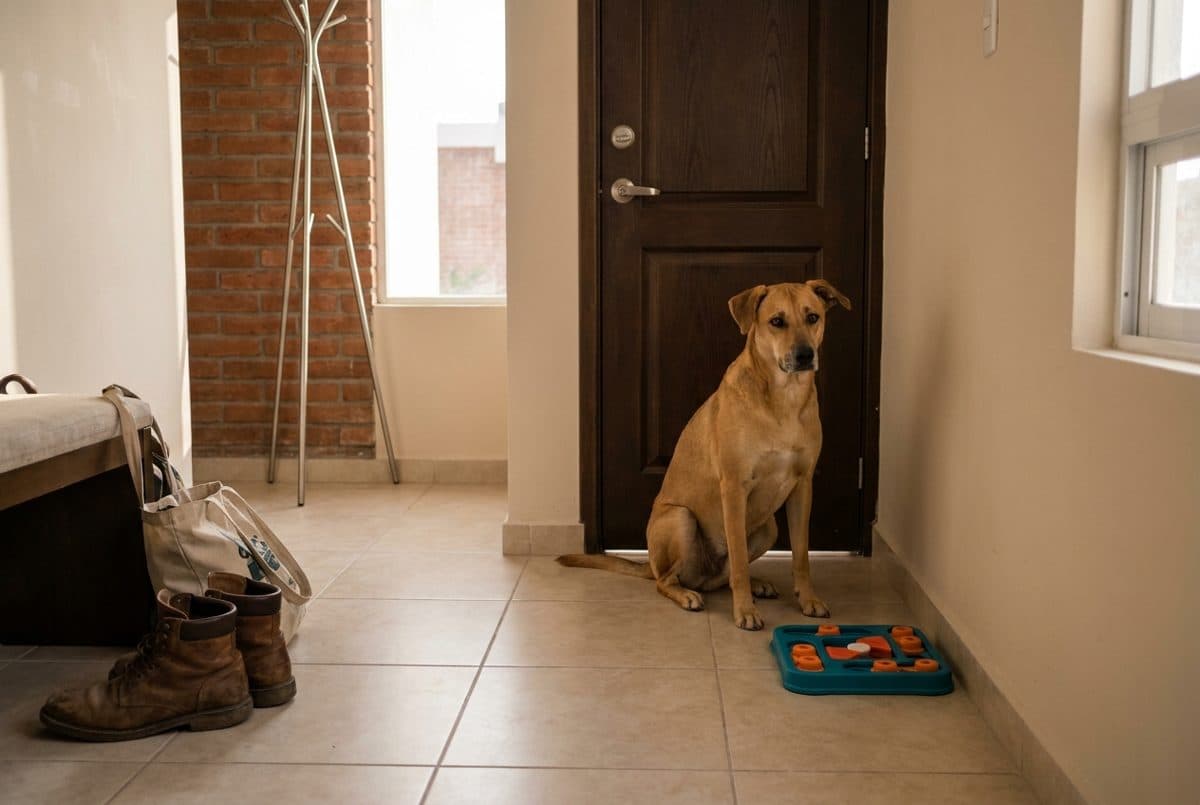
Engage your dog's sense of smell with sniffing walks and puzzle toys to burn energy calmly.
Dogs possess around 300 million scent receptors in their noses. Allowing your dog to pause and sniff along the walking route engages sensory processing and calms the nervous system.
Feed meals through snuffle mats, puzzle toys, and scent games. These activities stimulate natural problem-solving instincts and prevent rapid gulping of food.
[S8]What should you do if your dog overheats?
Cool your dog immediately with cool tap water and take them to an emergency veterinary clinic.
A dog's normal body temperature sits between 38°C and 39°C (100.4°F to 102.2°F). A temperature exceeding 40°C (104°F) signals dangerous heatstroke.
Restrict intense exercise during warm weather to prevent fatal heat exhaustion.
- Move your dog to a cool, shaded environment immediately.
- Pour cool tap water directly over your dog's body.
- Leave wet towels off the fur so body heat escapes freely.
- Transport your dog directly to the nearest veterinary clinic.
When should you go to the vet right away?
- Body temperature exceeding 40°C (104°F)
- Sudden collapse or respiratory distress during activity
- Heavy panting that fails to resolve after resting
- Bleeding paw pads, torn skin flaps, or thinned tissue
- Sudden refusal to stand, limping, or whining upon movement
This is general guidance. Always ask your vet.
Checked against sources; veterinary review pending. Information checked on September 28, 2026. Updated on September 28, 2026.
Written with AI help from the cited sources. A second model checked every fact against them.
Sources
- S1 How Often Should You Walk Your Dog? | PetMD
- S2 5 Signs Your Dog Is Getting Too Much Exercise | PetMD
- S3 Exercising your puppy - PDSA
- S4 Heatstroke in dogs - PDSA
- S5 Healthy Exercise for Dogs | VCA Animal Hospitals
- S6 Exercising Dogs with Osteoarthritis | VCA Animal Hospitals
- S7 Brachycephalic Airway Syndrome in Dogs | VCA Animal Hospitals
- S8 Exercising the mind is exercise!
- S9 Keeping Your Dog Safe in Summer - RSPCA - rspca.org.uk
- S10 Dog Hot Weather Safety Tips & Help | Dogs Trust
- S11 Taking Your Puppy on Their First Walk | Dogs Trust