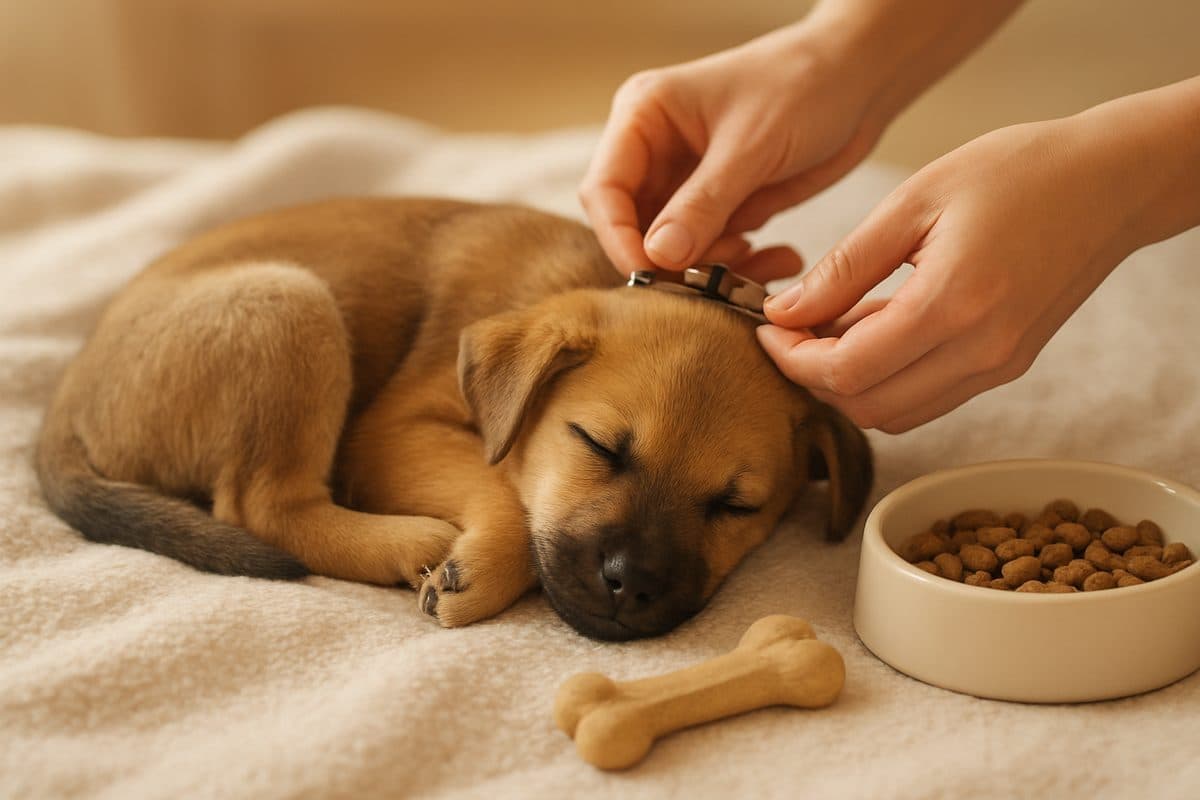
Puppies experience rapid physical and behavioral development during their first months of life. Scheduled veterinary visits and structured daily routines give your dog a healthy start.
This is general guidance. Always ask your vet.
How often should a puppy visit the vet?
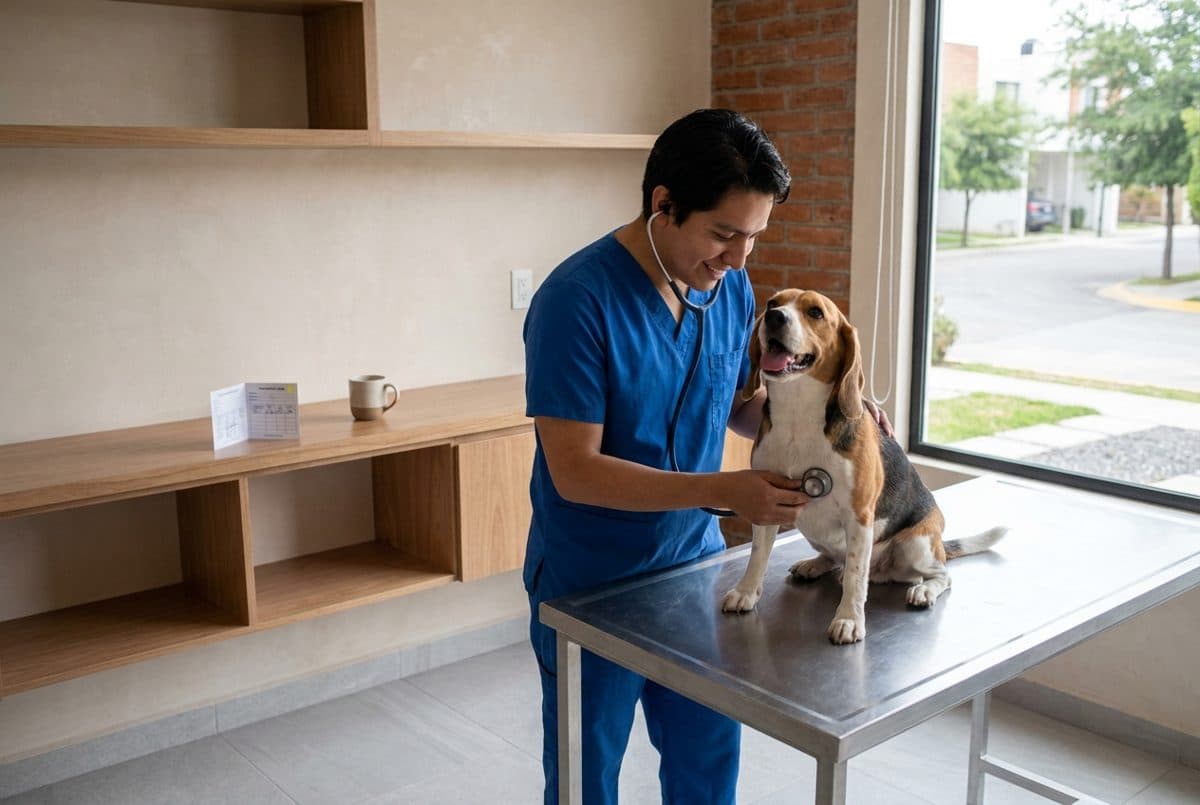
Puppies attend wellness visits every 3 to 4 weeks until they reach 4 to 5 months of age.
Your veterinarian evaluates growth, oral health, nutrition, and behavior during each visit.
[S2]When do puppies get their shots?
Puppies begin core combination vaccines between 6 and 8 weeks of age and receive their final dose at 16 weeks of age or older.
Core vaccines protect against Canine Distemper Virus, Canine Adenovirus, Canine Parvovirus, and Rabies virus in endemic areas.
Finishing the core series at 16 weeks of age or older prevents maternal antibodies from interfering with protection.
Your veterinarian selects non-core vaccines such as Bordetella, Leptospira, and Lyme disease based on your puppy's lifestyle, exposure, and geographic risk.
[S2][S3]When should puppy deworming start?
Routine puppy deworming starts at 2 weeks of age because puppies frequently acquire parasites before birth or through milk.
Your veterinarian establishes a deworming plan to treat internal parasites during early growth.
[S3]How do you house train a puppy?
House train your puppy by escorting them to the exact same elimination spot on a set schedule and rewarding them immediately after they go.
Puppies naturally eliminate 10 to 15 minutes after eating a meal.
Crates provide a secure den that leverages your puppy's instinct to keep their sleeping area clean.
Enzymatic cleaners eliminate organic odors that trigger repeat accidents inside your home.
- Take your puppy to the designated toilet spot immediately after waking and 10 to 15 minutes after meals.
- Reward your puppy with praise and treats immediately after they eliminate in the correct spot.
- Clean indoor accidents with an enzymatic cleaner to remove organic scent markers.
How do you manage puppy chewing?
Manage destructive chewing by puppy-proofing your living areas, supervising your puppy actively, and redirecting their mouth to approved chew items.
Puppy-proofing removes hazardous objects from your puppy's reach.
Active supervision lets you intercept unwanted chewing and offer an appropriate toy.
- Remove chewable hazards and personal items from accessible floors and surfaces.
- Supervise your puppy actively during indoor free time.
- Hand your puppy an acceptable chew item whenever they bite unauthorized objects.
What is the puppy socialization window?
The primary socialization period occurs between 3 and 14 to 16 weeks of age when puppies show the highest openness to new experiences.
A puppy's openness to novel stimuli begins to decline around 12 to 14 weeks of age.
Positive exposure to varied people, sounds, and settings during this period lowers lifetime risks of fear, anxiety, and aggression.
[S15][S16]Can a puppy go outside before full vaccination?
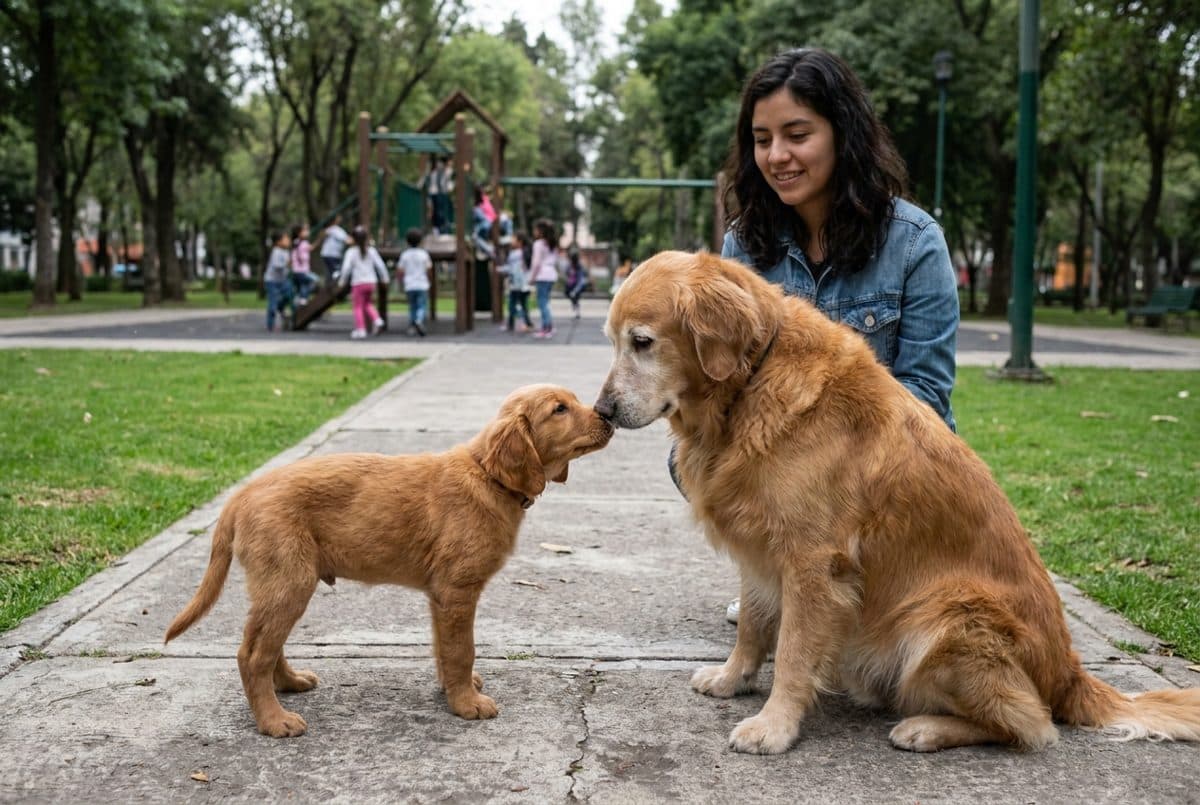
Puppies can safely explore outside before full vaccination by being carried, visiting clean indoor locations, or meeting vaccinated dogs in private settings.
Keep your puppy away from dog parks and public grassy areas visited by unknown dogs until your veterinarian confirms the vaccine series is complete.
Arrange play sessions in private spaces with healthy, fully vaccinated dogs belonging to friends or family.
[S15]This is general guidance. Always ask your vet.
Checked against sources; veterinary review pending. Information checked on September 26, 2026. Updated on September 26, 2026.
Written with AI help from the cited sources. A second model checked every fact against them.
Sources
- S2 AAHA Canine Vaccination Guidelines Certificate Course - AAHA
- S3 Vaccination Guidelines - WSAVA
- S12 Housetraining for Puppies and Dogs | VCA Animal Hospitals
- S13 Behavior Problems of Dogs - Behavior - Merck Veterinary Manual
- S15 Socializing your puppy | American Veterinary Medical Association
- S16 Literature review on the welfare implications of socialization of puppies and kittens | AVMA