
Spaying or neutering supports long-term health and prevents unplanned litters. Preparing specific questions for your veterinary consultation ensures safe surgery and a quick recovery.
This is general guidance. Always ask your vet.
What questions should I ask my vet before spaying or neutering?
Ask your vet about the right surgical timing, pre-operative blood testing, anesthesia safety, pain management, and incision care for your pet.
Your veterinarian evaluates your pet's species, breed, sex, expected adult weight, and living environment to recommend the best surgical schedule. Pre-anesthetic blood work and a physical exam confirm healthy liver and kidney function before receiving anesthesia.
During the procedure, veterinary staff support blood pressure with an intravenous catheter, protect the airway with an endotracheal tube, and track heart rate and oxygen levels. Inquire about pain relief medications given at the clinic and prescribed for home recovery.
- Ask what surgical age matches your pet's specific breed, sex, and projected adult size.
- Confirm if pre-surgical blood tests and a physical exam will check organ function.
- Ask about anesthesia safety measures, including intravenous fluids, airway tubes, and vitals monitoring.
- Request details on surgical pain relief and take-home medications for recovery.
- Check whether your pet needs internal absorbable sutures or external stitches removed after 10 to 14 days.
- Ask which recovery collar or protective suit best keeps your pet from licking the incision.
What are the health benefits of spaying and neutering?
Sterilization protects dogs and cats against reproductive cancers, uterine infections, territorial marking, and roaming injuries.
Spaying female dogs before their first heat cycle drops their lifetime mammary cancer risk under 0.5%. Mammary tumors present as malignant in roughly 50% of female dogs and 90% of female cats. Complete removal of the ovaries and uterus eliminates pyometra, a life-threatening bacterial uterine infection driven by reproductive hormones.
Castration eliminates testicular cancer in male dogs. The procedure also lowers the occurrence of benign prostatic hyperplasia, prostatitis, perianal tumors, and perianal hernias. Neutering diminishes the hormonal drive to roam, which lowers the likelihood of street fights and vehicle accidents. It also decreases urine spraying and indoor marking.
[S3][S4][S5][S6]At what age should I spay or neuter my cat?
Veterinary organizations recommend sterilizing cats before five months of age to prevent early pregnancies and reproductive cycles.
Female cats reach sexual maturity and reproduce as early as four months of age. Breeding season heat cycles recur every three weeks for four to five days, causing loud yowling and frequent urination.
Major veterinary groups endorse the Feline Fix by Five initiative to spay and neuter kittens prior to five months. Pediatric surgeries between 6 and 14 weeks show safety with low complication rates. Clinics often book this surgery two to three weeks after kittens finish their core vaccine schedule.
[S2][S5][S6]How does my dog's breed affect the timing for spaying or neutering?
Dog breed and adult size guide the best sterilization timing for joint and bone health.
A long-term study across 35 dog breeds shows that neutering age keeps joint and cancer risks unchanged for most breeds. Small breeds like Chihuahuas, Dachshunds, Pomeranians, Toy Poodles, Pugs, and Yorkshire Terriers show stable joint health across all surgical ages.
In Golden Retrievers, neutering before 12 months increases joint disorder rates two to four times. Female Golden Retrievers spayed at any age show higher rates of specific cancers. Male Labradors neutered before 6 months and females spayed before 12 months show doubled joint risks. In German Shepherds, neutering before 12 months elevates joint disorders and urinary incontinence.
Early removal of sex hormones keeps long-bone growth plates open longer, changing adult joint alignment. The Humane Society recommends neutering small, medium, and large dogs before 5 months, reserving delays to 12 or 15 months for giant breeds. The UC Davis study advises delaying sterilization past 12 to 24 months for several large breeds.
[S1][S6]How do I take care of my pet after spaying or neutering?
Provide a quiet indoor resting space, restrict physical activity for 5 to 10 days, and protect the surgical wound from licking.
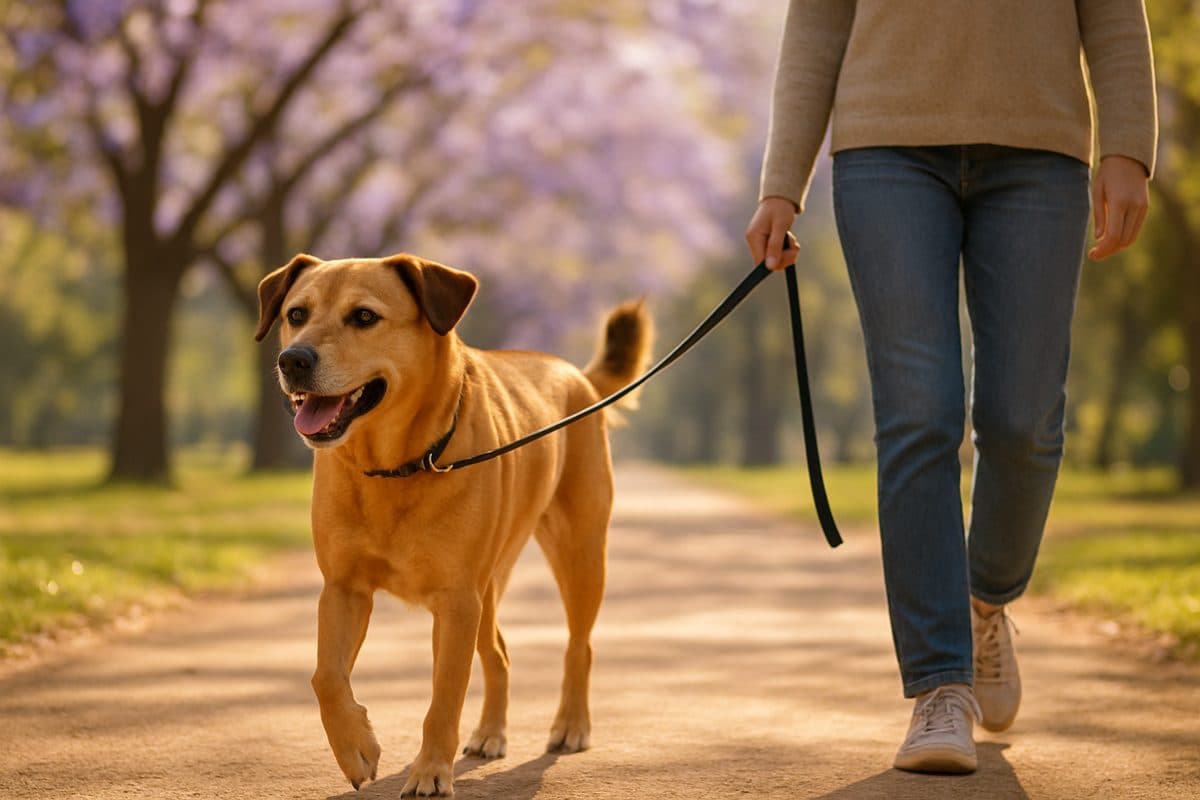
Keep your pet in a warm, clean, quiet room separated from other household pets. Limit activity for 5 to 10 days to allow internal and external tissues to heal securely. Walk dogs exclusively on a short leash for quick elimination breaks.
Keep the incision completely dry for at least 10 days by withholding baths and swimming. Use an Elizabethan cone, inflatable collar, or surgical suit to prevent licking and chewing at the wound site.
- Set up an isolated, clean, warm indoor resting spot away from other animals.
- Restrict running, jumping, and rough play for 5 to 10 days.
- Walk dogs on a short leash solely for quick bathroom breaks.
- Keep the surgical site dry and pause all baths and swimming for at least 10 days.
- Fit an Elizabethan collar or recovery suit to block licking.
- Inspect the surgical incision daily for swelling, redness, or discharge.
Why do pets gain weight after being spayed or neutered?
Sterilization lowers your pet's daily calorie requirements, so you must manage food portions and ensure regular exercise.
Surgical sterilization decreases your pet's basal metabolic rate. Daily caloric needs decline following the operation.
Weight gain develops when daily feeding amounts exceed your pet's reduced energy needs. Adjust food portions according to your veterinarian's guidance and maintain active daily play and walks.
[S3][S4][S5][S6]How do public sterilization campaigns work in Mexico?
Mexican public health agencies run free sterilization drives under national health standards to control animal overpopulation and rabies risks.
Official standard NOM-011-SSA2-2011 and CENAPRECE direct municipal and state agencies to organize free spay and neuter clinics. These government programs completed 4.8 million surgical sterilizations in dogs and cats between 2000 and 2016.
Public campaigns require pets to fast from solid food for 8 hours before surgery. Fasting protects pets from aspiration pneumonia during general anesthesia.
[S4][S8]When should you go to the vet right away?
- Incision redness, swelling, or open wound edges
- Fluid, blood, or pus discharging from the surgical site
- Persistent vomiting or diarrhea following surgery
- Severe lethargy or weakness
This is general guidance. Always ask your vet.
Checked against sources; veterinary review pending. Information checked on September 26, 2026. Updated on September 28, 2026.
Written with AI help from the cited sources. A second model checked every fact against them.
Sources
- S1 Assisting Decision-Making on Age of Neutering for 35 Breeds of Dogs: Associated Joint Disorders, Cancers, and Urinary Incontinence - PMC
- S2 Fix by Five – an ethical responsibility? - PMC
- S3 Spaying in Dogs | VCA Animal Hospitals
- S4 Neutering in Dogs | VCA Animal Hospitals
- S5 Spay/Neuter Your Pet | ASPCA
- S6 Why and When You Should Spay or Neuter Your Pet
- S8 Esterilización Quirúrgica de Perros y Gatos | Centro Nacional de Prevención y Control de Enfermedades | Gobierno | gob.mx