Young kittens develop rapidly during their first weeks and months at home. You support their health and behavior through veterinary care, balanced food, and safe daily habits.
This is general guidance. Always ask your vet.
When should kittens be tested for FeLV and FIV?
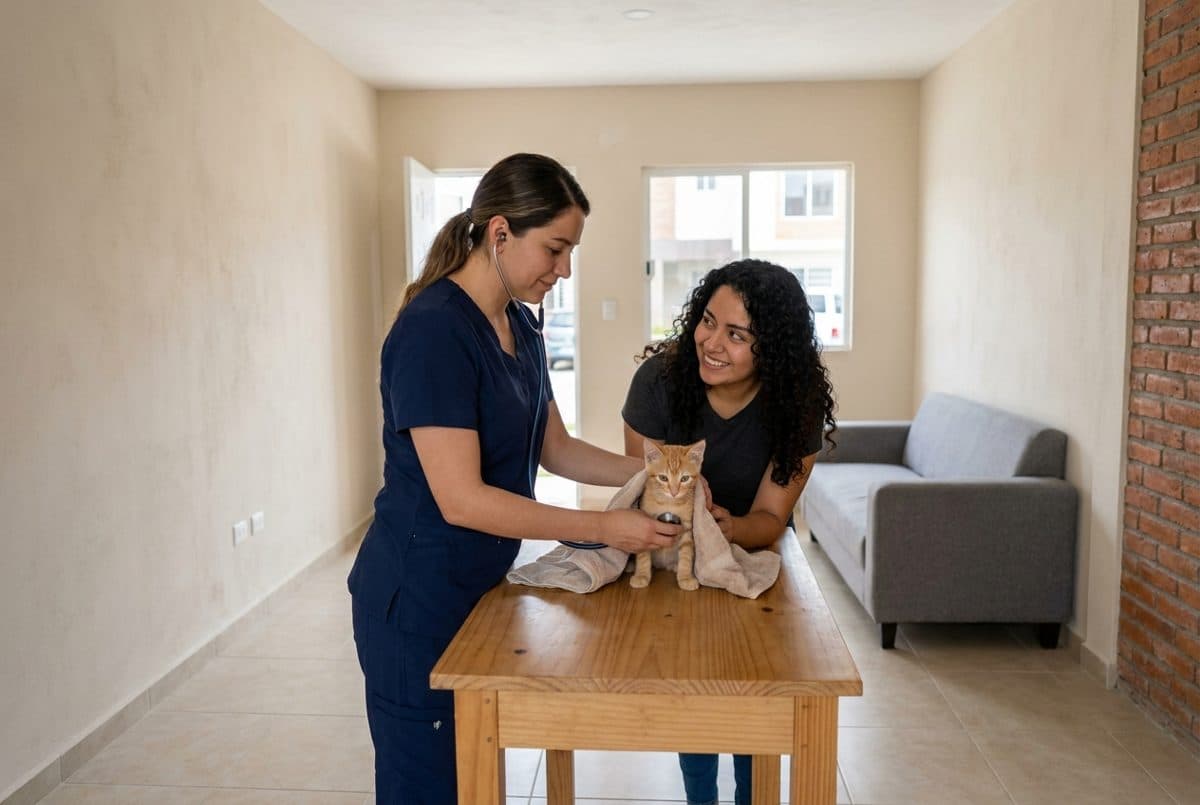
Your veterinarian screens kittens for FeLV and FIV with blood tests during initial visits and confirms results with follow-up testing.
In-clinic ELISA blood tests detect circulating P27 viral protein antigen for FeLV. A positive FeLV screening test requires confirmation through PCR testing, IFA testing, or a repeat test 6 to 12 weeks later to identify progressive or regressive infection. Retest kittens 3 to 6 weeks after any potential FeLV exposure to prevent false negative results.
FIV blood tests detect circulating antibodies against the virus. Nursing kittens can carry maternal antibodies from an infected mother, producing false positive results for months. Kittens under 6 months of age with a positive antibody test require retesting every 60 days until 6 months of age. The body produces detectable antibodies 2 to 6 months after infection, so retest at least 60 days after potential exposure.
[S2][S3]What should you feed a growing kitten and how often?
Feed your growing kitten commercial food formulated for growth or all life stages divided into 3 to 4 meals daily.
Kittens fully wean from mother's milk by 8 weeks of age. They reach approximately 80% of their adult body size at 30 weeks and finish skeletal growth around 40 weeks. Select commercial kitten foods displaying an AAFCO nutritional adequacy statement for growth or all life stages.
Serve daily food portions across 3 to 4 small meals to support healthy body condition. Keep the kitten's urinary pH at or above 6.2 through proper diet. Complete commercial kitten foods provide balanced nutrients, so add vitamin or mineral supplements only with direct veterinary oversight.
[S8]How do you socialize a young kitten?
You socialize a kitten between 2 and 7 weeks of age by providing daily gentle handling from multiple people and introducing household sights and sounds.
The sensitive socialization window occurs between 2 and 7 weeks of age. Gentle human handling for 30 to 60 minutes total each day, divided into short sessions, builds confidence and friendly approach behavior. Kittens handled by 4 to 5 different people before 7 weeks develop strong social comfort around unfamiliar humans.
During this window, accustom your kitten to physical checks and common home surroundings to prevent adult anxiety.
- Lift, examine, and lightly restrain your kitten during short handling sessions.
- Introduce your kitten to 4 to 5 different people before 7 weeks of age.
- Expose your kitten gradually to pet carriers, household appliances, and different floor textures.
How do you set up and clean a kitten litter box?
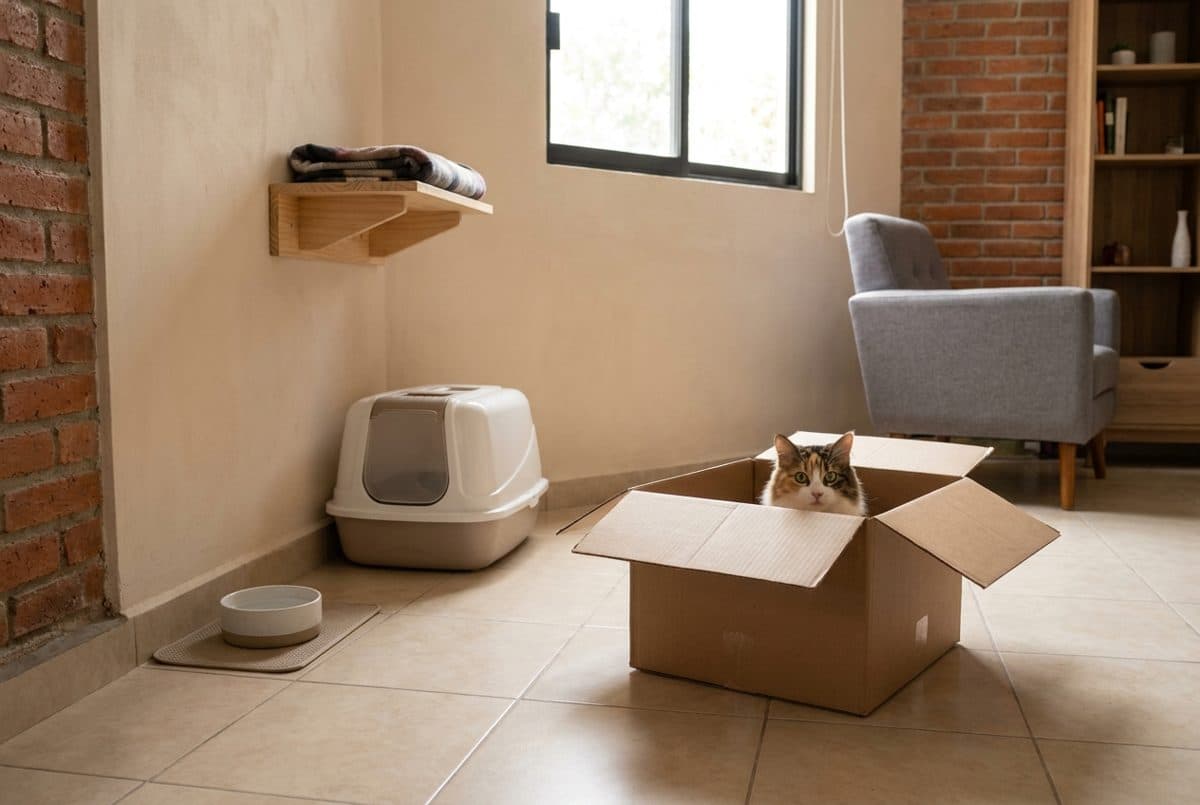
Set up one litter box per cat plus one extra box with at least 3 cm of fine-grained unscented litter, and scoop it twice daily.
Kittens prefer fine-grained, unscented litter with a sand texture. Fill the tray to a minimum depth of 3 cm so your kitten can dig and cover waste naturally. Keep the tray bare of plastic liners because claws snag in the film and disrupt toileting.
Wash clumping litter trays at least once weekly, and wash non-clumping trays every 2 days. Avoid cleaning products containing phenols that turn cloudy in water, as phenols poison cats.
- Provide one litter box per cat plus one extra box in the home.
- Fill each box with at least 3 cm of fine-grained, unscented sand-like litter.
- Scoop solid waste and urine clumps at least 2 times daily.
- Wash boxes weekly for clumping litter or every 2 days for non-clumping litter using phenol-free cleaners.
What kind of scratching post does a kitten need?
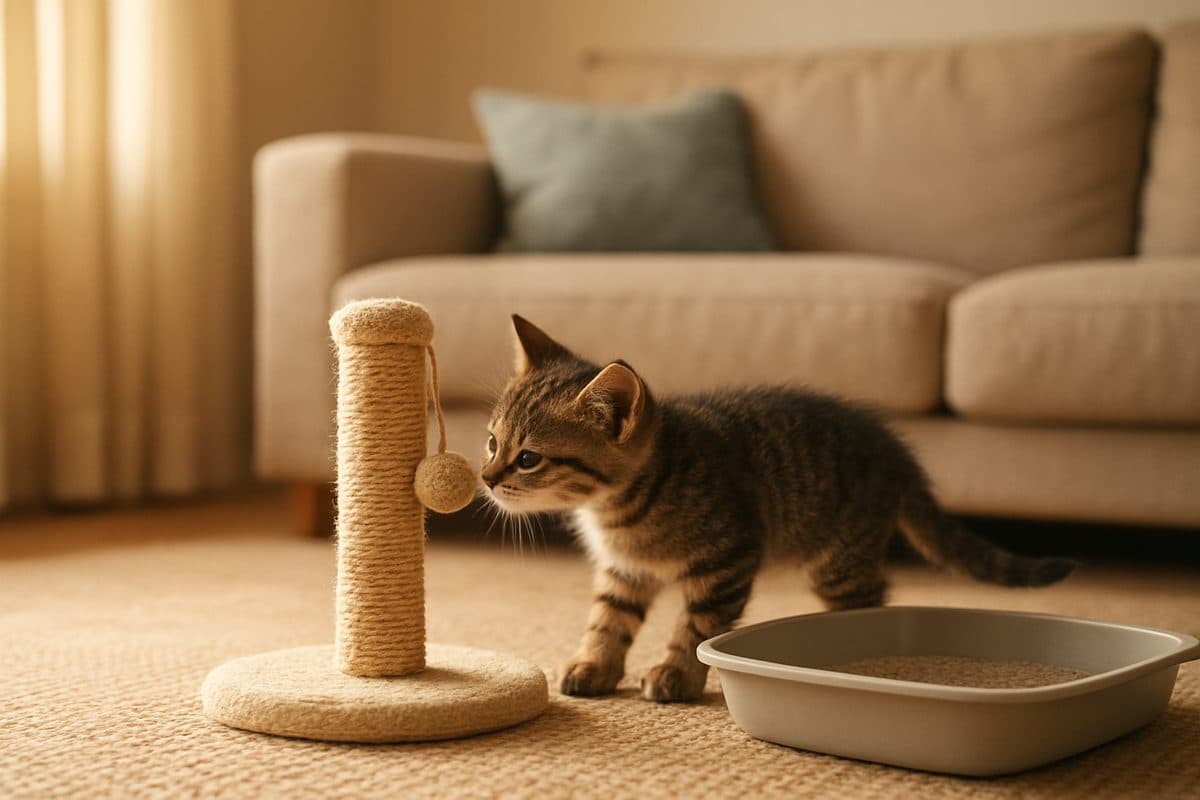
Kittens need scratching posts that equal or exceed their fully stretched body length, with one post per cat plus one extra in separate areas.
Kittens begin natural scratching behavior around 5 weeks of age. Scratching sheds the outer keratin husk from their claws and deposits scent through interdigital glands between their paw pads.
Choose vertical scratching posts that equal or exceed your kitten's body length when standing fully stretched on its hind legs. Kittens frequently favor horizontal or inclined corrugated cardboard scratchers due to their low resistance. In homes with multiple cats, place one scratching post per cat plus one additional post across separate living zones.
[S7]At what age should you spay or neuter your kitten?
Veterinarians sterilize kittens as early as 8 weeks in shelter protocols or around 6 months in traditional pet practice.
Female cats enter puberty around 7 months of age and cycle into estrus every 2 to 3 weeks during breeding season. Traditional pet practice schedules spaying at 6 months of age, while shelter medicine protocols safely perform sterilization as early as 8 weeks.
Surgical spaying through ovariohysterectomy or ovariectomy eliminates the risk of pyometra, a life-threatening uterine infection. Spaying before the first heat cycle reduces your cat's lifetime risk of mammary breast cancer to under 0.5%.
[S9]This is general guidance. Always ask your vet.
Checked against sources; veterinary review pending. Information checked on September 26, 2026. Updated on September 26, 2026.
Written with AI help from the cited sources. A second model checked every fact against them.
Sources
- S2 Feline Leukemia Virus | Cornell University College of Veterinary Medicine
- S3 Feline Immunodeficiency Virus (FIV) | Cornell University College of Veterinary Medicine
- S5 Bringing up a litter of kittens: behavioural considerations - International Cat Care
- S6 Soiling indoors - International Cat Care
- S7 Scratching on furniture and carpets - International Cat Care
- S8 Feeding Growing Kittens | VCA Animal Hospitals
- S9 Spaying in Cats | VCA Animal Hospitals