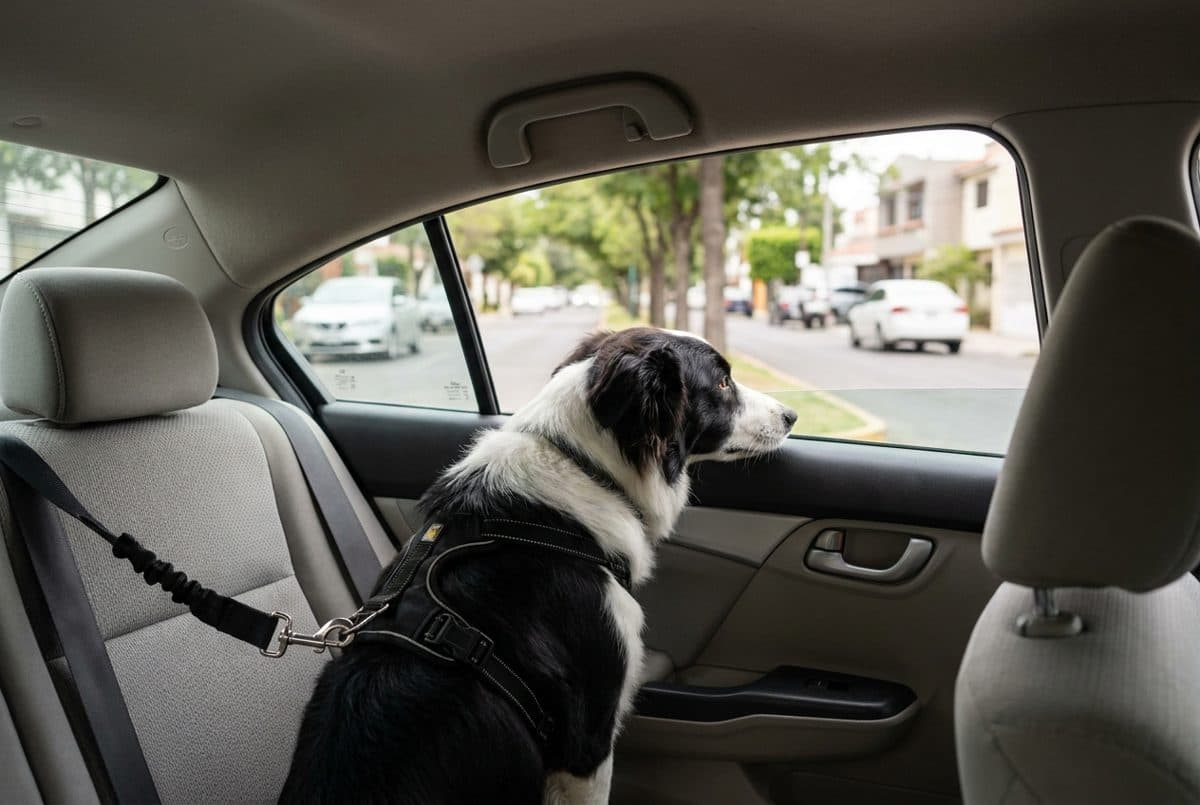
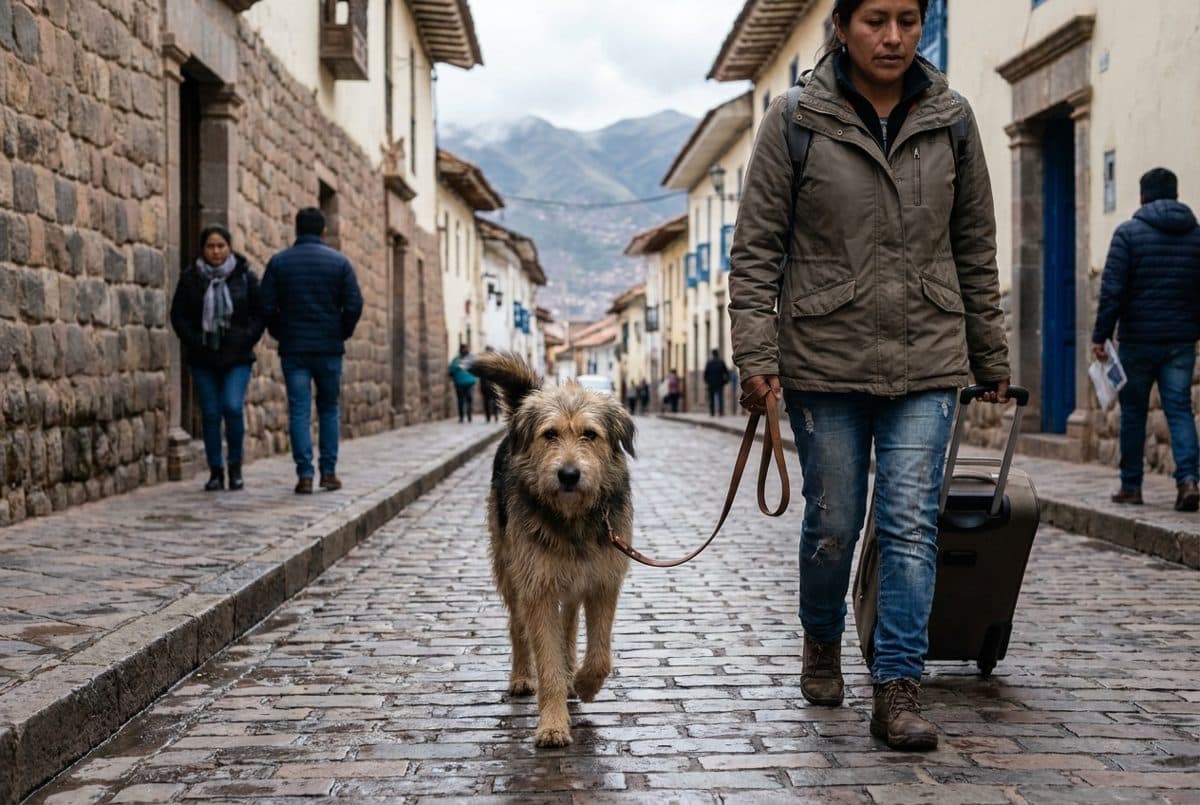
The National Agricultural Health Service (SENASA) regulates pet entry into Peru to protect animal health. Preparing your veterinary paperwork and scheduling treatments within official timelines ensures a smooth arrival.
This is general guidance. Always ask your vet.
What official documents does your pet need to enter Peru?
You must present an original export health certificate issued by your home country's veterinary authority and a completed SENASA entry application form.
The National Agricultural Health Service (SENASA), an agency of Peru's Ministry of Agrarian Development and Irrigation (MIDAGRI), sets all pet entry rules. You must obtain an original International Export Health Certificate issued or endorsed by the official veterinary authority of your origin country.
SENASA accepts this official certificate directly, exempting travelers from consular authentication and apostille stamps. SENASA also exempts accompanied dogs and cats traveling with their owners from a prior Import Sanitary Permit.
You must submit the official entry application form CA-02/03 upon arrival in Peru.
- Obtain an original International Export Health Certificate endorsed by your national veterinary authority.
- Complete the official SENASA entry application form CA-02/03.
- Carry both documents for physical review at the Peruvian border.
What vaccinations does Peru require for dogs and cats?
Dogs must have valid vaccinations against distemper, parvovirus, hepatitis, leptospirosis, and rabies, while cats require vaccinations against feline panleukopenia and rabies.
SENASA mandates rabies vaccination for all dogs and cats starting at 3 months of age.
The rabies vaccine must remain active during entry, falling within the manufacturer-certified immunity period of 1 year or 3 years.
- Schedule a veterinary visit to verify your pet's vaccination status.
- Ensure your dog receives vaccinations against distemper, parvovirus, hepatitis, leptospirosis, and rabies.
- Ensure your cat receives vaccinations against feline panleukopenia and rabies.
- Confirm that the rabies vaccination date matches the manufacturer immunity window.
When must your pet receive parasite treatments before entering Peru?
A licensed veterinarian must administer certified internal and external parasite treatments using authorized products before your trip to Peru.
Your private veterinarian selects and prescribes approved internal and external products authorized in your origin country.
SENASA official publications contain two different timing guidelines. The official entry guide specifies treatment within 15 days before travel, while SENASA press release 1150430 specifies treatment within 30 days before travel.
Scheduling veterinary treatment within 15 days of departure satisfies both published guidelines.
- Bring your pet to the veterinarian within 15 days of your travel date.
- Obtain certified treatments against internal and external parasites.
- Request that your veterinarian records the treatments on your pet's health documentation.
Does Peru require a microchip or a rabies titer test for entry?
SENASA exempts entering dogs and cats from electronic microchip implantation and rabies serology titer tests.
SENASA permits pets to enter Peru based solely on health certificates and vaccination records.
If you choose to microchip your pet for identification, select an ISO 11784 or ISO 11785 compliant microchip.
Rabies antibody titer tests apply when departing Peru to international destinations that mandate them, such as Spain and European Union member states.
[S1][S2][S4][S6][S9]What happens during the SENASA veterinary inspection upon arrival in Peru?
SENASA veterinary inspectors conduct an in-person physical clinical examination of your pet at the port of entry and collect a fee of S/ 98.60.
At Jorge Chávez International Airport in Lima, SENASA inspection services operate 24 hours a day, 7 days a week, throughout the year.
Inspectors check your pet to verify the absence of infectious, contagious, and parasitic conditions.
Missing or irregular documents result in an official Aviso de Incumplimiento and an Acta de Internamiento. For minor paperwork issues, SENASA authorizes a 15-day domestic quarantine while a local collegiate veterinarian regularizes the files.
SENASA orders retention or mandatory re-embarkation to the origin country at your expense if a pet presents severe sanitary risks or fraudulent documentation.
- Proceed to the SENASA inspection office upon landing at Jorge Chávez International Airport.
- Present your original export health certificate and entry application form CA-02/03.
- Pay the official entry inspection fee of S/ 98.60 per pet.
- Complete the physical clinical examination with the SENASA veterinary inspector.
How do you obtain a SENASA export health certificate to leave Peru?
You must request an Export Health Certificate from SENASA at least 72 hours before departing Peru.
SENASA issues the official Export Health Certificate (Certificado Sanitario de Exportación - CSE) through its digital platform Viaja con tu mascota (viajacontumascota.senasa.gob.pe).
A private collegiate veterinarian in Peru must first issue health and vaccination certificates on official formats from the Peruvian Veterinary Medical College (CMVP).
The digital platform lists an export fee of S/ 91.10, while physical TUPA guidelines list S/ 97.20.
Pets departing Peru with a SENASA export certificate that return within 30 days of the travel date use that original certificate for reentry.
- Schedule an exam with a Peruvian collegiate veterinarian to receive health records on official CMVP formats.
- Submit your application on the Viaja con tu mascota digital platform at least 72 hours before your flight.
- Pay the SENASA export fee.
- Collect the official Export Health Certificate for international departure.
What rules apply when taking a dog or cat from Peru to the United States?
The CDC requires all dogs arriving from Peru to be at least 6 months old, carry an ISO-compatible microchip, and have a valid CDC Dog Import Form receipt.
The United States Centers for Disease Control and Prevention (CDC) classifies Peru as a high-risk country for canine rabies. Your dog must receive its ISO-compatible microchip before getting the qualifying rabies vaccination.
Dogs vaccinated in the United States must show a Certification of U.S.-issued Rabies Vaccination form endorsed by the USDA prior to departure from the United States.
Dogs vaccinated in Peru must arrive at a designated port of entry, pass a valid rabies titer test, and hold a confirmed reservation at a CDC-registered animal care facility.
The CDC admits cats that appear healthy, exempting them from rabies vaccination certificates and import permits.
- Confirm your dog is at least 6 months old and has an ISO-compatible microchip.
- Submit the online CDC Dog Import Form to obtain your travel receipt.
- Carry the USDA-endorsed rabies certificate for US-vaccinated dogs, or the CDC animal care facility reservation and titer test for Peru-vaccinated dogs.
What airline crate requirements apply when flying with a pet to Peru?
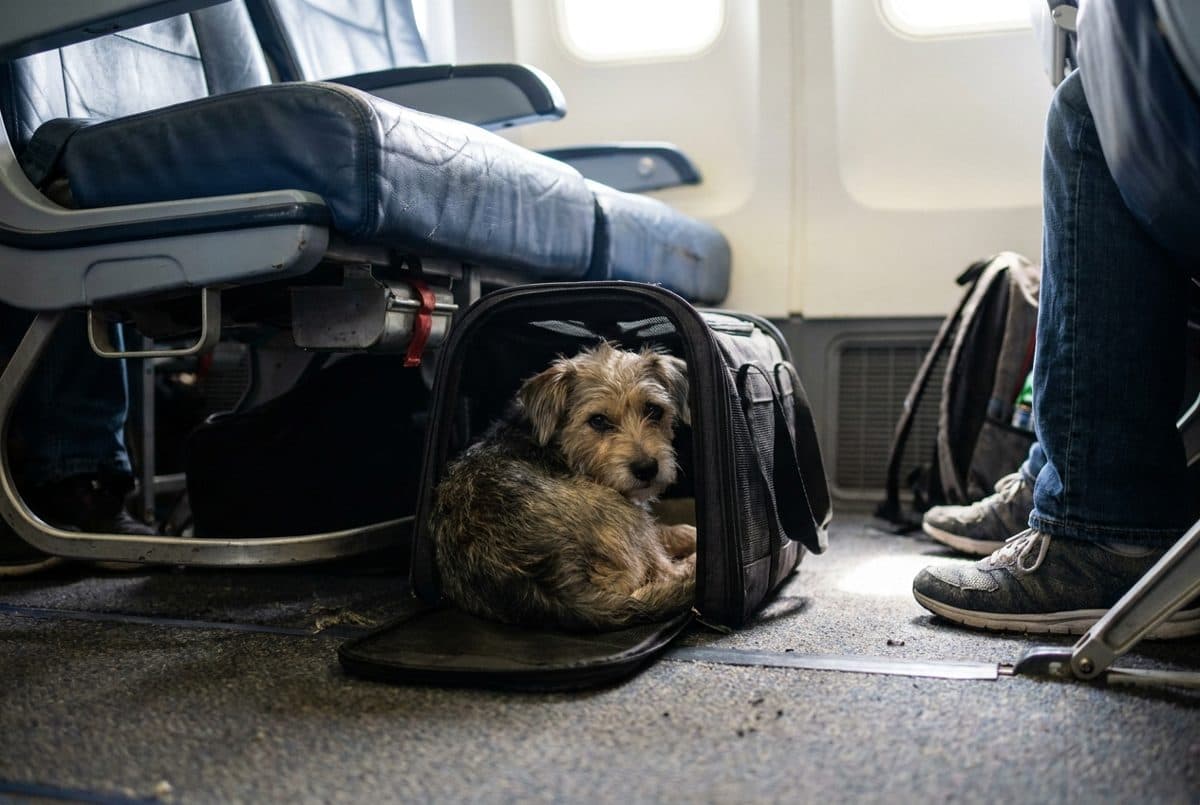
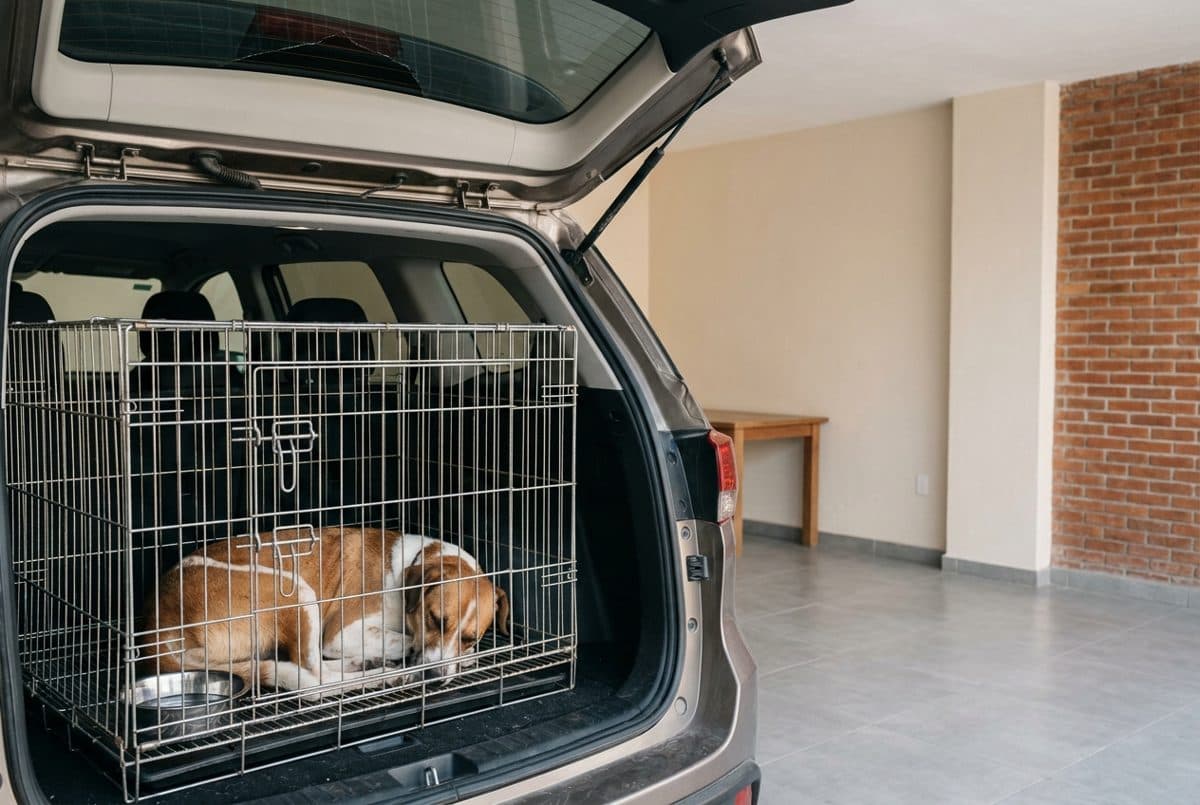
Airlines follow IATA Live Animals Regulations requiring secure, ventilated kennels that allow pets to stand, turn, and lie down naturally.
The International Air Transport Association (IATA) establishes container standards under its Live Animals Regulations (LAR).
The carrier must feature escape-proof construction, leak-proof flooring, and sufficient ventilation openings for the flight.
- Choose an airline-approved kennel built to IATA Live Animals Regulations specifications.
- Confirm that your pet can stand upright, turn around completely, and lie down comfortably inside.
- Verify that the crate latches securely and includes absorbent, leak-proof bedding.
This is general guidance. Always ask your vet.
Checked against sources; veterinary review pending. Information checked on September 30, 2026. Updated on September 30, 2026.
Written with AI help from the cited sources. A second model checked every fact against them.
Sources
- S1 Viaja con tu mascota - Campañas - Servicio Nacional de Sanidad Agraria del Perú - Plataforma del Estado Peruano
- S2 ¿Vas a ingresar al país con tu mascota? - Guía Oficial SENASA Perú
- S3 ¿Vas a viajar con tu mascota al extranjero? - Guía Oficial SENASA Perú
- S4 MIDAGRI: Lo que debes saber para salir o ingresar del país con tus perros y gatos - Noticias - Servicio Nacional de Sanidad Agraria del Perú - Plataforma del Estado Peruano
- S5 Viajar con tu mascota es más fácil y seguro gracias a la nueva plataforma digital de SENASA - Noticias - Servicio Nacional de Sanidad Agraria del Perú - Plataforma del Estado Peruano
- S6 ¿Viajarás con tu mascota en Fiestas Patrias? MIDAGRI te orienta para trasladarla dentro y fuera del país - Noticias - Servicio Nacional de Sanidad Agraria del Perú - Plataforma del Estado Peruano
- S7 High-Risk Countries for Dog Rabies | Importation | CDC
- S8 Bringing a Dog into the U.S. | Importation | CDC
- S9 Entry Requirements for U.S.-Vaccinated Dogs from High-Risk Countries | Importation | CDC
- S10 Bringing an Animal into the U.S. | Importation | CDC
- S11 IATA - Traveler's Pet Corner