Safe car travel requires proper restraint and a consistent schedule for hydration, feeding, and bathroom breaks. Preparing your vehicle and supplies in advance protects your dog or cat throughout the trip.
This is general guidance. Always ask your vet.
How should you secure your pet in a car?
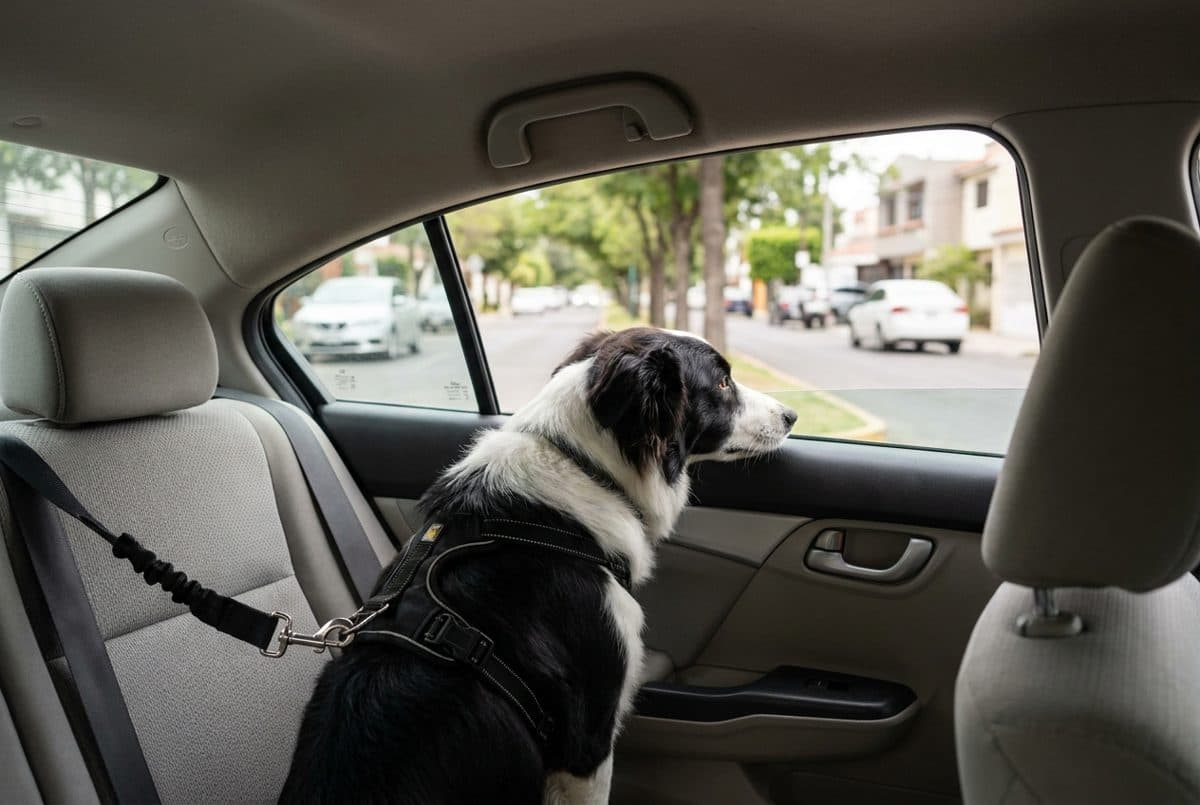
Secure your pet inside an anchored carrier or with a safety harness connected to the rear seat belt buckle.
Animals roaming free inside a car distract the driver and turn into hazardous flying objects during sudden stops or collisions. Dogs and cats must never sit loose in the cabin or ride on your lap while driving.
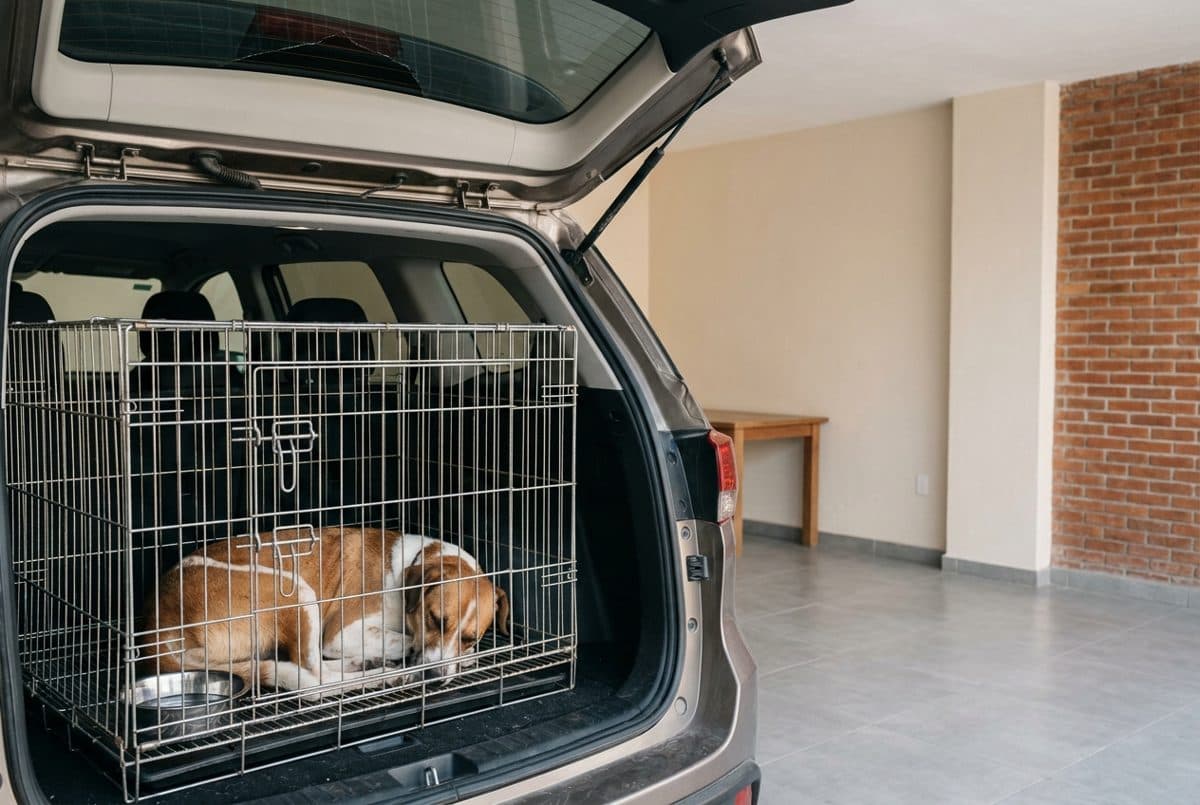
Confining your pet within a sturdy, securely anchored crate provides the safest travel method. Crates must provide adequate clearance for your animal to stand at full height, sit upright, turn around, and lie down comfortably.
Keep cats and small pets inside their carrier for the full duration of the journey. Position carriers on the vehicle floor directly behind the driver seat or front passenger seat. Fasten seat belts around carriers only if the carrier holds crash-test certification, because seat belts can crush non-certified carriers in an accident.
Keep pets out of the front passenger seat, because deploying airbags cause severe impact injuries even to pets inside crates. Never transport animals loose in an open pickup truck bed; confine them inside an anchored carrier if they ride in the back of a truck.
Drape a light towel or blanket over a cat carrier to block external visual stimuli and reduce travel stress.
[S1][S2][S3][S4][S5][S7]Can dogs put their heads out of open car windows?
Keep car windows closed enough to stop your pet from extending its head outside.
Airborne dirt, gravel, and flying insects can strike your pet and cause severe eye injuries.
Excited dogs face a serious risk of falling or jumping out of moving vehicles through open windows.
Activate window child locks so animals cannot step on power switches with their paws to open or close windows.
[S1][S2][S3][S4][S5]When should you feed your pet before a road trip?
Feed your pet a light meal hours before departure or withhold food to prevent motion sickness and vomiting.
Feeding a full meal inside a moving vehicle causes nausea and vomiting. Bring your pet standard dry kibble to keep feeding routines consistent throughout the trip.
The ASPCA recommends feeding pets a light meal three to four hours prior to departure.
VCA Animal Hospitals recommends withholding breakfast completely on the day of departure so the pet travels on an empty stomach to prevent vomiting. Provide a small meal after arriving at your destination in the evening.
[S1][S3][S4]How should you give water to your pet during a car trip?
Offer bottled water or tap water brought from home at rest stops every two hours.
Sudden changes in mineral levels from unfamiliar tap water can cause digestive upset or loose stools. Bring tap water from your own home or purchase bottled drinking water.
The Merck Veterinary Manual advises offering fresh water to traveling pets every two hours at safe stops.
Remove open water bowls while the car is moving to prevent spills.
[S1][S3][S4][S5]How often should you stop on a road trip with a pet?
Plan rest stops every two hours to allow your pet to drink, stretch, and relieve itself.
The Merck Veterinary Manual advises taking a rest break every two hours to offer water and allow pets to eliminate. Texas A&M School of Veterinary Medicine also recommends stopping every couple of hours to let pets stretch, drink, and relieve themselves.
For cats traveling long distances, place a small portable litter box inside an expanded kennel or provide access to the litter pan during stops.
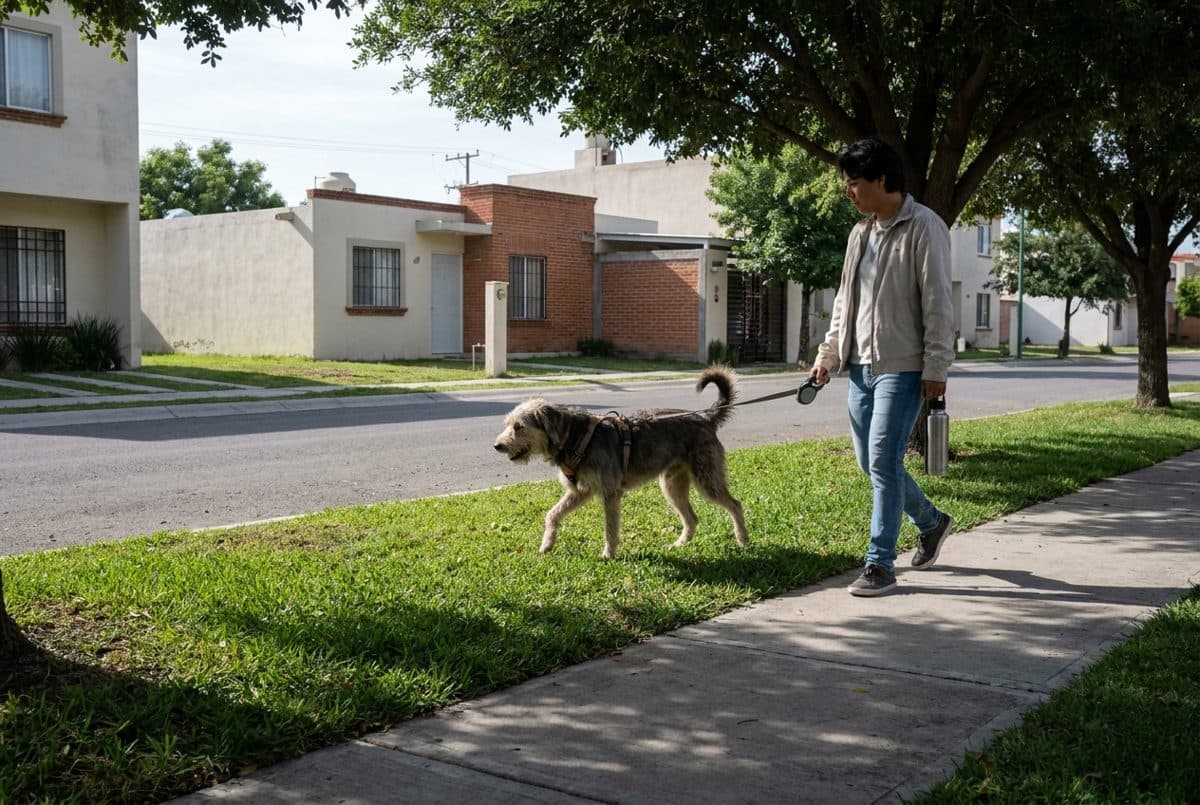
- Attach a leash to your pet collar or harness before opening vehicle doors to prevent escapes.
- Fit dogs with a martingale collar to stop them from backing out of their collar near traffic.
- Walk your pet in a safe roadside area for exercise and elimination.
- Provide fresh drinking water before securing your pet back in the vehicle.
Can you leave your pet in a parked car?
Never leave an animal alone inside a parked vehicle under any circumstances.
The temperature inside a parked vehicle can increase by 20°F (11.1°C) in ten minutes and rise by 50°F (27.8°C) within one hour. Trapped vehicle interiors can reach 120°F (48.9°C) in minutes and climb toward 150°F (65.6°C) within one hour.
The Humane Society notes that with an outside temperature of 72°F (22.2°C), car interiors reach 116°F (46.7°C) within one hour. On an 85°F (29.4°C) day, vehicle temperatures climb to 102°F (38.9°C) in ten minutes and reach 120°F (48.9°C) in thirty minutes.
Cracking the windows provides negligible cooling and does not slow dangerous heat buildup. Trapped animals exposed to heatstroke suffer irreversible organ damage or death in as little as thirty minutes.
[S1][S2][S3][S4][S8]What should you pack for a road trip with your pet?
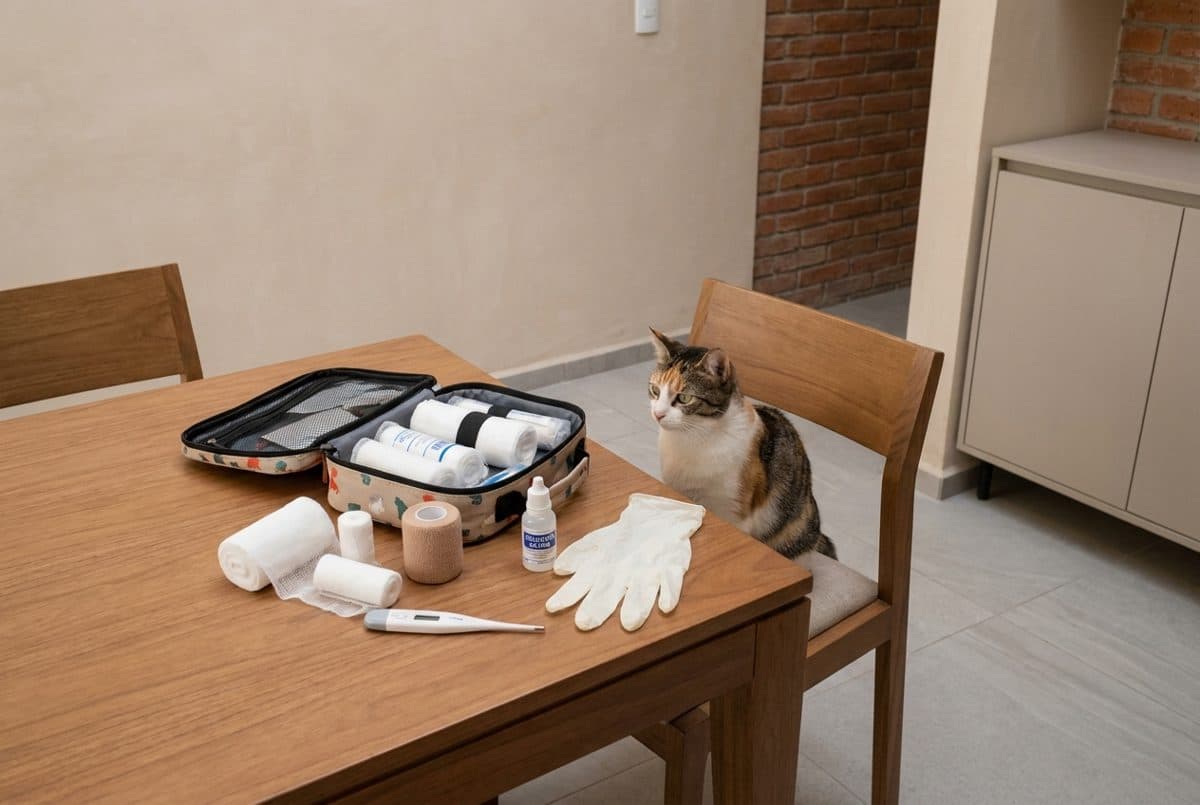
Pack medical records, food and water dishes, sanitation supplies, familiar bedding, and a pet first-aid kit.
Bringing familiar blankets, bedding, or a favorite toy comforts pets through recognizable scents from home.
Absorbent pads placed at the base of the carrier soak up accidental messes during the drive.
- Pack veterinary records, rabies vaccination certificates, recent lab work, and prescribed medications.
- Pack unbreakable dishes for food and water.
- Pack a waste scoop and plastic cleanup bags.
- Line the carrier with absorbent potty pads.
- Pack a pet-specific first-aid kit to manage travel emergencies.
How should you identify your pet during travel?
Equip your pet with a collar ID tag, a temporary destination tag, and an updated microchip.
Unfamiliar rest stops present high escape risks for disoriented pets.
Keep a snug collar or harness on your pet throughout the journey displaying an ID tag with your phone number.
A permanent microchip with current registry information provides vital backup identification if the collar slips off.
- Fasten a snug collar or harness with an ID tag showing your active phone number.
- Attach a temporary travel tag showing your destination address and local contact number.
- Verify that your contact details are up to date in the national microchip database.
This is general guidance. Always ask your vet.
Checked against sources; veterinary review pending. Information checked on September 30, 2026. Updated on September 30, 2026.
Written with AI help from the cited sources. A second model checked every fact against them.
Sources
- S1 Travel Safety Tips | ASPCA
- S2 Travel safely with your pet | Humane World for Animals
- S3 Traveling by Car With Pets - Special Pet Topics - Merck Veterinary Manual
- S4 Road Trips and Car Travel With Your Dog | VCA Animal Hospitals
- S5 Holiday Travel With Pets Part 1: Secrets To A Stress-Free Road Trip
- S6 Road Trips and Car Travel With Your Cat | VCA Animal Hospitals
- S7 2025 Transportation of Cats in Motor Vehicles Position Statement - catvets.com
- S8 Look Before You Lock!