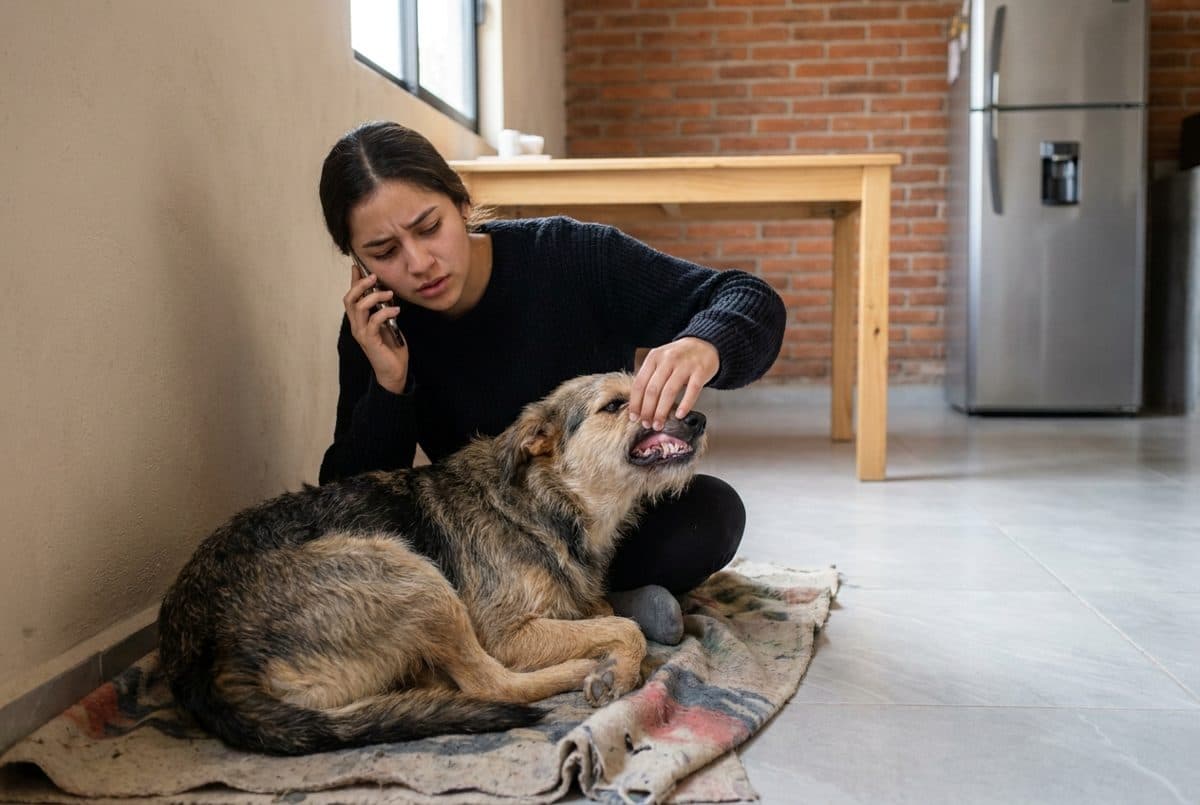
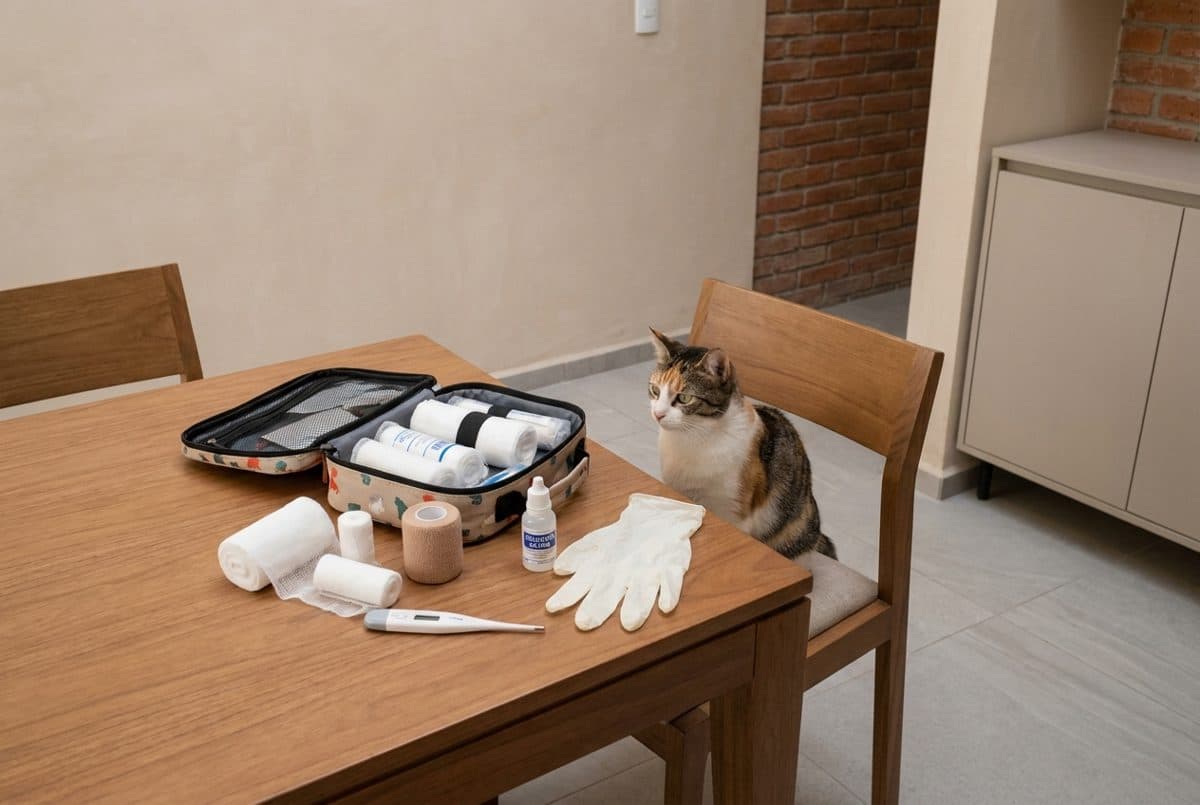
A well-equipped pet first aid kit gives you essential supplies to stabilize your dog or cat during an emergency. These supplies keep your pet safe and comfortable while you transport them to the veterinarian.
This is general guidance. Always ask your vet.
What should you do right now during a pet emergency?
Call your emergency veterinary clinic immediately and transport your pet to the hospital while providing basic stabilization on the way.
First aid stabilizes your pet to preserve life and reduce pain during transit. Every animal receiving first aid requires an immediate evaluation by a veterinary professional.
- Call your primary veterinarian or the nearest emergency animal hospital to announce your arrival.
- Follow the veterinary staff's instructions while you handle your pet.
- Transport your pet to the veterinary hospital immediately.
What bandages and dressings belong in a pet first aid kit?
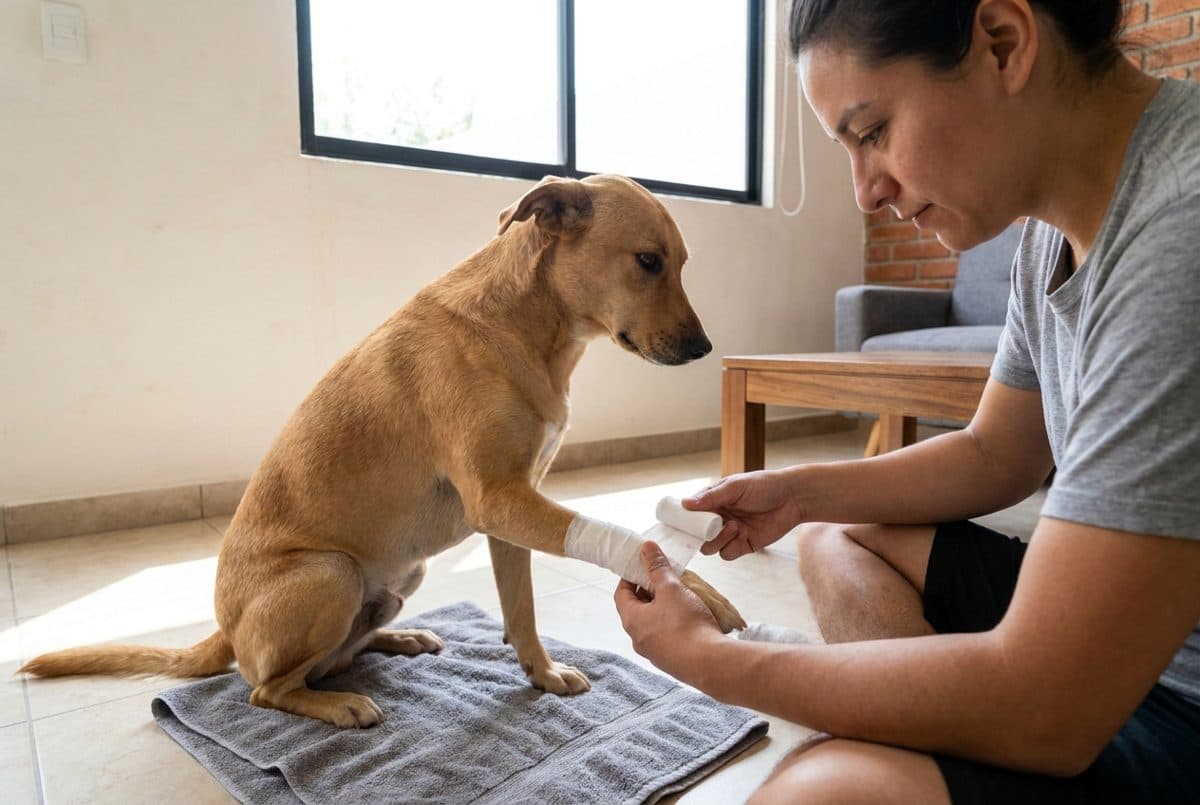
A pet first aid kit requires sterile gauze pads, roll gauze, non-stick dressings, self-adhesive elastic tape, and blunt-ended scissors.
Sterile gauze pads and roll gauze cover wounds and manage bleeding. Non-stick wound dressings protect delicate healing tissue.
Self-adhesive elastic tape secures the dressings without sticking to animal fur. Blunt-ended scissors trim bandage tape safely without cutting pet skin.
[S6][S10]How do you control external bleeding on an injured pet?
Apply firm, continuous direct pressure to the wound with a clean cloth or gauze to control blood loss.
Put on disposable examination gloves to protect wounds and your hands from contamination.
Bleeding paws require 5 to 10 minutes of manual pressure with gauze or a towel. Loosen pressure bandages for 20 seconds every 15 to 20 minutes to maintain blood flow to the tissue.
- Put on disposable vinyl or latex gloves.
- Place clean gauze or cloth directly over the bleeding wound.
- Hold firm, continuous pressure for at least 3 minutes, or 5 to 10 minutes for bleeding paws.
- Relieve pressure bandages for 20 seconds every 15 to 20 minutes during transit.
What tools do you need for wound cleaning and temperature checks?
Keep sterile saline solution, tweezers, a digital rectal thermometer, water-based lubricating jelly, and a working flashlight in your kit.
A digital rectal thermometer measures temperature safely without the hazard of shattering glass or toxic mercury. Normal body temperature for dogs and cats ranges between 100.0°F and 102.5°F (37.7°C and 39.2°C).
Use water-based lubricating jelly with the thermometer for safe insertion. Use tweezers for removing ticks and debris, and use a flashlight to inspect mouth cavities, pupils, and wounds.
[S3][S5][S6][S10][S11]How do you safely handle and transport an injured pet?
Use a muzzle, a thick towel, or a secure carrier to protect both yourself and your pet from injury during handling.
Pain and fear cause injured pets to bite or scratch handlers. A properly sized muzzle or a leash used as a makeshift muzzle prevents bites while handling an injured dog.
Wrapping an injured cat in a thick towel or blanket protects you from claws while keeping their airway clear. Transport cats and small dogs in a sturdy carrier with a removable top.
A rigid wooden board or a taut blanket held by two people serves as a stretcher to move large dogs without twisting the spine.
- Place a properly sized muzzle on an injured dog.
- Keep the muzzle off if your dog vomits, coughs, or has difficulty breathing.
- Wrap an injured cat in a thick towel to restrain their claws.
- Carry a large dog on a rigid wooden board or taut blanket stretcher.
What documents and safety items belong in the kit?
Store a waterproof emergency contact card, pet medical records, and a warming blanket inside your kit.
Include a foil emergency blanket or fleece blanket to keep injured pets warm and combat systemic shock. Keep warming blankets off pets suffering from heatstroke.
Store a waterproof card with phone numbers for your primary vet, the nearest 24-hour emergency clinic, and pet poison control. Include waterproof copies of vaccination records, microchip IDs, and medical histories.
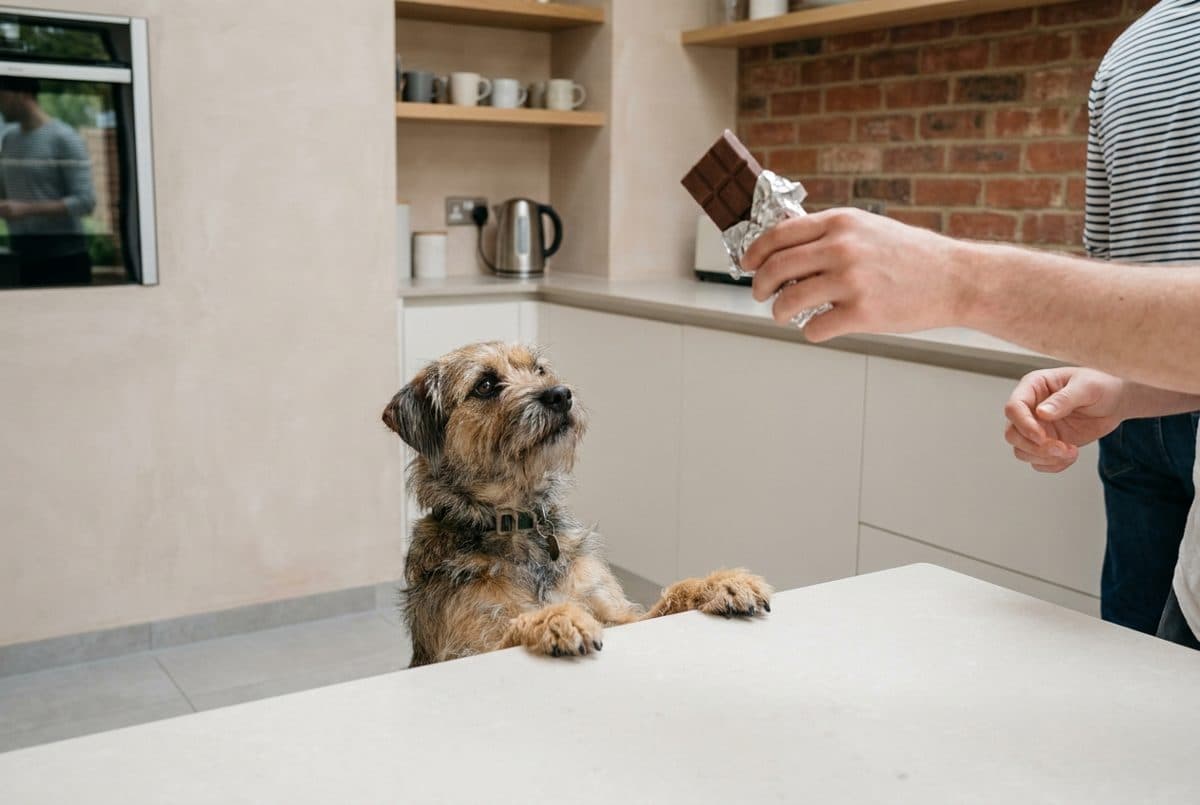
Human medications and over-the-counter pain relievers cause fatal poisonings in animals. Call your veterinarian or poison helpline before acting, as home antidotes and induced vomiting cause harm.
[S1][S2][S5][S6][S7][S10][S11][S12]How do you keep your pet first aid kit ready for emergencies?
Inspect your supplies periodically to replace expired items and keep an extra kit in your vehicle.
Periodic checks ensure sterile items, solutions, and batteries remain fresh and functional.
A compact second kit in your car provides emergency supplies during travel and outdoor activities. Enrolling in a pet first aid training course teaches you CPR, bleeding control, and vital sign checks.
[S6][S11]When should you go to the vet right away?
- Body temperature rising above 104.0°F (40.0°C) or dropping below 99.0°F (37.2°C)
- Breathing distress, coughing, or active vomiting
- Continuous or heavy external bleeding
- Suspected poisoning or ingestion of human medications
- Signs of heatstroke or systemic shock
- Inability to stand or walk after an injury
This is general guidance. Always ask your vet.
Checked against sources; veterinary review pending. Information checked on September 28, 2026. Updated on September 28, 2026.
Written with AI help from the cited sources. A second model checked every fact against them.
Sources
- S1 First Aid for Dogs | VCA Animal Hospitals
- S2 First Aid for Cats | VCA Animal Hospitals
- S3 Taking Your Pet's Temperature | VCA Animal Hospitals
- S4 First Aid for Bleeding in Dogs | VCA Animal Hospitals
- S5 Care of Open Wounds in Dogs | VCA Animal Hospitals
- S6 First Aid for pets - PDSA
- S7 First Aid For Your Dog - RSPCA - rspca.org.uk
- S10 Pet Emergency Plan and Disaster Preparedness
- S11 Disaster Preparedness | ASPCA
- S12 Did Your Cat Eat Something Poisonous | Pet Poison Helpline®