
International pet travel rules protect animal health and prevent the transmission of diseases across borders. National veterinary authorities enforce specific entry regulations that you must complete before departure.
This is general guidance. Always ask your vet.
What health certificate does your pet need for international travel?
Your pet needs an official export health certificate issued by an accredited veterinarian and endorsed by your national veterinary authority before departure.
Accredited veterinarians examine pets for infectious diseases and issue international export health certificates. National agencies such as USDA APHIS in the United States and CFIA in Canada require government endorsement prior to travel, prohibiting retroactive certification after departure.
Health certificate validity windows depend on destination rules, ranging from 5 calendar days under SENASICA guidelines to 10 or 30 days under other national regulations. You must carry the physical original signed and endorsed certificate with your pet during transport.
- Schedule an examination with an accredited veterinarian to inspect your pet for infectious diseases.
- Secure the completed health certificate within your destination's required validity window.
- Submit the certificate to your national veterinary authority for government endorsement before travel.
- Keep the physical original signed certificate with your pet throughout transport.
What documents does a dog need to enter the United States?
Every dog entering the United States must be at least six months old, carry an ISO-compliant microchip, and have an online CDC Dog Import Form submission receipt.
The Centers for Disease Control and Prevention mandates an individual online CDC Dog Import Form receipt for every dog. This receipt remains valid for six months and allows multiple entries when travel remains within rabies-free or low-risk countries.
For dogs originating in the United States that visit high-risk rabies destinations, the CDC requires owners to obtain a Certification of U.S.-Issued Rabies Vaccination before departing the United States.
- Confirm that your dog is at least six months old.
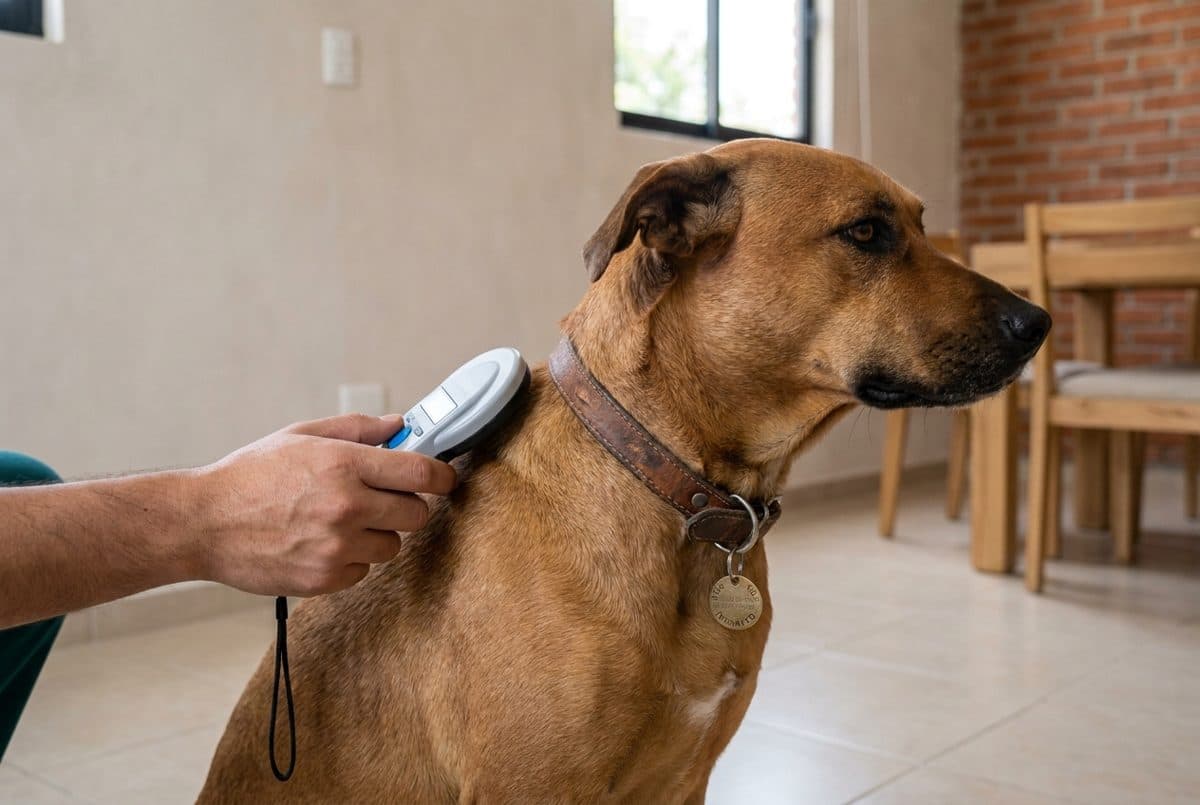
- Verify that your dog carries an ISO-compliant 15-digit microchip.
- Obtain the Certification of U.S.-Issued Rabies Vaccination before leaving the United States when visiting high-risk destinations.
- Submit the online CDC Dog Import Form to secure your entry receipt.
What documents and border rules apply when bringing a pet into Mexico?
SENASICA requires a Certificate of Good Health issued by a licensed veterinarian within 15 calendar days before arrival in Mexico.
SENASICA applies standard pet importation procedures for consignments up to three dogs or cats. Consignments of four or more animals require commercial clearance.
Mexican border inspectors check that travel crates arrive clean and free of bedding, toys, chew treats, and ruminant-origin accessories. You may bring a single dry food portion for the arrival day.
- Visit a licensed veterinarian for an examination within 15 calendar days before arriving in Mexico.
- Obtain the Certificate of Good Health from your veterinarian.
- Remove all bedding, toys, treats, and ruminant accessories from your travel carrier.
- Pack a single portion of dry pet food for the day of entry.
When does your pet need an import permit or a rabies titer test?
Certain destination agricultural authorities require an official import permit or a rabies antibody titration test completed months in advance.
Agricultural authorities in countries like Ireland, Malta, Finland, and Norway require tapeworm treatment within a designated pre-arrival window. When traveling through intermediate transit countries, your pet must satisfy veterinary rules for both the transit stop and the final destination.
- Contact the destination agricultural authority months in advance to review current entry rules.
- Verify transit country requirements if your travel itinerary includes layovers.
- Apply for an import permit from the destination agricultural authority when required.
- Complete required tapeworm treatments within the designated pre-arrival time window.
How should you carry your pet travel documents and regional health certificates?
You must carry the original signed veterinary certificate alongside printed paper duplicates and digital files stored on your mobile device.
Keep original signed and endorsed health certificates with your pet during transport. Storing duplicate paper copies and digital backups on your mobile device provides documentation at every border checkpoint.
For pets leaving Argentina, SENASA requires the Certificado Veterinario Internacional (CVI). SENASA provides a digital CVI for travel to Brazil, Chile, Paraguay, and Uruguay.
- Keep physical original signed health certificates with your pet during travel.
- Print paper duplicates of all health certificates, vaccination records, and permits.
- Save digital copies of all paperwork on your mobile phone.
- Request the Certificado Veterinario Internacional from SENASA when departing Argentina.
What identification tags and airline requirements does your pet need to fly?
IATA recommends attaching two identification tags to your pet's collar and reconfirming flight reservations with the airline at least 48 hours before departure.
Airlines enforce strict quotas on the total number of live animals allowed on each flight. IATA recommends reconfirming pet space with the air carrier at least 48 hours before departure.
Feed your pet a light meal two hours before handing them to the airline. IATA and AVMA advise against tranquilizers and sedatives during flights because they cause hypothermia, balance loss, and respiratory depression.
- Book your pet's flight early to secure a spot under airline animal quotas.
- Attach a permanent home tag and a temporary destination tag to the collar.
- Reconfirm the airline pet reservation at least 48 hours prior to takeoff.
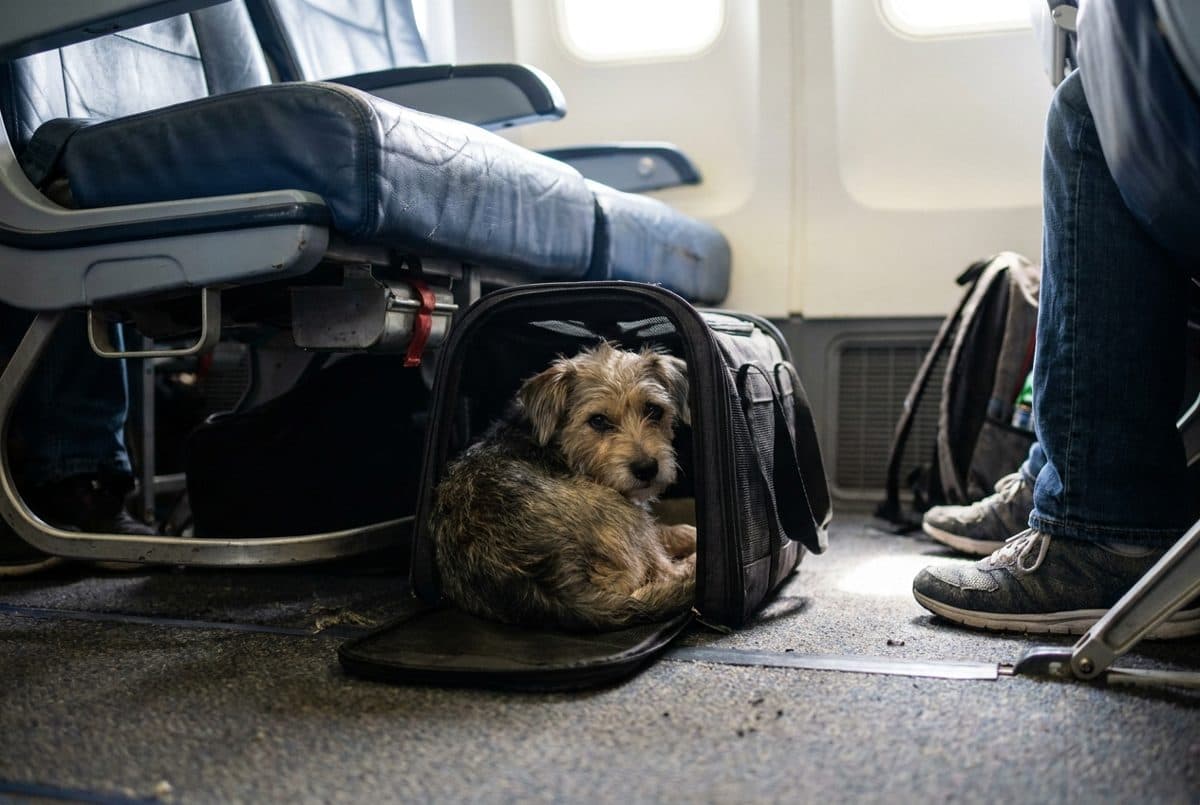
- Size the travel crate to animal length plus half the elbow height, twice the shoulder width, and standing height with bedding, adding 10% for snub-nosed breeds.
- Provide a light meal two hours before handing the pet to the airline carrier.
This is general guidance. Always ask your vet.
Checked against sources; veterinary review pending. Information checked on September 30, 2026. Updated on September 30, 2026.
Written with AI help from the cited sources. A second model checked every fact against them.
Sources
- S1 Tu mascota viaja contigo | Servicio Nacional de Sanidad, Inocuidad y Calidad Agroalimentaria | Gobierno | gob.mx
- S2 Pet Travel | Domestic and International Travel With a Pet
- S3 Take a Pet From the United States to Another Country (Export) | APHIS
- S4 Pet Travel Process Overview | Animal and Plant Health Inspection Service
- S5 Bringing a Dog into the U.S. | Importation | CDC
- S6 Entry Requirements for Dogs from Dog-Rabies Free or Low-Risk Countries | Importation | CDC
- S7 IATA - Traveler's Pet Corner
- S8 Pets (dogs, cats and ferrets): Export certificates - inspection.canada.ca
- S10 Solicitar certificación veterinaria para traslados al exterior de perros y gatos | Argentina.gob.ar
- S11 Bringing a pet into the EU from a non-EU country - Food Safety