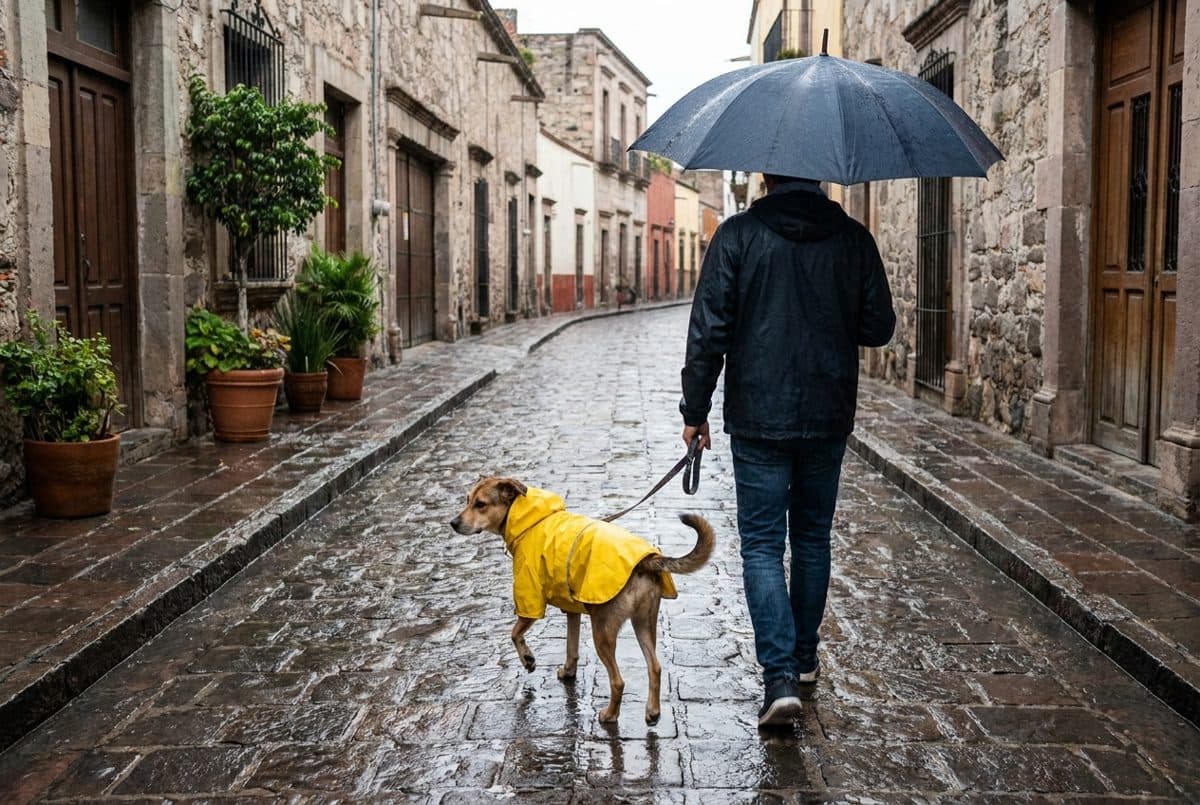
Heavy rains and tropical storms create standing water and bring hidden health hazards to pets across Mexico. Following essential outdoor safety habits and vet-recommended precautions keeps your dogs and cats healthy throughout the wet months.
This is general guidance. Always ask your vet.
How do I protect my dog from leptospirosis during the rainy season?
You protect your dog by preventing contact with standing puddle water and keeping their annual four-serovar leptospirosis vaccination up to date.
Heavy rainfall, tropical storms, and urban flooding between May and October spread leptospirosis bacteria through puddles and moist soil. Wildlife like rodents, raccoons, and opossums shed these spiral-shaped organisms in their urine, where they survive for long periods in warm, stagnant pools.
Infection occurs when dirty water touches mucous membranes or broken skin, including footpad abrasions caused by walking in wet mud. The bacteria incubate for 4 to 12 days and cause acute kidney damage and liver failure.
- Steer your dog away from puddles, muddy ditches, and floodwaters during walks.
- Inspect and wash your dog's paws after walking on wet ground.
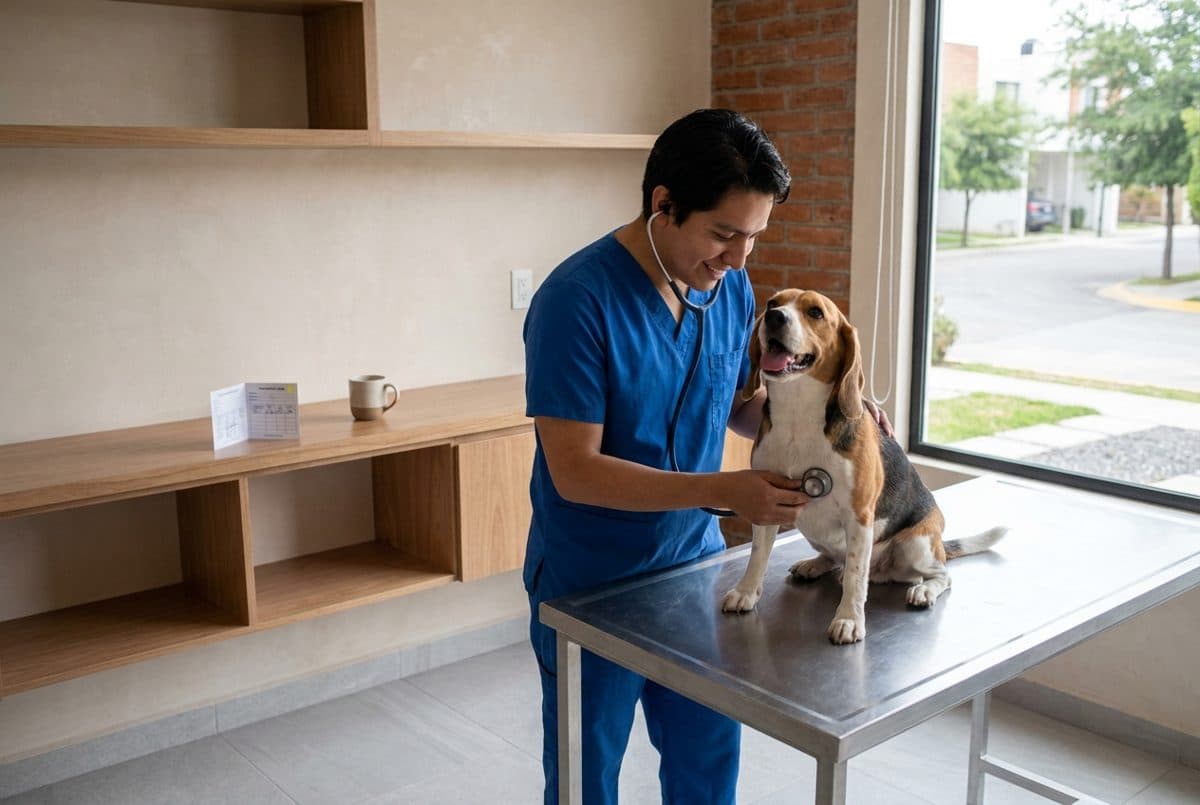
- Schedule an annual vet visit to administer the four-serovar vaccine.
How do I prevent heartworm disease in dogs and cats during wet months?
You prevent heartworm disease by administering veterinarian-prescribed preventive medication every month of the year.
Mosquitoes transmit Dirofilaria immitis larvae after feeding on an infected animal. The ingested microfilariae take 10 to 14 days inside the mosquito to become infective larvae, which enter pets through future mosquito bites.
A single dog can host up to 300 adult worms that grow up to 36 centimeters long and live for 5 to 7 years. Cats catch the disease too, and up to one-third of infected cats live entirely indoors where dying immature worms cause respiratory disease.
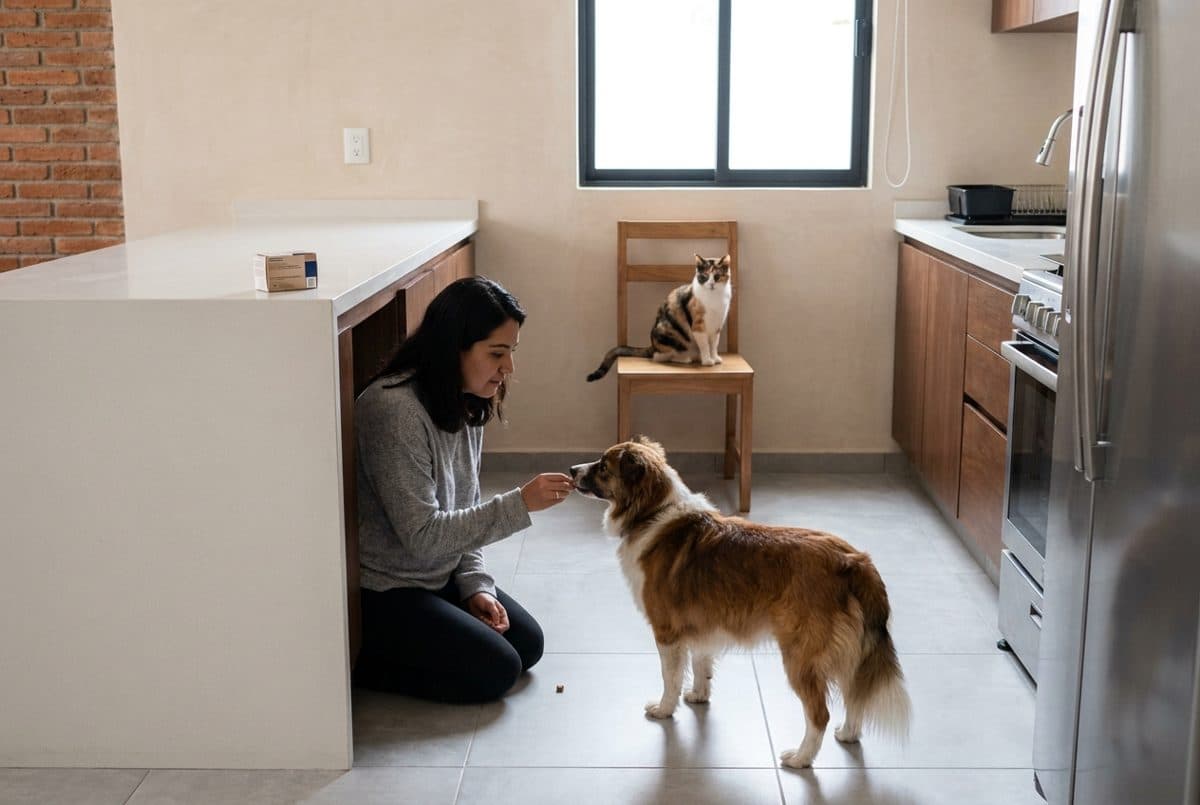
- Give your dog and cat heartworm preventive medication throughout all twelve months.
- Keep indoor cats protected because mosquitoes enter homes.
- Empty standing water containers around your home where mosquitoes breed.
What should I do if my pet encounters a toxic toad?
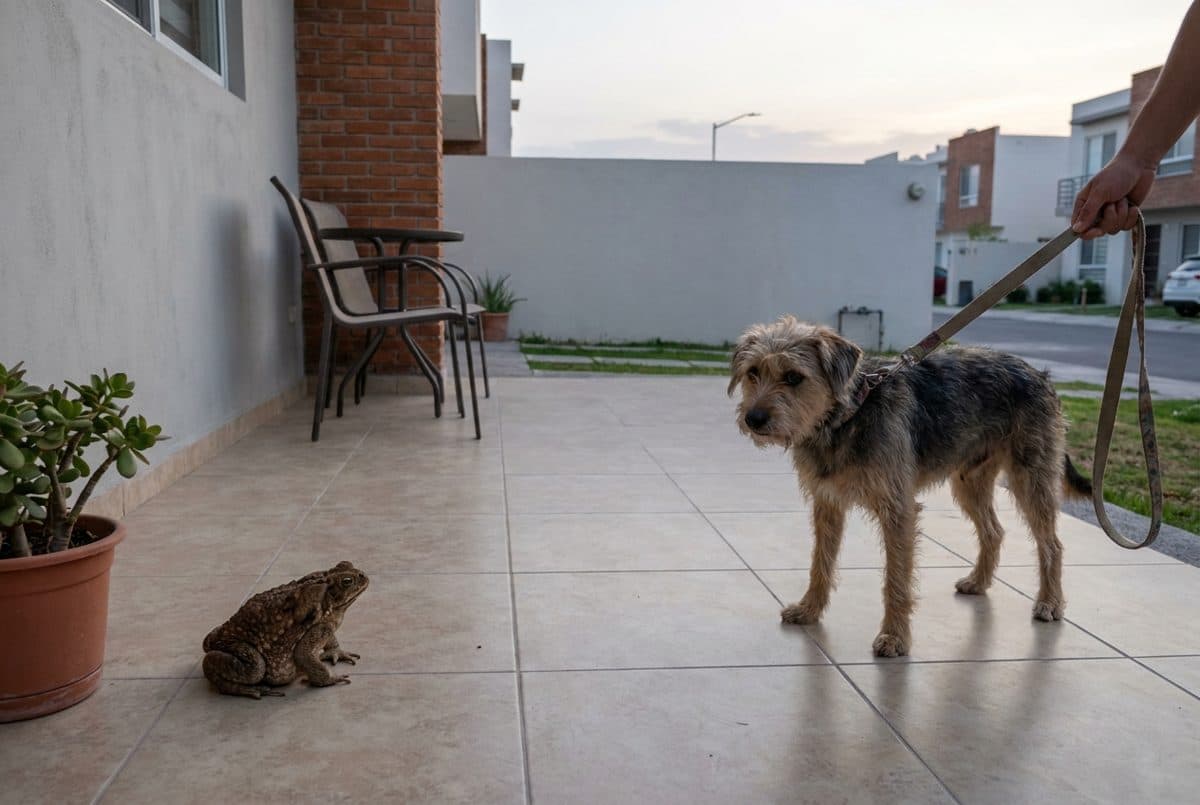
You must immediately flush your pet's mouth with running water while pointing their muzzle downward, then transport them to a veterinary hospital.
Cane toads and Colorado River toads breed during the rainy season and emerge after rain at dawn, dusk, and night. These large toads secrete potent poisons from their skin glands that absorb quickly through the mouth tissues of dogs and cats.
Pets face poisoning by mouthing a toad or drinking water from outdoor bowls where a toad sat.
- Point your pet's head downward so water flows out of their mouth.
- Flush the mouth thoroughly with a continuous stream of fresh water.
- Prevent your pet from swallowing the rinse water.
- Bring your pet to an emergency veterinary clinic immediately.
Why does my dog develop itchy skin and ear infections after rain?
Rainwater and humid air trigger an abnormal overgrowth of Malassezia pachydermatis yeast on your dog's skin.
The yeast organism Malassezia pachydermatis normally lives on canine skin in balanced numbers. Persistent dampness, high environmental humidity, and increased skin oils cause the organism to multiply rapidly.
This fungal proliferation causes intense scratching, redness, musty smells, flaky crusts, thickened skin, and ear infections. Consult your veterinarian for an accurate examination when you observe these changes.
- Dry your dog completely with a clean towel after every rainy walk.
- Check skin folds and ears for trapped moisture, redness, and musty odor.
- Take your dog to the vet for treatment when skin irritation appears.
How do I keep my dog safe during thunderstorm panic?
You keep your dog safe by creating an escape-proof indoor sanctuary and maintaining an updated microchip registration.
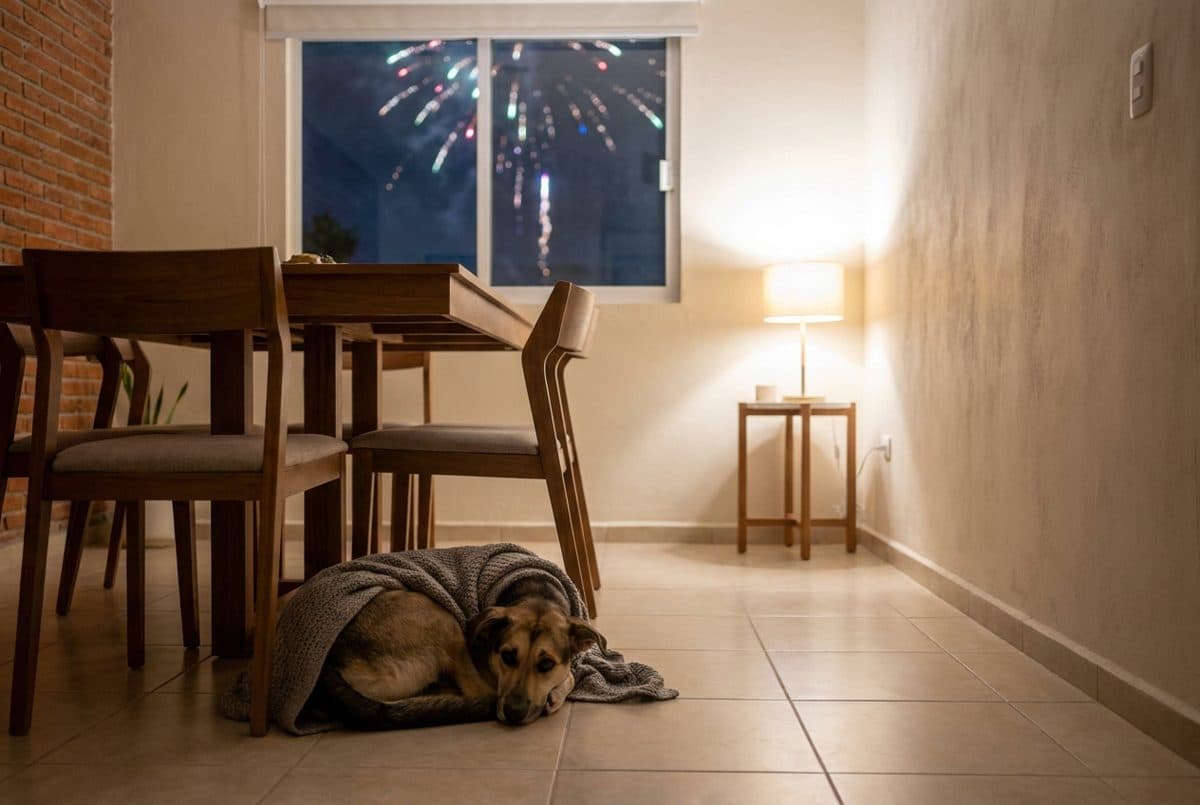
Thunderstorm fear represents the most frequent noise phobia in pet dogs. Dogs experiencing this phobia suffer intense anxiety, panic, and make frantic attempts to break out of homes and yards.
Collars and ID tags tear off or wear down during escape attempts. A rice-grain-sized radio-frequency identification microchip under the skin provides permanent identification as long as you keep your current phone number and address registered in the database.
- Bring dogs indoors into an enclosed, quiet room before storm downpours begin.
- Close windows, doors, and yard gates securely to block escape routes.
- Have your veterinarian scan your pet's microchip to verify the chip number.
- Update your contact phone numbers and home address in the microchip registry.
How do I handle indoor electrical hazards for pets during bad weather?
You protect pets by shielding all electrical cords and disconnecting power sources prior to touching an animal affected by electric shock.
Pets kept indoors during storms face electrical dangers, with chewing on cords standing as the primary cause of pet electrocution in dogs under two years old. Electric shock causes internal trauma and can trigger fluid accumulation in the lungs 12 to 36 hours after contact.
Immediate veterinary care is mandatory after an electrical contact even if surface burns seem minor.
- Block access to household cords or cover wiring with protective tubing.
- Disconnect the main power switch before approaching an animal touching live wires.
- Push the live electrical wire away with a dry wooden object if power shutoff is delayed.
- Transport the pet to an emergency veterinarian for pulmonary evaluation.
When should you go to the vet right away?
- Suspected contact with a cane toad or Colorado River toad, or drinking from outdoor bowls exposed to toads.
- Electric shock or chewing on electrical wires, even without visible burn marks.
- Severe panic-induced injuries sustained during storm escape attempts.
This is general guidance. Always ask your vet.
Checked against sources; veterinary review pending. Information checked on September 28, 2026. Updated on September 28, 2026.
Written with AI help from the cited sources. A second model checked every fact against them.
Sources
- S1 ¿Está lloviendo más que antes en la CDMX? Un #ExpertoUNAM lo explica - UNAM Global
- S3 Leptospirosis in Dogs | VCA Animal Hospitals
- S4 Keep the Worms Out of Your Pet’s Heart! The Facts about Heartworm Disease | FDA
- S5 Heartworm Disease in Dogs | VCA Animal Hospitals
- S6 Heartworm Disease in Cats | VCA Animal Hospitals
- S8 Toad Poisoning in Dogs | VCA Animal Hospitals
- S9 Yeast Dermatitis in Dogs | VCA Animal Hospitals
- S10 Behavior Problems in Dogs - Dog Owners - Merck Veterinary Manual
- S11 Electrocution in Dogs: Causes and Prevention | PetMD
- S12 Lightning Strike and Electrical Injury - Special Pet Topics - Merck Veterinary Manual
- S13 Microchipping Your Dog | VCA Animal Hospitals