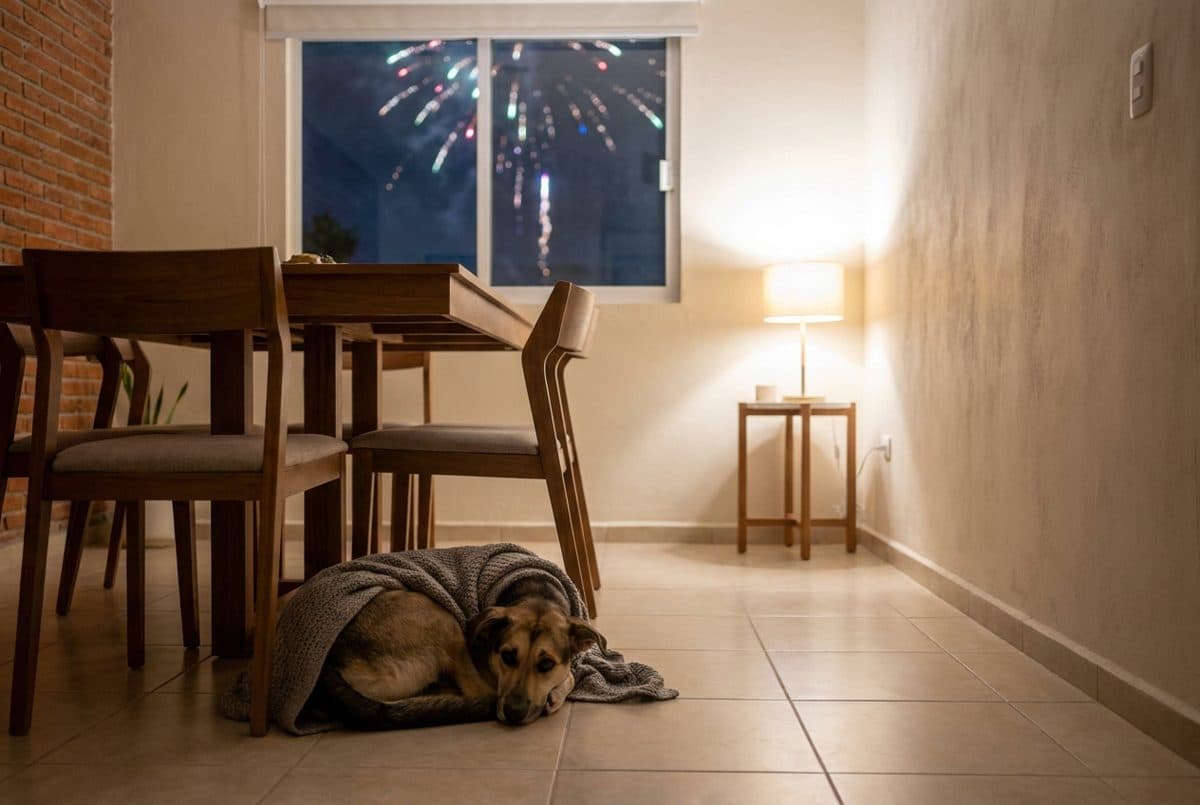
Loud fireworks cause intense fear and physical stress in dogs and cats during festive holidays. Simple changes in your home and proactive preparation keep your pet safe and calm.
This is general guidance. Always ask your vet.
Why do fireworks scare dogs and cats?
Fireworks scare pets because unexpected explosions trigger an adrenaline surge that sharply increases heart rate and blood pressure.
Dogs hear sounds four times further away than humans and detect higher sound frequencies. Cats have hearing roughly three times sharper than human hearing. These explosive bangs sound intensely loud to companion animals.
Fireworks fear impacts about half of all dogs. In an empirical study of 1,225 dogs, 52 percent showed fear of fireworks. A 2025 Savanta poll cited by the RSPCA found that fireworks negatively affected 60 percent of dogs. Most fearful dogs develop this condition during their first year of life.
Recovery times vary among animals. After fireworks, 74 percent of affected dogs recover by the next morning, 10 percent recover within one day, 12 percent take up to one week, and over 3 percent take several weeks or months to recover.
[S3][S4][S9][S11]How do you keep pets from escaping during fireworks?
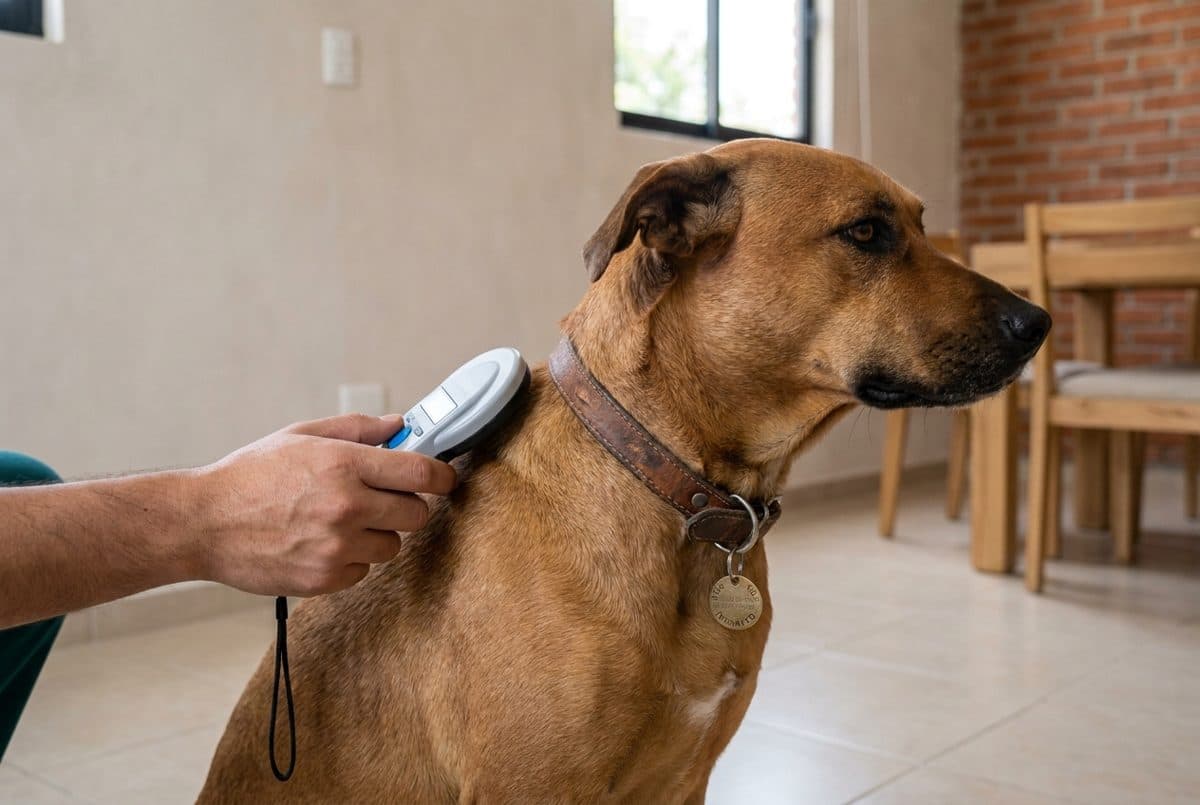
You keep pets from escaping by securing all household exits, keeping animals indoors before dusk, and confirming that microchips and collar tags have current contact details.
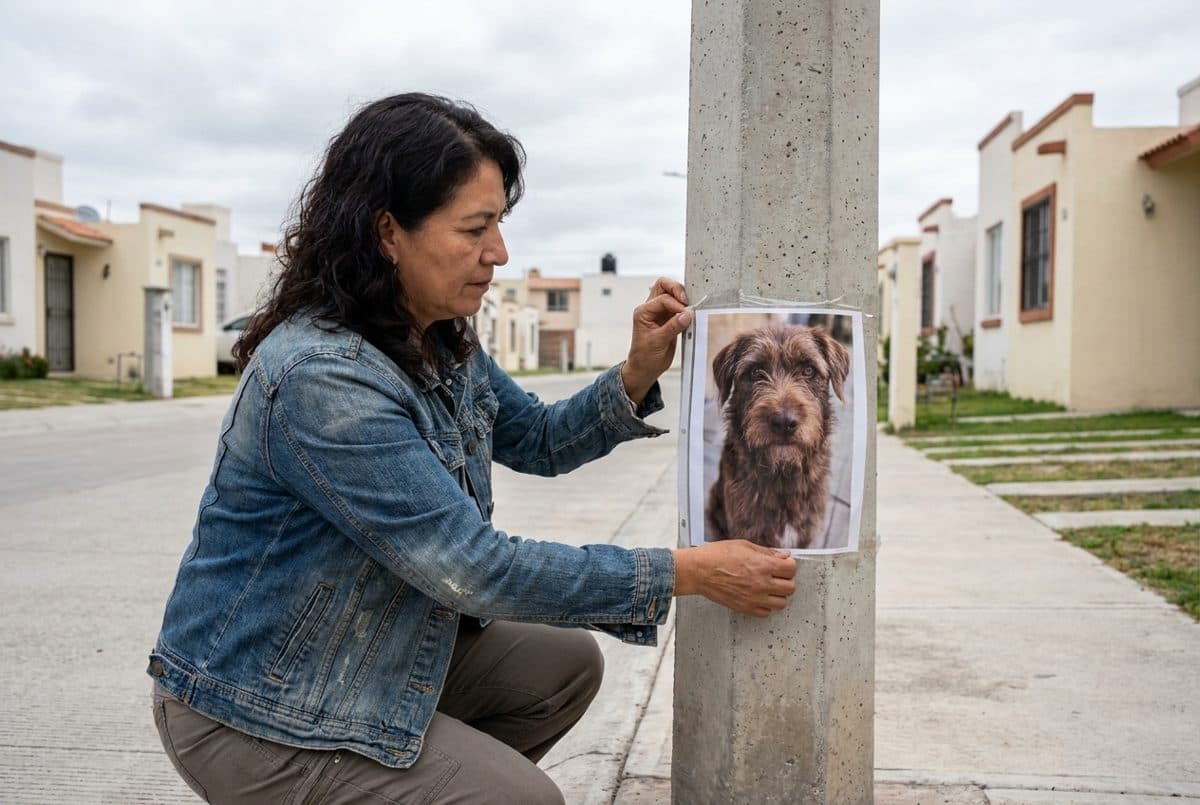
Sudden bangs trigger panic and cause animals to run away. Nearly 19 percent of lost pets go missing because of fireworks, thunderstorms, or loud noises. Among owners whose pets ran away from loud noises, 70 percent were caught off guard.
In Mexico, peak firework periods include National Independence Day on September 15 and 16, December Christmas celebrations, New Year's Eve, and patron saint festivities.
- Verify that your current phone number and address are on your pet's microchip registry.
- Fasten a collar with a visible, updated identification tag around your pet's neck.
- Lock cat flaps, close windows, and bring cats indoors before nightfall.
- Secure all external doors, windows, and garden fences.
How should you adjust your pet's routine during fireworks?
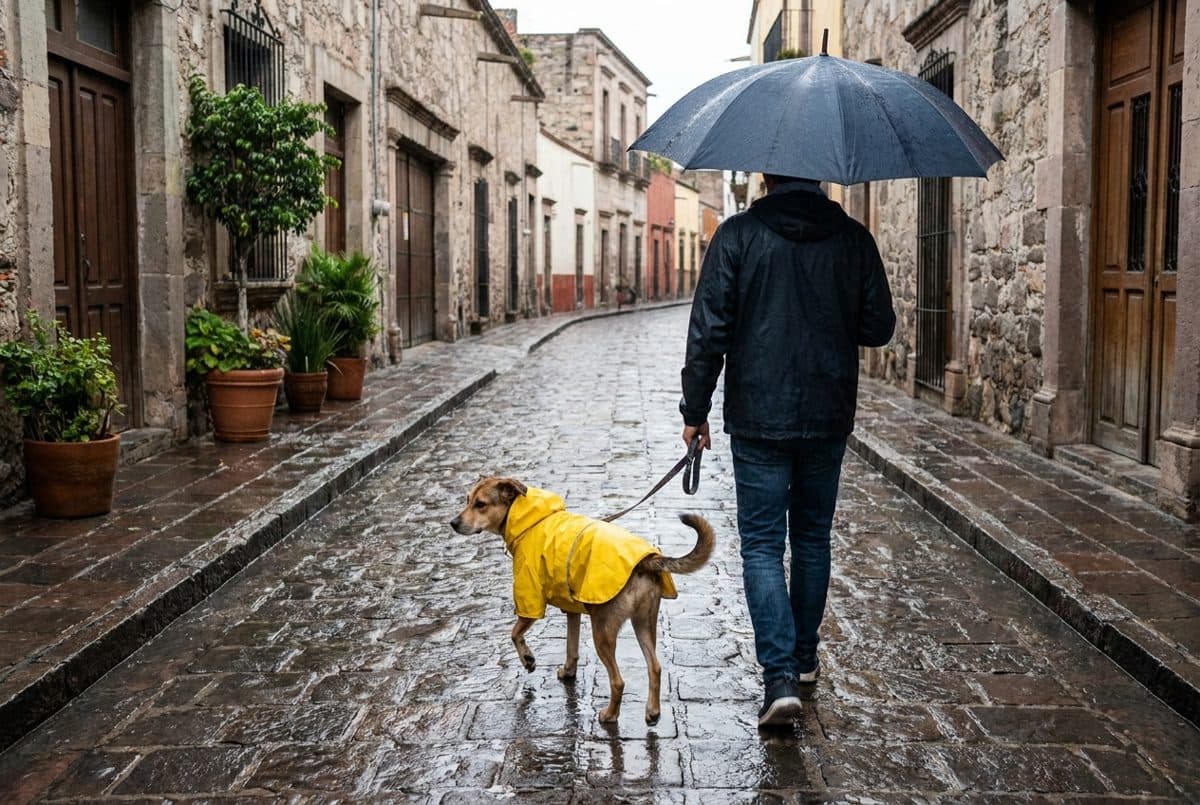
You should adjust your pet's routine by walking your dog during daylight hours and serving dinner earlier in the evening.
Exercise your dog while the sun is up. Bring your dog inside before dusk to avoid outdoor noise displays.
Feed your pet earlier in the evening. An early meal allows your pet to eat calmly and use the bathroom before fireworks start.
- Walk your dog during daylight hours.
- Bring your dog indoors well before dusk.
- Feed your pet's dinner earlier in the evening.
- Provide a bathroom break before loud noises begin.
How do you build a safe haven for your pet during fireworks?
You build a safe haven by setting up a cozy, enclosed shelter in a quiet interior room days or weeks before fireworks begin.
Choose a quiet room with few exterior walls, such as a closet, an area under stairs, or a quiet room corner. Drape thick blankets over a table, desk, or open wire crate. This padding muffles exterior explosions and blocks bright light flashes. Give your dog enough space to stand up and turn around comfortably. If you use a crate, keep the door permanently open so your dog moves freely.
Give each pet their own separate refuge in multi-pet homes. Separate spaces prevent competition for territory and avoid redirected aggression. For cats, provide access to elevated perches, cardboard boxes, wardrobes, and dark spaces under furniture.
Let your pet stay in their shelter as long as they need. Never drag, pull, or force a pet out of a hiding spot.
- Choose a quiet interior room away from outer walls.
- Cover a table, desk, or open crate with heavy blankets.
- Fasten crate doors open so pets move freely.
- Set up individual safe spots for every pet in your home.
- Leave hiding pets undisturbed in their chosen resting areas.
How do you block firework sounds and flashes at home?
You block sounds and flashes by shutting all windows, drawing blackout curtains, turning on household lights, and running continuous background audio.
Close all exterior windows and doors firmly to reduce noise from outdoor explosions. Draw curtains, blinds, and blackout shutters to block sudden flashes of light. Keep room lights turned on to lower the visual contrast of bright bursts outside.
Continuous audio covers sudden explosive sounds. Play music with a steady drumbeat, classical pieces, or calming piano tracks. Turn on radios, televisions, household fans, or white noise machines to create steady acoustic cover.
- Shut and latch all exterior doors and windows.
- Draw curtains, blinds, and blackout shutters.
- Turn on interior room lights to reduce flash contrast.
- Run electric fans or white noise devices.
- Play rhythmic music, classical tracks, or television programs.
How should you react to a fearful pet during fireworks?
You should react by remaining calm, offering food or play during loud bangs, and providing comfort whenever your pet seeks your attention.
Keep a relaxed demeanor and follow your standard daily routine. Pets watch human body language to evaluate danger. Never scold, reprimand, or punish a pet for trembling, destructive actions, or accidental indoor urination. Punishment confirms fear and intensifies noise phobias.
Offer treats, food, and toys immediately when fireworks go off. Offering food and play directly in response to bangs is the only management method linked to measurable fear drops in severely affected dogs.
Comfort your pet when they approach you. AVSAB and Dogs Trust state that comforting a fearful animal is safe because love does not reinforce an emotional state like fear. VCA Animal Hospitals recommends avoiding excessive petting to prevent reinforcing anxious behaviors. Research reviewed by AVSAB shows that comforting or ignoring a fearful dog causes no negative effect on fear progression over time.
[S1][S3][S4][S5][S7]How do you train a pet to tolerate loud noises?
You train a pet to tolerate loud noises by playing recordings of fireworks at low volumes and pairing the sound with high-value treats across several weeks.
Desensitization requires a minimum of 6 to 8 weeks and often lasts several months. Play fireworks recordings at an extremely low volume while giving your pet special treats or games. Increase the sound level only when your pet remains calm and relaxed.
Build everyday confidence through positive associations. Give an immediate high-value treat right after sudden household noises occur. Controlled sound exposure during puppyhood also lowers the chances of noise phobias in adulthood.
- Play firework sound recordings at an extremely low volume.
- Give your pet high-value treats or start a fun game.
- Raise the volume only when your pet shows no signs of stress.
- Continue short training sessions over 6 to 8 weeks or several months.
When should you consult a vet about firework anxiety?
You should consult a veterinarian several weeks before fireworks season starts if your pet exhibits moderate or severe noise fear.
A veterinarian checks your pet for underlying physical issues. Joint and muscle pain strongly correlates with the emergence and severity of noise fears.
Veterinarians evaluate and prescribe specific medical treatments or behavioral supplements. You must administer these therapies well before fireworks begin. Your veterinarian can also refer you to a certified clinical animal behaviorist for a detailed behavior modification plan.
[S1][S3][S4][S5][S6][S7]This is general guidance. Always ask your vet.
Checked against sources; veterinary review pending. Information checked on September 28, 2026. Updated on September 28, 2026.
Written with AI help from the cited sources. A second model checked every fact against them.
Sources
- S1 Helping your dog cope with fireworks | Dogs Trust
- S2 How to build a den for your dog | Dogs Trust
- S3 What to do if your dog is scared of loud noises | Dogs Trust
- S4 Keeping dogs, cats and other small pets safe during fireworks - RSPCA - rspca.org.uk
- S5 Survey Shows Which Treatments Are Effective for Fireworks Fears in Dogs
- S6 Dogs’ Least Favorite Holiday
- S7 Helping Dogs with Severe Phobias During Storms and Fireworks | VCA Animal Hospitals
- S8 What if Your Pet Goes Missing During 4th of July Fireworks? There’s an App for That. | ASPCA
- S9 Four Ways Fourth of July Fireworks Can Harm Our Pets | ASPCA
- S10 Firman alianza por el bienestar animal y la pirotecnia responsable - Gaceta UNAM
- S11 Not a one-way road—Severity, progression and prevention of firework fears in dogs - PMC
- S12 Anxious cats - International Cat Care