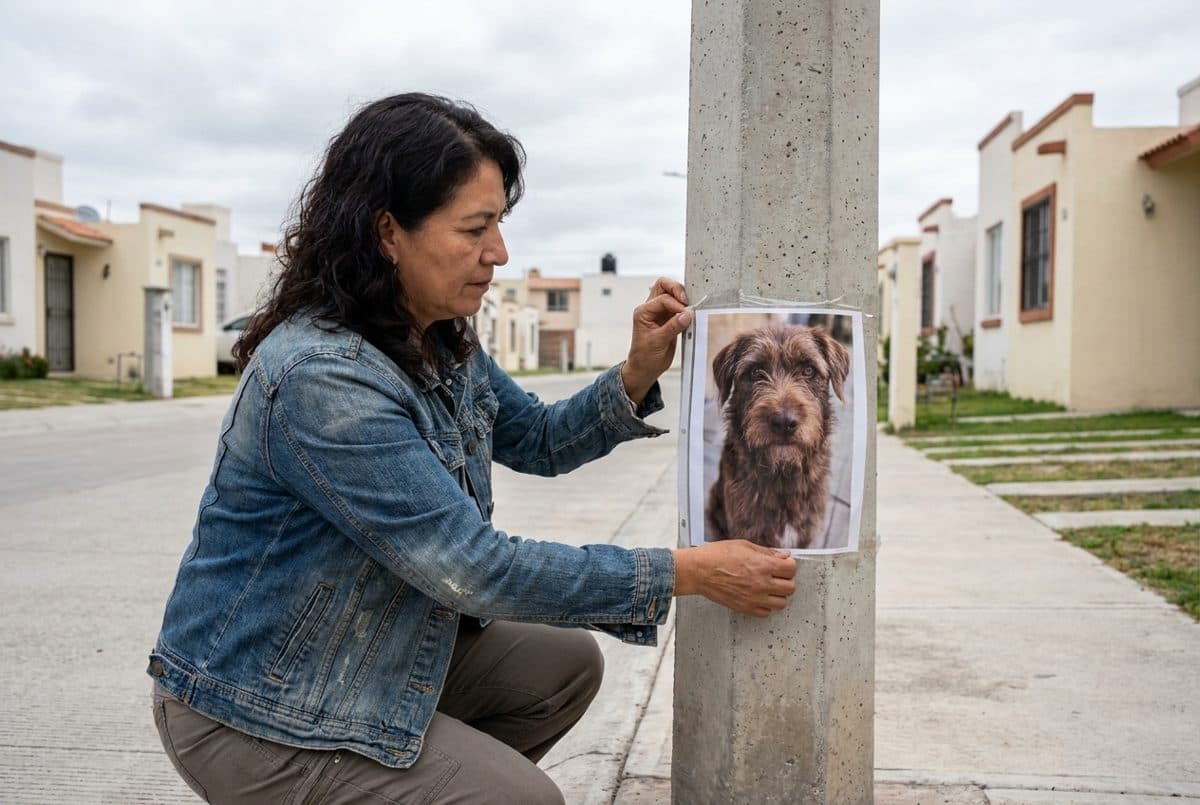
A missing pet requires swift, organized action across your home and neighborhood. Taking structured search steps increases your chance of a safe reunion.
This is general guidance. Always ask your vet.
How do I search my house for a missing pet?
Check every indoor hiding spot thoroughly and place familiar scent items outside your home.
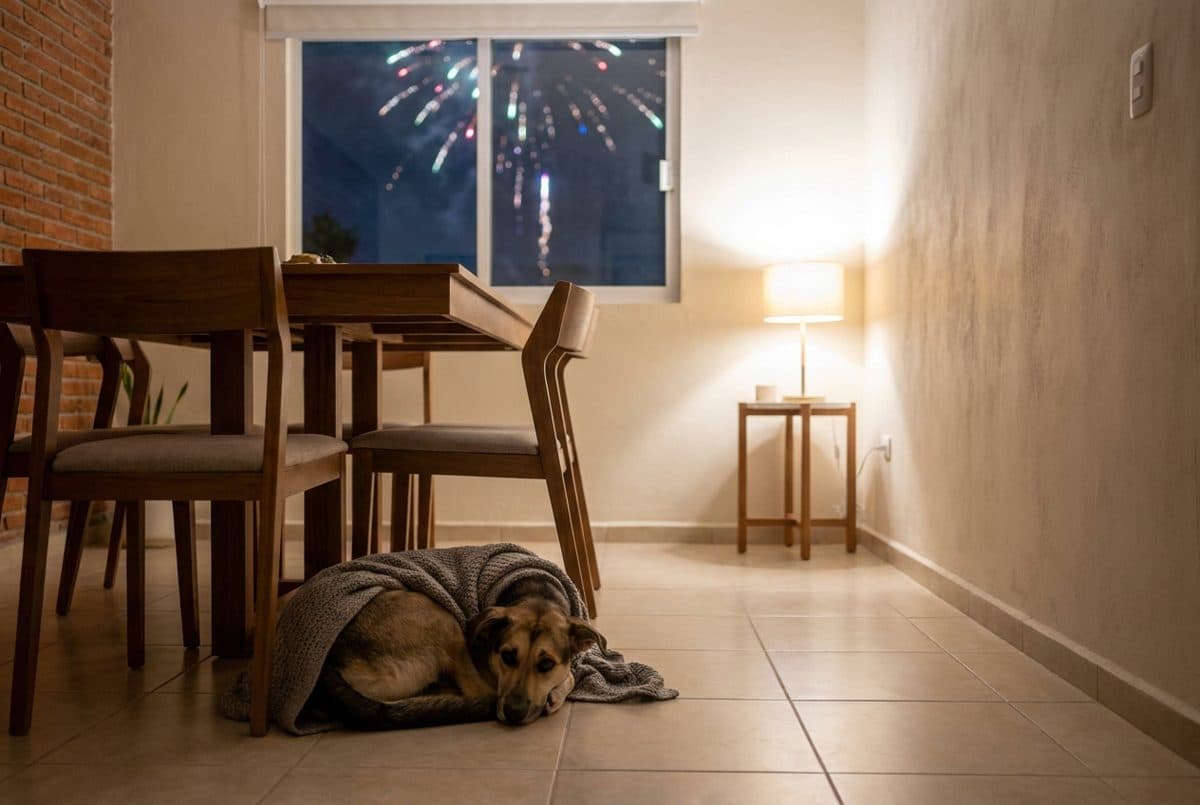
Pets hide in small, quiet spaces when scared or resting. Shaking a treat bag or food bowl loudly draws them out of closets, attics, and areas behind furniture.
Placing unwashed clothing, used bedding, or a favorite blanket outside your door creates familiar scent beacons that guide your pet home.
- Inspect indoor hiding spots under beds, inside closets, behind heavy furniture, and across attics or basements.
- Shake a food bowl or treat bag loudly to lure your pet out of hiding.
- Place worn clothing, bedding, or a blanket outside near your door.
Where do lost cats hide?
Most lost cats hide silently in dark, enclosed spaces close to home.
Research shows that 75% of missing cats remain within 500 meters of their escape point. Indoor cats travel a 75th-percentile distance of 137 meters, and cats with outdoor access travel up to 1,609 meters.
Frightened cats conceal themselves silently under decks or inside sheds, rarely vocalizing when called. In a study of 1,210 missing cats, 34% were recovered alive within 7 days, and recoveries after 90 days dropped significantly.
Outdoor litter boxes attract predators and territorial cats that chase your pet away.
[S5][S8]How should you approach a loose dog?
Drop low to the ground and use a cheerful voice with treats to lure a frightened dog.
Lost dogs travel outward into the surrounding neighborhood. Running after a loose dog triggers panic and pushes the animal into roadways.
Turn sideways, sit on the ground, or run in the opposite direction to encourage the dog to follow you.
A feeding station paired with a motion-activated camera confirms your dog's presence before you set a humane trap.
- Search your immediate neighborhood first, then expand outward.
- Drop low to the ground and offer treats using a cheerful voice.
- Set up a feeding station with a motion-activated camera to monitor visits.
How do I report a lost pet to local authorities?
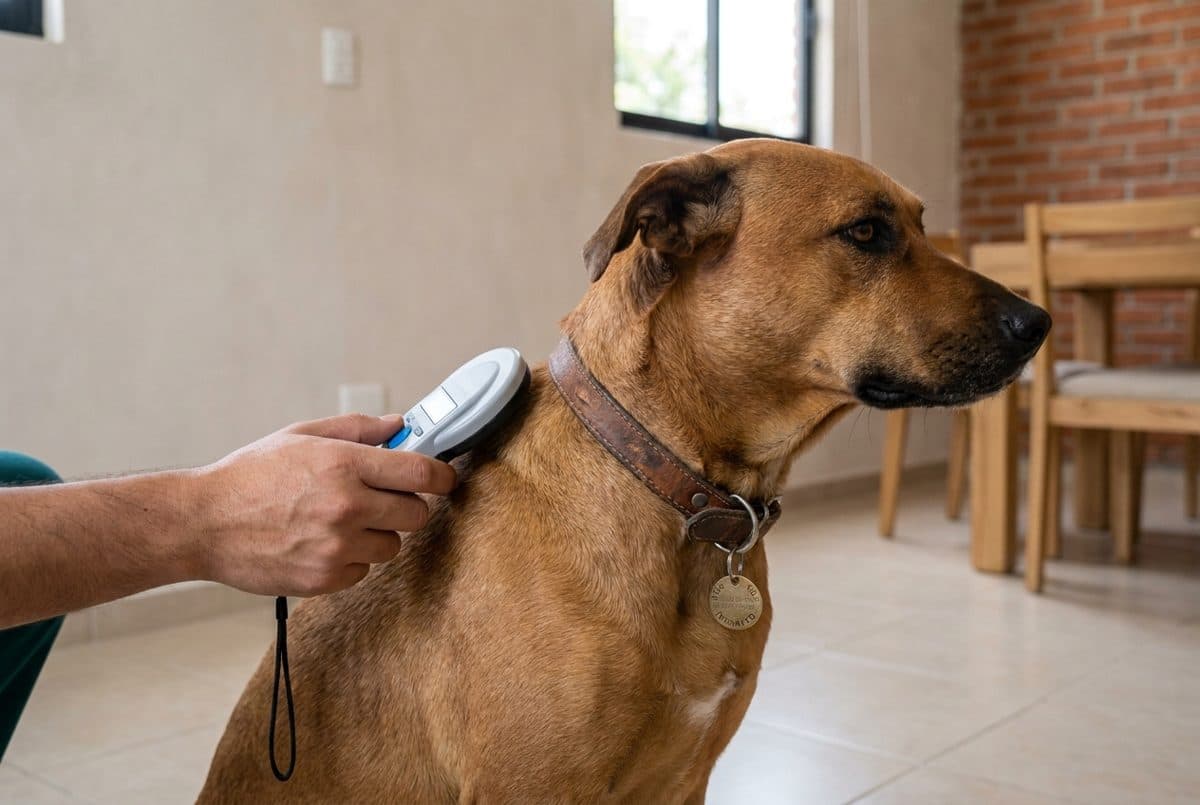
File missing pet reports with local shelters, rescue groups, veterinary clinics, and your microchip registry.
In a JAVMA study, microchipped dogs achieved a 52.2% return rate, and microchipped cats achieved a 38.5% return rate. Missing or outdated registry records affected 41.9% of microchipped shelter animals, creating the primary barrier to reunions.
Contact your microchip company to mark the transponder as lost and verify your current phone numbers.
Submit missing pet reports to municipal animal control agencies, private rescue organizations, and local veterinary clinics.
- Contact your microchip registry to flag your pet as lost and confirm your phone numbers.
- File missing pet reports with municipal animal control, private rescues, and veterinary clinics.
What should I put on a lost pet flyer?
Design a flyer with a bold headline, a clear color photograph, and two working phone numbers.
Keep a single, consistent design with large headers such as LOST DOG or MISSING CAT. Include your pet's breed, sex, markings, age, weight, last known location, and two alternate working phone numbers.
Post flyers at adult eye level and child eye level near schools and parks, where observant children spot neighborhood animals. Distribute copies to veterinary offices, grooming salons, pet shops, laundromats, convenience stores, and gas stations.
Publish digital alerts on neighborhood networks, including local Facebook lost-and-found groups, Nextdoor, and homeowners association email lists.
- Create a flyer with a bold header, a clear color photo, pet details, and two phone numbers.
- Hang flyers at adult and child eye levels near parks, schools, and local businesses.
- Post digital notices to Nextdoor, local Facebook groups, and neighborhood email lists.
Why should owners visit animal shelters in person?
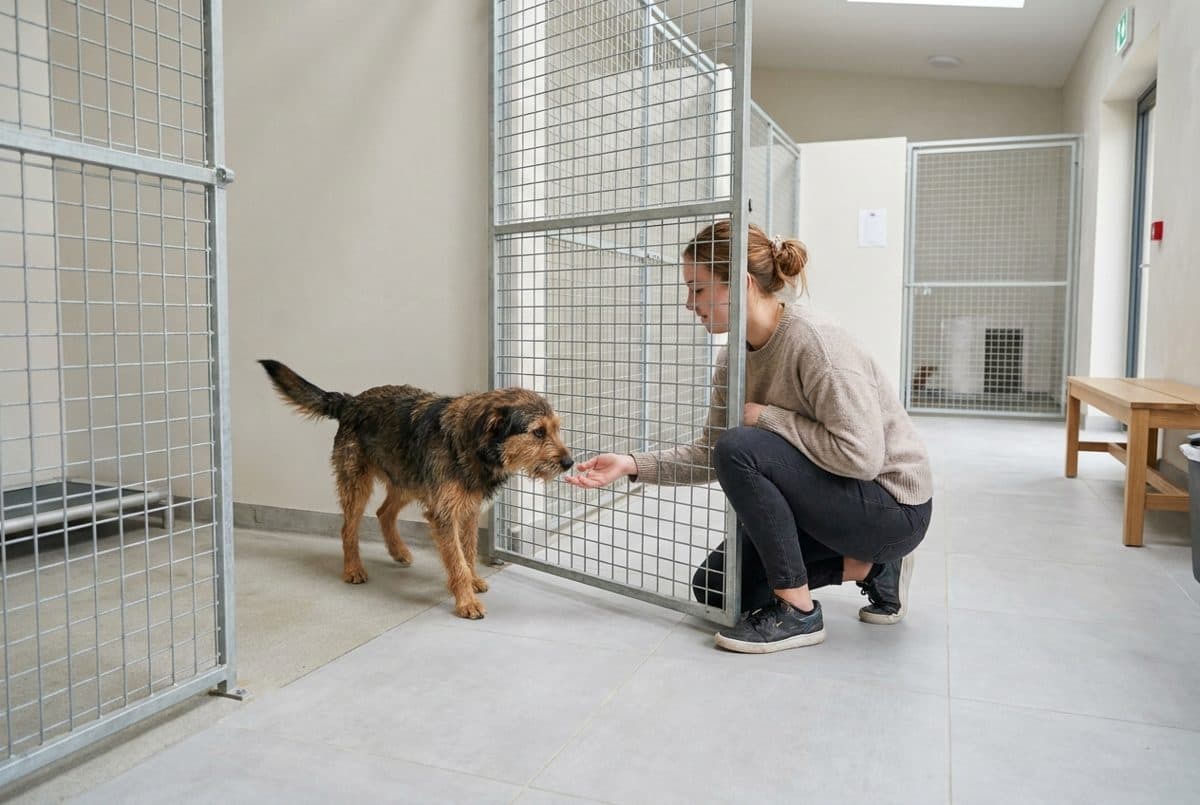
Visit animal shelters in person because physical misclassifications can prevent staff from matching your pet by phone.
An ASPCA survey found that 6% of lost dogs and 2% of lost cats returned through animal shelters, with most pets found in the neighborhood or returning home. In-person shelter visits allow you to inspect every kennel directly.
Knock on neighbors' doors in person to ask permission to check under porches and have them inspect locked sheds and garages. Hand flyers to postal carriers, delivery personnel, dog walkers, and joggers who travel daily neighborhood routes.
Confirm your pet in person before sending any money, as scammers demand wire transfers or gift cards for missing animals.
- Visit local animal shelters on a regular schedule to check kennels directly.
- Speak with neighbors and hand flyers to postal workers, delivery drivers, and dog walkers.
- Inspect any found pet in person before making payments.
In the Kiba Vet app you can report your lost pet and alert owners in your area.
This is general guidance. Always ask your vet.
Checked against sources; veterinary review pending. Information checked on September 28, 2026. Updated on September 28, 2026.
Written with AI help from the cited sources. A second model checked every fact against them.
Sources
- S1 Finding a Lost Pet | ASPCA
- S5 How To Find a Lost Cat | PetMD
- S6 How to Find a Lost Dog | PetMD
- S8 Search Methods Used to Locate Missing Cats and Locations Where Missing Cats Are Found - PMC
- S9 How Many Pets are Lost? How Many Find Their Way Home? ASPCA Survey Has Answers | ASPCA
- S10 avma
- S12 What to do if You Have Lost Your Dog? | Dogs Trust