
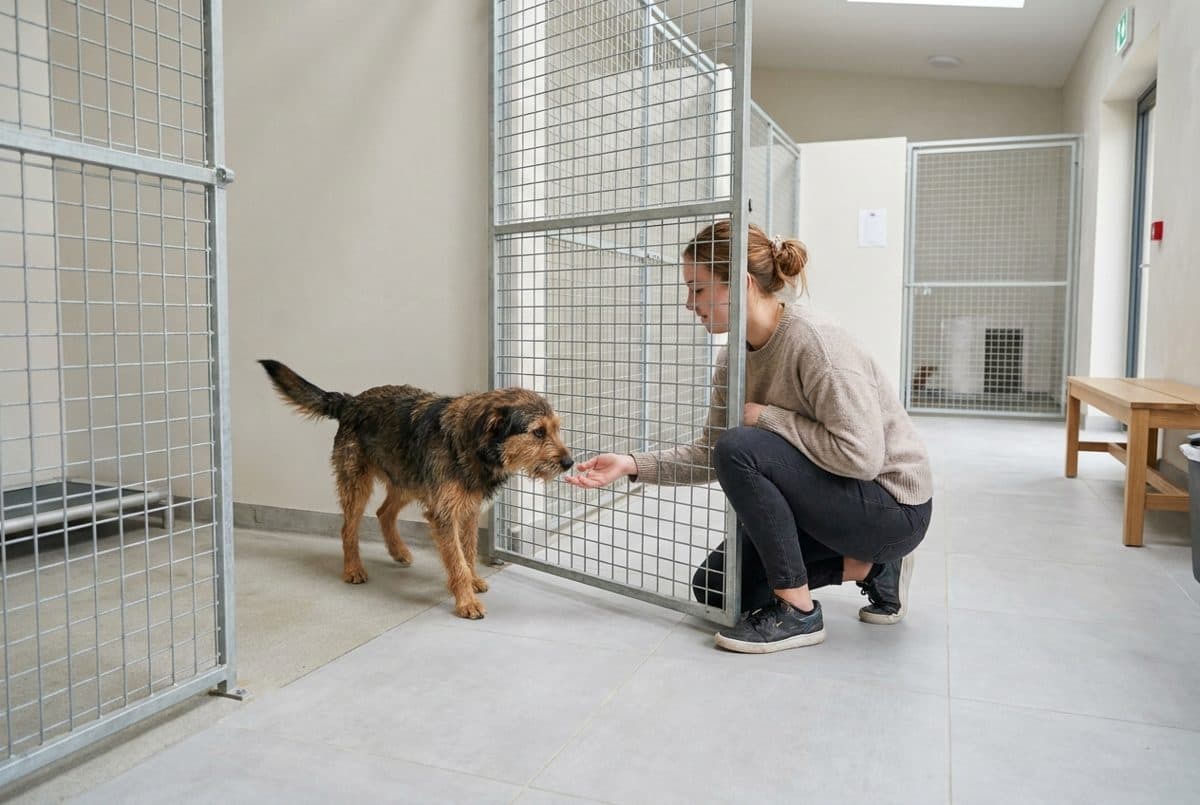
Bringing a dog or cat into your home is a major long-term commitment. Planning your budget, home environment, and daily schedule helps you choose the right companion.
This is general guidance. Always ask your vet.
How much does it cost to adopt and care for a pet?
Caring for a pet requires budgeting for initial setup supplies and routine annual veterinary care.
Initial setup costs cover essential equipment and basic medical care. You need food bowls, bedding, a travel carrier, grooming tools, and collars. Dogs require crates and leashes, while cats require litter boxes and scratching posts. Initial medical expenses include spaying or neutering, microchipping, and starter vaccine series.
Annual recurring budgets keep your pet healthy throughout life. Plan expenses for food, toys, treats, grooming, licensing, and routine dental cleanings. Routine medical costs include annual examinations, core vaccines, preventative parasite medication, and health insurance.
- Price initial supplies such as bowls, bedding, carriers, and leashes.
- Add one-time veterinary fees for surgical sterilization, microchipping, and starter vaccines.
- Calculate yearly costs for food, annual checkups, core vaccinations, and preventative medications.
Should you adopt a dog or a cat?
Your daily schedule, available living space, and local climate determine whether a dog or a cat fits your household.
Dogs require daily outdoor bathroom walks, active physical exercise, obedience training, and human companionship. Active dogs thrive with sufficient living space or a fenced yard. Confinement in small quarters without exercise causes stress and destructive habits. Terrier breeds require intensive activity, while some giant adult breeds need lower activity levels.
Cats thrive in apartments, busy work schedules, and homes with limited mobility. Cats interact on their own terms. Multi-cat households require ample territory and one litter box per cat plus one additional box.
Local climate affects animal comfort. Heavy coats struggle in hot climates, and short coats require protection from freezing temperatures.
[S2][S3][S8][S10]Should you adopt a young pet or an adult pet?
Adult pets offer predictable temperaments and lower supervision needs, while puppies and kittens require intensive early training and frequent veterinary booster visits.
Puppies and kittens demand significant time and medical attention. Puppies require continuous supervision, house training, and teething management. Kittens need human handling between 2 and 7 weeks of age to build friendly social behaviors. Kittens remain with their mother until full weaning at 6 to 7 weeks of age.
Adult animals have settled temperaments, predictable physical sizes, and established house training. Adult cats show calm behavior and require less continuous watching.
[S2][S3][S6][S8][S9][S10]What questions should you ask a shelter before adopting?
Ask shelter staff about the animal's medical documentation, behavioral evaluations, and daily feeding routines.
Verified shelters provide medical care before adoption. About 75 percent of shelter animals receive medical treatment or behavioral support. Adoption fees standardly cover a medical examination, core vaccines, deworming, heartworm testing, and spaying or neutering.
Foster homes evaluate how animals behave with children and other household pets. Many shelters offer temporary foster trials lasting a few days or weeks to confirm household compatibility.
- Request complete veterinary records, including vaccination dates, deworming history, and diagnostic tests.
- Confirm the animal's sterilization status or scheduled surgery date.
- Inquire about the surrender history, behavioral assessments, and reactions to other pets.
- Ask for the current food brand and feeding schedule to prevent digestive upset.
How do you choose a responsible pet breeder?
Choose a breeder who conducts parental health screenings and invites you to inspect the living facility in person.
Reputable breeders screen parent dogs for genetic conditions and physical disorders such as hip dysplasia. Breeding dogs require testing for brucellosis, an infectious bacterial disease transmissible to humans. Ethical breeders maintain waitlists lasting months or up to 2 years.
Commercial mass-breeding facilities sell puppies through retail stores, online advertisements, or parking lot meetups. Purebred puppy prices below $250 or above $10,000 indicate fraudulent sellers or puppy mills. Lineage registry certificates record pedigree ancestry and leave out health guarantees.
Adoption contracts from verified organizations require surgical sterilization by a specific age. Contracts also grant the organization the right of first refusal if you can no longer keep the pet.
- Visit the facility in person to observe the mother interacting with the litter.
- Review certified parental screening records for genetic diseases, hip dysplasia, and brucellosis.
- Avoid sellers who deliver animals through public parking lots or retail pet shops.
- Sign a contract containing spay or neuter requirements and a return policy.
How do you prepare your home for a new pet?
Prepare your home by checking local housing regulations, scheduling family introductions, and setting up strict hygiene routines.
Check municipal laws and property rules before bringing an animal home. Hundreds of cities maintain breed-specific regulations, and property insurance policies frequently restrict specific breeds.
Introduce all family members and resident pets to the prospective animal before signing adoption paperwork. Keep children under 5 years old under close supervision during all pet interactions to prevent accidental bites or scratches.
Implement sanitary routines to protect human health. Family members must wash hands with soap and running water after touching pets, handling food bowls, and cleaning waste. Scoop cat litter boxes daily to limit parasites. Pregnant women must avoid cleaning cat litter boxes due to toxoplasmosis risks. Implant a microchip to ensure permanent identification, since 1 in 3 pets goes missing.
- Confirm city ordinances and rental pet restrictions.
- Arrange a neutral introductory meeting between resident pets and the new animal.
- Set up handwashing stations and designate clean feeding zones.
- Register the animal's implanted microchip with your current contact information.
This is general guidance. Always ask your vet.
Checked against sources; veterinary review pending. Information checked on September 28, 2026. Updated on September 28, 2026.
Written with AI help from the cited sources. A second model checked every fact against them.
Sources
- S1 Cutting Pet Care Costs | ASPCA
- S2 Selecting a Dog - Dog Owners - Merck Veterinary Manual
- S3 Selecting a Cat - Cat Owners - Merck Veterinary Manual
- S4 Selecting a purebred puppy | Cornell University College of Veterinary Medicine
- S5 Ways to Stay Healthy Around Animals | Healthy Pets, Healthy People | CDC
- S6 The Ultimate Guide to Responsible Pet Adoption | PetMD
- S7 Dog Adoption Fees | Dog Adoption Costs | How Much is Dog Adoption | PetMD
- S8 How to Choose a Dog & What to Know Before Getting One | PetMD
- S9 Routine Health Care of Dogs - Dog Owners - Merck Veterinary Manual
- S10 Routine Health Care of Cats - Cat Owners - Merck Veterinary Manual