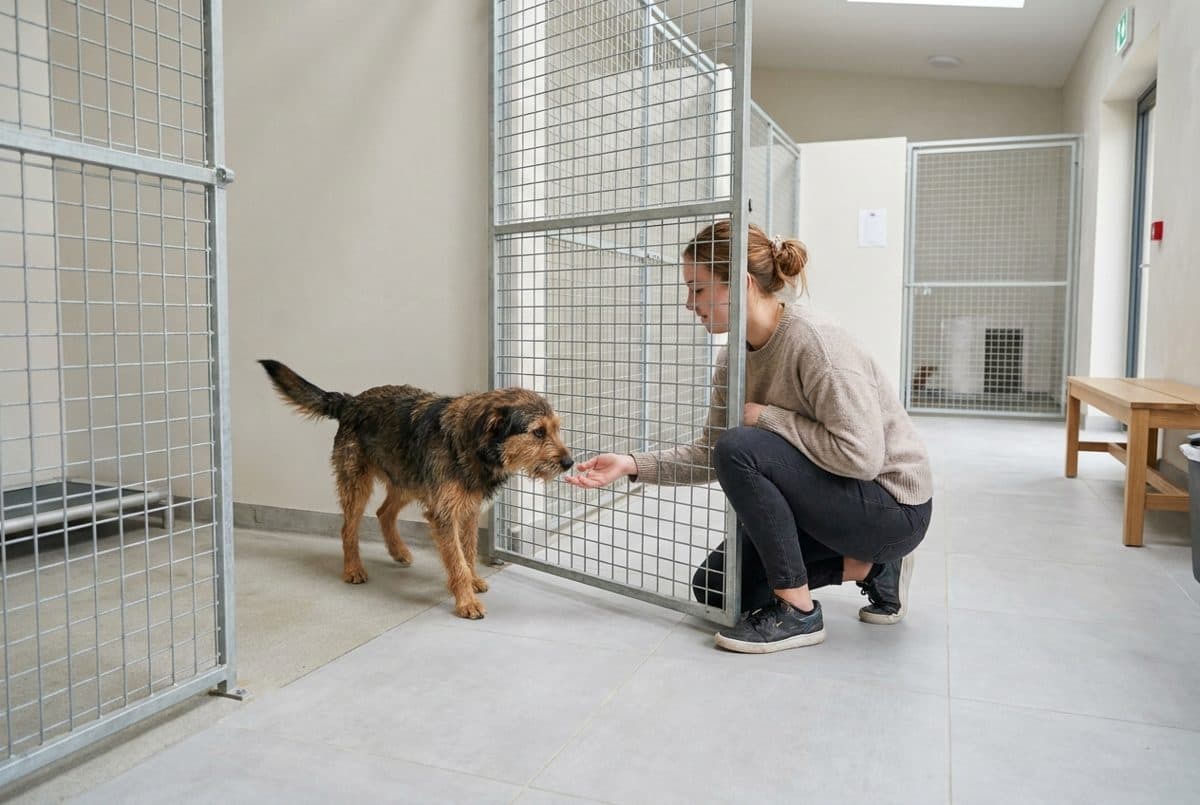

Children and household pets form close bonds when families establish predictable routines and respectful interactions. Active adult supervision and safety education protect both children and pets from harm.
This is general guidance. Always ask your vet.
Why do family dogs bite children at home?
Most dog bites to children occur during routine daily activities with familiar pets in the home.
In the United States, roughly 400,000 children seek medical attention for dog bites each year. Children between 5 and 9 years of age experience the highest frequency of bite injuries.
Bite incidents frequently involve dogs with clean behavioral histories. In research records, 66 percent of dogs that bit a child had zero previous incidents with children, and 19 percent had zero previous bite history with any person.
Due to their shorter height, children under 4 years old suffer bites primarily to the head, face, and neck. Taller children sustain bite injuries primarily on their arms and legs.
Adults living in households with 2 or more dogs experience five times higher bite rates compared to adults in homes without dogs.
[S1][S2][S6][S7][S9]How do dogs show stress and fear around children?
Dogs show stress through posture shifts, yawning, lip licking, and head turns before escalating to growling or snapping.
Early physical indicators of canine stress include out-of-context yawning, lip licking, trembling, crouching, flattened ears, and a tucked tail. A stressed dog looks away, turns its head, or walks toward a quiet area.
A wagging tail communicates emotional arousal, tension, or defensive threat when held stiff, vertical, or moving in a fast flick.
Canine warning signs indicating an immediate risk of biting include a rigid body freeze, a hard direct stare, raised fur along the back, growling, lunging, and snapping.
[S1][S6][S7]How should children pet and greet dogs safely?
Children should ask owners for permission, allow dogs to approach first, and pet animals gently along the chest or back.
Children under 6 years of age face bite risks around food bowls and prized toys. Older children encounter bite risks when entering a dog's resting territory.
Parents can begin teaching children respectful boundaries around pets starting at 18 months of age. Supervised children can practice positive training by giving simple verbal cues like sit and offering treat rewards.
- Ask the dog's owner for permission before approaching any unfamiliar animal.
- Stand quietly and let the dog approach first to sniff a closed hand.
- Pet the dog gently along the chest, sides, or back.
- Keep hands away from the top of the dog's head.
- Keep faces away from the dog's face and head.
- Leave pets undisturbed while they eat, chew toys, sleep, care for young, or retreat to their beds.
What should a child do when approached by an aggressive dog?
A child protects their body by standing still with arms folded across the neck or curling into a tight ball on the ground.
Rough play, shouting, and running increase canine excitement and elevate bite risks. Children protect vulnerable body parts by holding static defensive postures.
- Stand quiet and still like a tree if approached by an unfamiliar loose dog.
- Fold arms across the neck and look down away from the dog's eyes.
- Curl into a ball like a rock if knocked to the ground.
- Pull knees tight against the chest.
- Cover the face, ears, and neck with both hands.
How should children wash their hands after touching pets?
Children must wash their hands with soap and clean running water for twenty seconds after handling pets, food bowls, or animal waste.
Adults must actively supervise handwashing for children under 5 years of age. Thorough washing eliminates bacteria transferred from pet fur, saliva, food bowls, and yard soil.
Hand sanitizer containing at least 60 percent alcohol provides an effective option when soap and water are unavailable. Rub the gel over all hand surfaces until completely dry.
- Wet hands with clean running water.
- Apply soap and scrub all surfaces for at least 20 seconds.
- Rinse hands clean under running water.
- Dry hands completely with a clean towel.
How can families prevent parasites from cat litter boxes?
Families prevent parasite transmission by scooping cat litter boxes daily and washing hands thoroughly after cleaning.
Toxoplasma gondii parasite eggs in cat feces require 1 to 5 days to reach an infectious state. Daily scooping removes the feces before the eggs can infect humans.
Households need one litter box per cat plus one extra box. Place litter boxes far from food preparation counters, children's play areas, and pet feeding stations.
Keep outdoor sandboxes covered when not in use to stop outdoor cats from using them as waste sites. Collect dog feces from yards regularly to maintain clean play lawns for children.
- Scoop waste out of every litter box once each day.
- Place feces into sealed waste bags.
- Wash hands thoroughly with soap and running water immediately after handling the box.
How can pregnant individuals live safely with pet cats?
Pregnant individuals can keep pet cats safely by assigning litter cleaning to another person and feeding cats commercial food.
Over 40 million people in the United States carry the Toxoplasma gondii parasite, and the vast majority remain asymptomatic. Infected cats shed parasite eggs in their feces for only 1 to 14 days following their initial infection.
Stroking a cat's coat is safe because cats shed parasite eggs exclusively in feces. Feeding pet cats commercial dry kibble, canned food, or cooked food stops them from contracting the parasite.
Wear protective gloves when gardening or handling outdoor soil. Cook whole meat cuts to 145 degrees Fahrenheit (63 degrees Celsius) with a 3-minute rest, ground meat to 160 degrees Fahrenheit (71 degrees Celsius), and poultry to 165 degrees Fahrenheit (74 degrees Celsius).
- Ask another household member to clean the cat litter box daily.
- Wear disposable gloves and wash hands with soap immediately if cleaning the box yourself.
- Wear protective gloves whenever working in the garden or touching soil.
- Cook all household meat to recommended internal temperatures.
This is general guidance. Always ask your vet.
Checked against sources; veterinary review pending. Information checked on September 28, 2026. Updated on September 28, 2026.
Written with AI help from the cited sources. A second model checked every fact against them.
Sources
- S1 Preventing dog bites | American Veterinary Medical Association
- S2 Dogs | Healthy Pets, Healthy People | CDC
- S3 Cats | Healthy Pets, Healthy People | CDC
- S4 Preventing Toxoplasmosis | Parasites - Toxoplasmosis (Toxoplasma infection) | CDC
- S5 About Toxoplasmosis | Toxoplasmosis | CDC
- S6 Dog Behavior Problems - Aggression - Children | VCA Animal Hospitals
- S7 Dog Bite Prevention | ASPCA
- S8 Toxoplasmosis and cats - International Cat Care
- S9 Children & Dogs - How They Can Live Together - RSPCA - rspca.org.uk
- S10 About Handwashing | Clean Hands | CDC