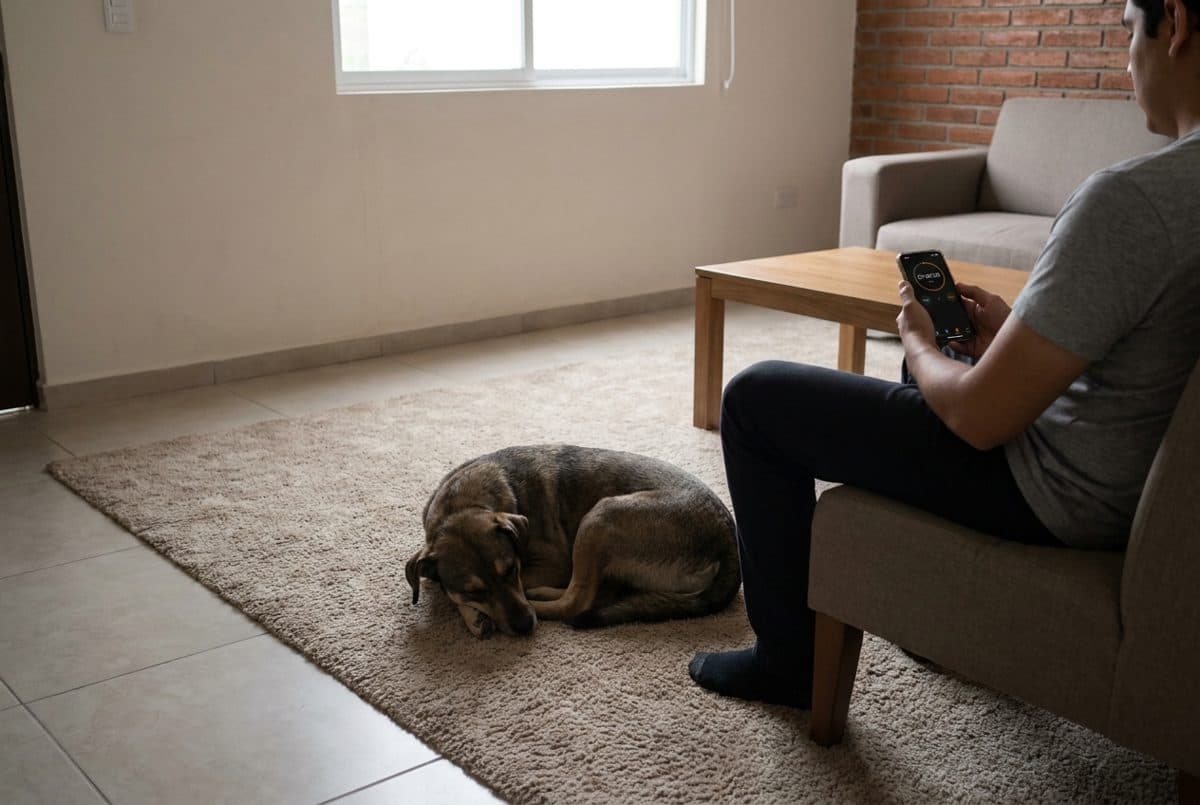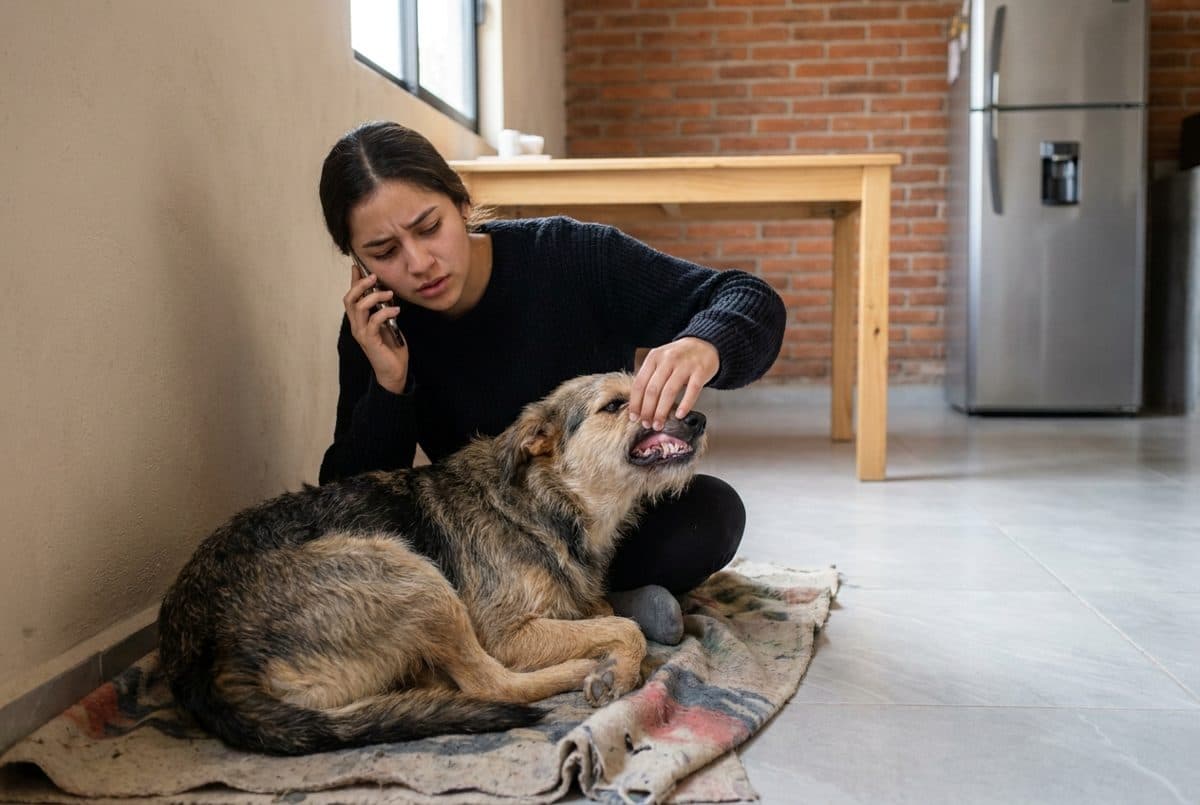
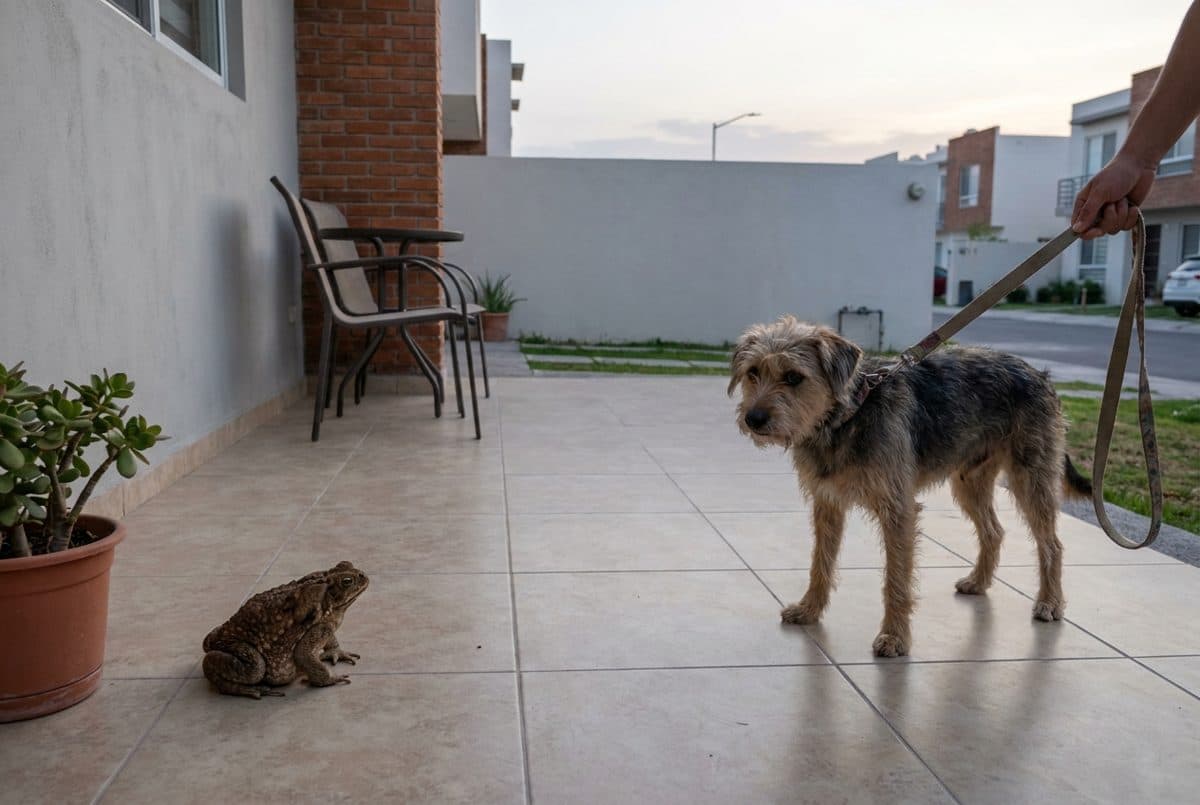
A dog biting a toxic toad triggers a medical emergency that demands immediate veterinary intervention. First-aid decontamination slows venom absorption while you rush your pet to the hospital.
This is general guidance. Always ask your vet.
What should you do immediately if your dog bit a toad?
Call an emergency veterinary hospital immediately, wipe the inside of your dog's mouth with a damp cloth, and transport your pet right away.
Angle your dog's snout downward during oral cleaning so water and saliva drain forward out of the mouth. Directing water into the throat causes dangerous choking and life-threatening aspiration pneumonia. Withhold water rinsing if your dog is unresponsive, unconscious, or actively seizing.
Flushing duration guidelines vary across veterinary organizations. The Florida Fish and Wildlife Conservation Commission advises 10 minutes of flushing. The Pet Poison Helpline recommends 10 to 15 minutes of wiping or rinsing. The University of Florida IFAS advises rinsing for 15 minutes.
Avoid non-veterinary oral mixtures and home remedies, as they cause additional harm to an envenomed dog. Inducing vomiting at home brings severe choking and aspiration hazards as neurological function declines.
- Contact an emergency veterinary clinic immediately to confirm arrival and prepare the medical team.
- Angle your dog's head downward so fluids drain forward out of the mouth.
- Wipe the gums, tongue, and inner cheeks thoroughly using a damp cloth or wet towel.
- Rinse the cloth frequently in clean water between wipes to remove sticky venom.
- Transport your dog to the emergency veterinary clinic immediately.
What are the clinical signs of toad poisoning in dogs?
Toad poisoning causes heavy frothy drool, brick-red gums, mouth pawing, vomiting, muscle tremors, seizures, and abnormal heart rates.
Signs of poisoning emerge within seconds or minutes after oral contact. Heavy frothy drool and brick-red gums serve as primary early indicators of exposure. Oral irritation leads exposed dogs to paw at their mouths, shake their heads repeatedly, and vocalize.
Venom entering the bloodstream produces gastrointestinal and neurological symptoms. Dogs experience vomiting, gagging, and retching. Nerve toxicity causes disorientation, stumbling gait, muscle tremors, and seizures.
Severe envenomation disrupts the cardiovascular system, causing irregular heartbeats, breathing distress, blue gums, and cardiac arrest. Untreated dogs can reach critical condition or die within 15 minutes of oral exposure.
[S1][S2][S3][S5]How does toad venom affect a dog's body?
Toad venom contains digitalis-like compounds that disrupt heart rhythms and toxins that block nerve signals.
Toad secretions contain digitalis-like bufagenins that alter normal cardiac rhythm and cause life-threatening arrhythmias. The venom also carries bufotoxins that block sodium channels throughout nervous tissue, triggering tremors and seizures.
Mucous membranes in the gums, mouth, eyes, and digestive tract absorb these chemicals rapidly. Compressing the toad's parotoid glands between a dog's jaws forces the creamy white toxin to squirt or ooze outward.
Veterinary clinics deliver symptom-directed supportive care because toad venom lacks a targeted chemical antidote.
[S1][S2][S3]Which toxic toad species live in Mexico?
The cane toad and the Colorado River toad are the two dangerous species native to Mexico that cause fatal dog poisoning.
The cane toad (Rhinella marina) and the Colorado River toad (Incilius alvarius) cause severe, fatal toxicity in dogs. Both species are native to regions across Mexico.
Cane toads inhabit regions from extreme southern Texas through Mexico, Central America, and tropical South America. Cane toads have prominent, roughly triangular parotoid glands that narrow toward the back of the shoulders.
The Colorado River toad inhabits northwestern Mexico and the southwestern United States. Both toad species carry potent venom inside large parotoid glands resting on their shoulders behind the eyes.
[S1][S2][S3][S5][S8]When are dogs at the highest risk of toad poisoning?
Dogs face the highest risk during the rainy breeding season at dawn, dusk, and nighttime around outdoor food dishes.
Toad activity concentrates during dawn, dusk, and nighttime hours. Dog encounters peak during the rainy season, when toads gather to breed.
Leaving pet food and water dishes outside overnight draws foraging cane toads directly into residential yards. Keeping food and water dishes indoors overnight removes this attractant from outdoor living spaces.
[S2][S3]When should you go to the vet right away?
- Profuse frothy drooling
- Brick-red gums
- Blue gums (cyanosis)
- Pawing at the mouth or persistent head shaking
- Vocalizing from oral pain
- Vomiting, gagging, or retching
- Unsteady walking, loss of coordination, or disorientation
- Muscle tremors
- Seizures
- Difficulty breathing (dyspnea)
This is general guidance. Always ask your vet.
Checked against sources; veterinary review pending. Information checked on September 28, 2026. Updated on September 28, 2026.
Written with AI help from the cited sources. A second model checked every fact against them.