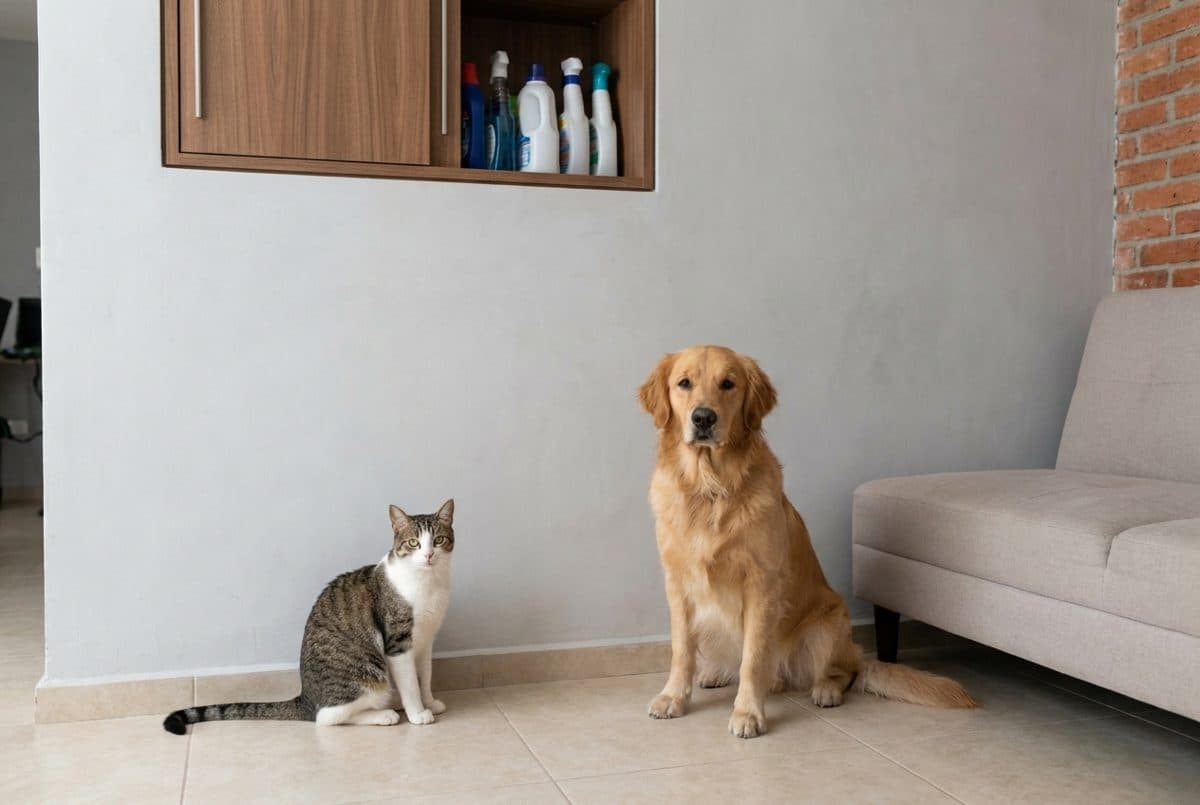
Quick action stops further toxic exposure while the veterinary clinic prepares life-saving medical care.
This is general guidance. Always ask your vet.
What should you do right now if your pet ingests poison?
Call your veterinarian immediately and move your pet away from the toxic substance.
First aid stabilizes your pet and keeps it safe during transit to the clinic.
Call the veterinary hospital ahead of time so the medical team prepares emergency antidotes and treatment areas before you arrive.
- Remove your pet from the contaminated area to stop further contact with the substance.
- Check that your pet is breathing and acting normally.
- Call your veterinarian, an emergency veterinary clinic, or an animal poison control helpline immediately.
- State the exact substance name, estimated amount consumed, elapsed time, and your pet's approximate weight.
- Collect all product packaging, containers, or plant material to show the veterinarian.
Should you induce vomiting or give home remedies for pet poisoning?
Administer treatments only when a veterinary professional explicitly instructs you to do so, because unverified home remedies worsen toxicity and delay emergency medical care.
Administering salt or salt water produces fatal sodium poisoning in pets.
Giving milk causes digestive upset in lactose-intolerant dogs and cats without neutralizing toxic compounds.
Feeding cooking oil, butter, or other fatty substances creates digestive harm and fails to treat ingested toxins.
[S1][S3][S8][S9]How do you clean chemicals or sticky substances from your pet's coat?
Bathe your pet using warm water and mild liquid dish soap to remove oily chemical residues from the coat.
Liquid dish soap cuts through greasy chemical residues on the fur.
Keep soapy water and rinse water away from your pet's eyes and ears throughout the bath.
- Massage vegetable oil into the fur for 5 to 10 minutes to loosen sticky glue or tar.
- Wash the affected coat with warm water and mild liquid dish soap.
- Rinse the fur thoroughly with clean warm water while protecting the eyes and ears.
Why are dog flea treatments dangerous to cats?
Canine flea spot-on products contain permethrin, an insecticide that causes rapid toxic accumulation and neurological damage in cats.
Cats lack the liver enzymes required to break down permethrin safely.
Cats absorb the toxin by grooming treated dogs or resting on contaminated furniture.
Keep cats and dogs separated for at least 72 hours following the application of a permethrin flea product to a dog.
[S6][S9]Why must you avoid giving human pain medications to pets?
Human pain relievers cause acute organ failure, stomach ulcers, and fatal blood cell damage in dogs and cats.
Human pain medications require a direct prescription from a veterinarian before administration to any pet.
Human anti-inflammatory medications cause severe stomach ulceration, intestinal bleeding, and kidney damage in dogs and cats.
[S7][S8][S9][S13][S14]What happens if a pet eats rodent bait?
Rodenticides contain diverse chemical poisons that trigger internal bleeding, brain swelling, seizures, or kidney failure.
Bait pellet color and shape provide no reliable information about the underlying toxic chemical.
Bring the original product packaging or official registration details to the veterinary clinic so staff can identify the exact compound.
[S11]Why is antifreeze dangerous to dogs and cats?
Antifreeze contains ethylene glycol, an ingredient with a sweet taste that attracts pets and causes fatal acute kidney failure.
Very small ingested amounts of ethylene glycol lead to permanent organ failure if treatment is delayed.
Early signs appear between 30 minutes and 12 hours after ingestion, presenting as stumbling, vomiting, excessive drooling, and abnormal thirst.
[S10]Which everyday household items cause severe poisoning in pets?
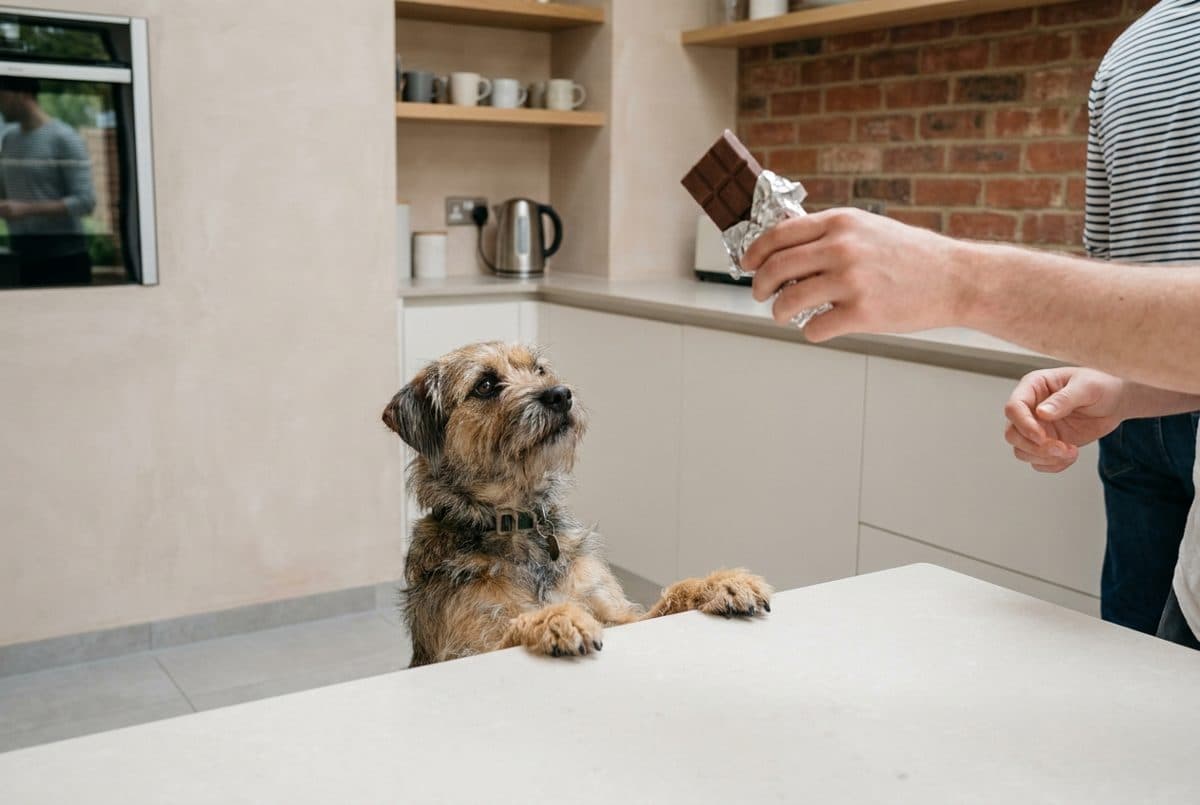
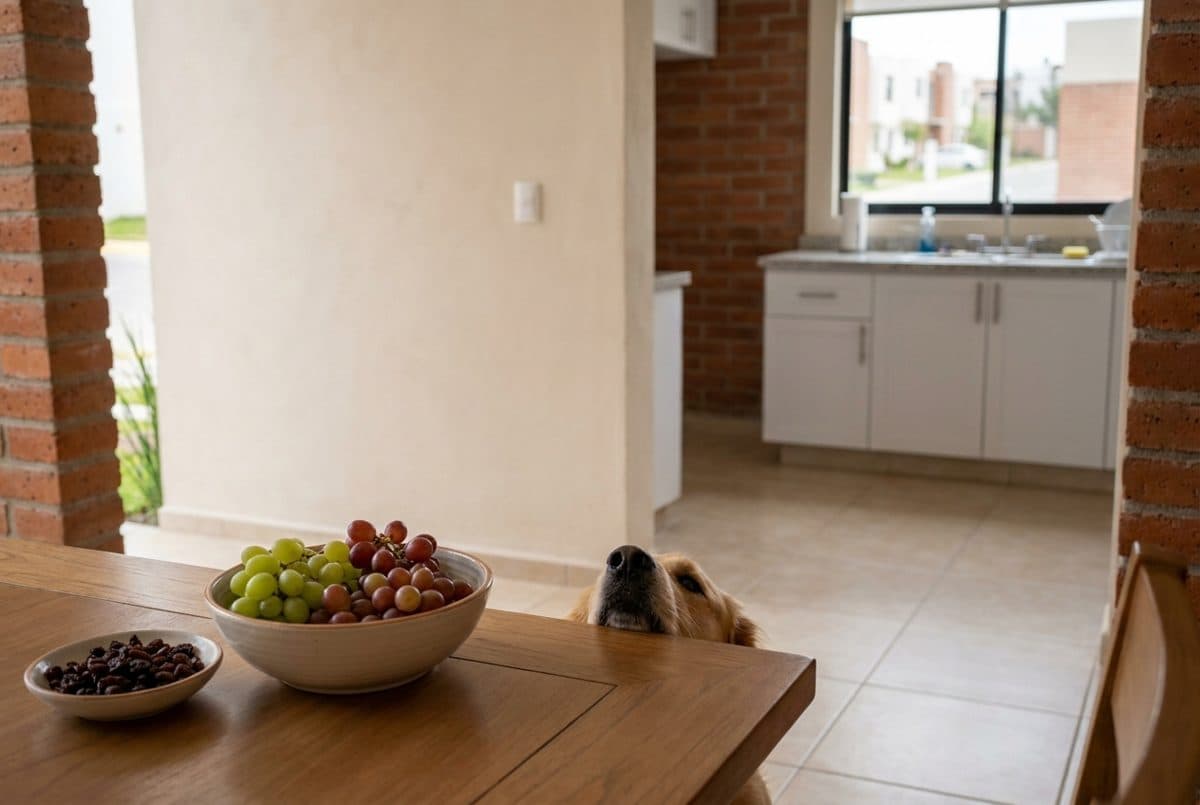
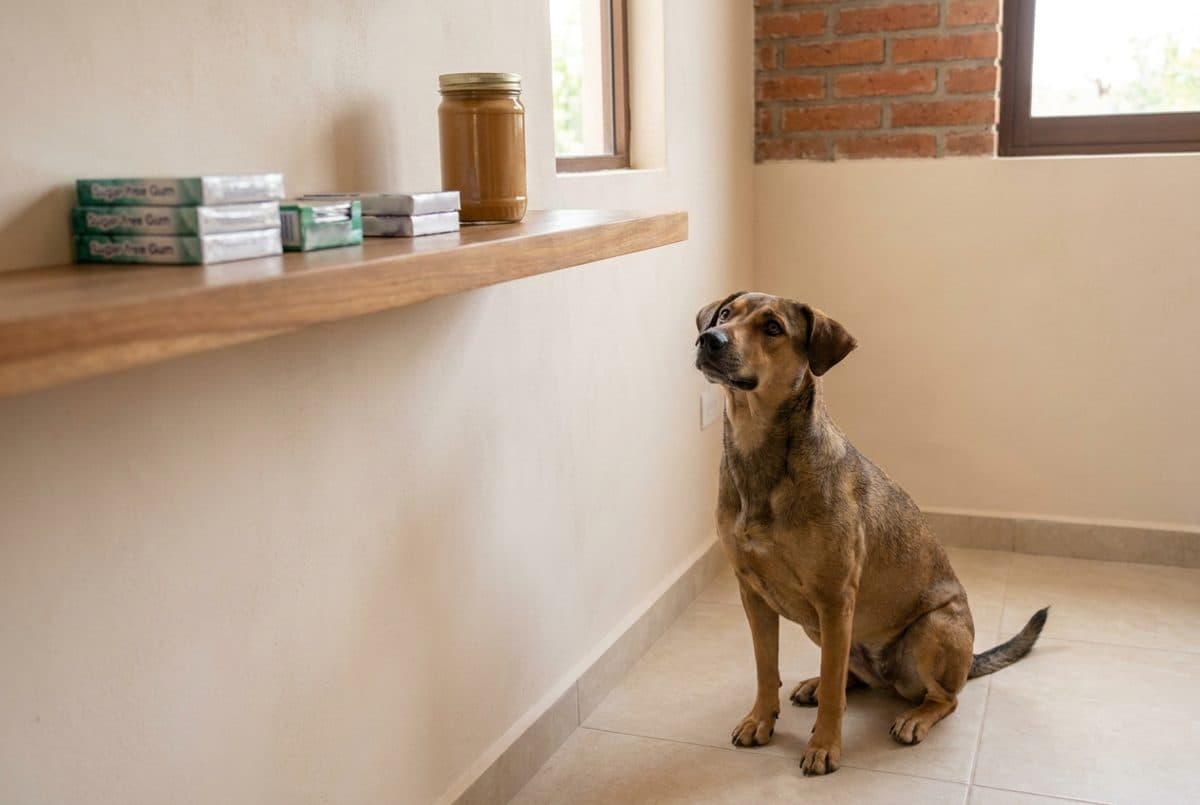
Household cleaners, allium vegetables, alcohol, raw dough, and cannabis produce serious toxic reactions in dogs and cats.
Undiluted bleach causes corrosive chemical burns in the mouth and esophagus, while liquid laundry pods and fabric softener sheets cause severe mouth and stomach ulcers.
Onions, garlic, and chives contain compounds that destroy red blood cells and produce anemia.
Alcoholic beverages and raw yeast dough cause vomiting, loss of coordination, dangerous blood acid shifts, coma, and life-threatening stomach bloat.
Cannabis has no safe dose in pets, and exposure through ingestion or smoke inhalation causes stumbling, tremors, extreme lethargy, urinary incontinence, and seizures.
[S3][S4][S7][S12]When should you go to the vet right away?
- Seizures, muscle tremors, or continuous shaking
- Stumbling gait, loss of coordination, or extreme lethargy
- Difficulty breathing, blue gums, or fluid in the lungs
- Loss of consciousness, collapse, or coma
- Internal hemorrhage, unexplained bleeding, or blood in vomit
- Severe drooling, repeated vomiting, or acute stomach swelling
- Urinary incontinence or sudden excessive thirst
- Extreme oversensitivity to sound and touch
This is general guidance. Always ask your vet.
Checked against sources; veterinary review pending. Information checked on September 28, 2026. Updated on September 28, 2026.
Written with AI help from the cited sources. A second model checked every fact against them.
Sources
- S1 Did Your Cat Eat Something Poisonous | Pet Poison Helpline®
- S2 ASPCA Poison Control | (888) 426-4435 | ASPCA
- S3 People Foods to Avoid Feeding Your Pets | ASPCA
- S4 Poisonous Household Products | ASPCA
- S5 Pet Decontamination at Home: What to Do After Exposure | ASPCA
- S6 Permethrin Poisoning - International Cat Care
- S7 Potentially Dangerous Items for Your Pet | FDA
- S8 Dog Poisoning - Common Dog Poisons - RSPCA - rspca.org.uk
- S9 Cat Poisoning - Common Cat Poisons - RSPCA - rspca.org.uk
- S10 Antifreeze Is Toxic To Dogs | Pet Poison Helpline®
- S11 Mouse Poisons Toxic To Pets | Pet Poison Helpline®
- S12 Marijuana Poses Health Dangers To Pets | Pet Poison Helpline®
- S13 Acetaminophen Is Toxic To Cats | Pet Poison Helpline®
- S14 Ibuprofen Is Toxic To Dogs | Pet Poison Helpline®