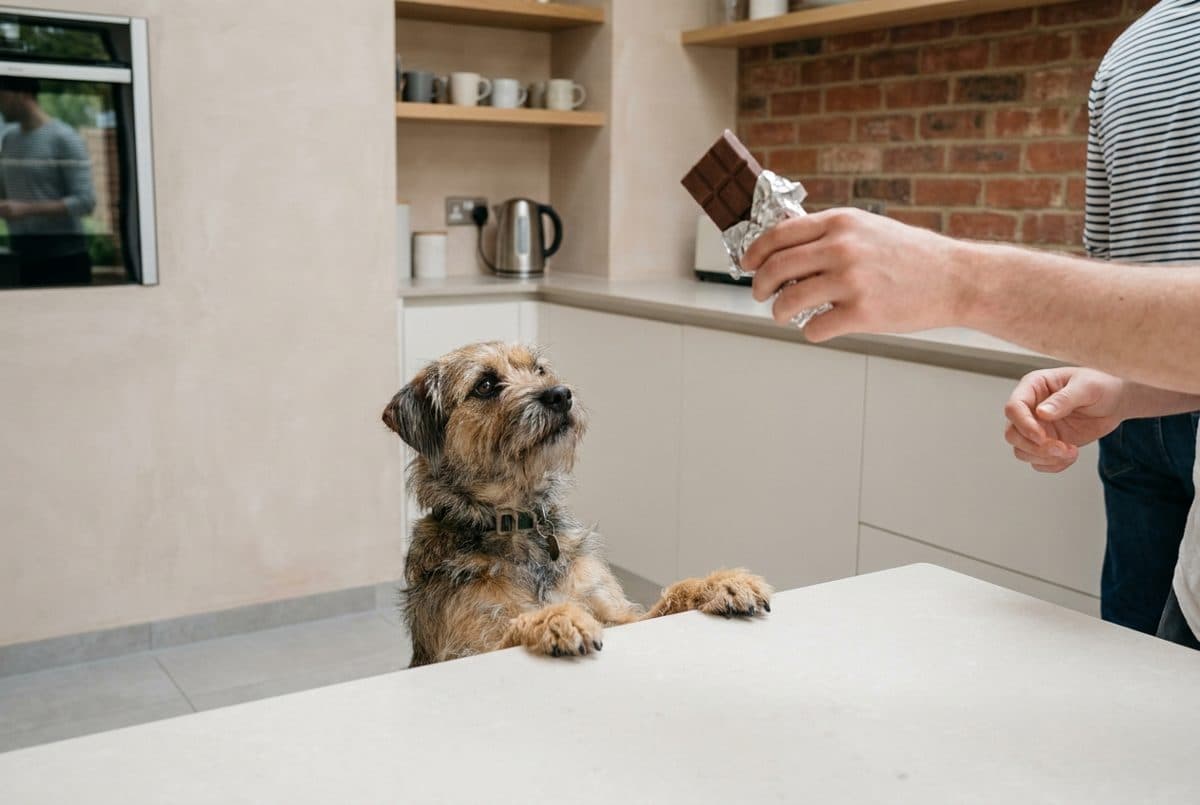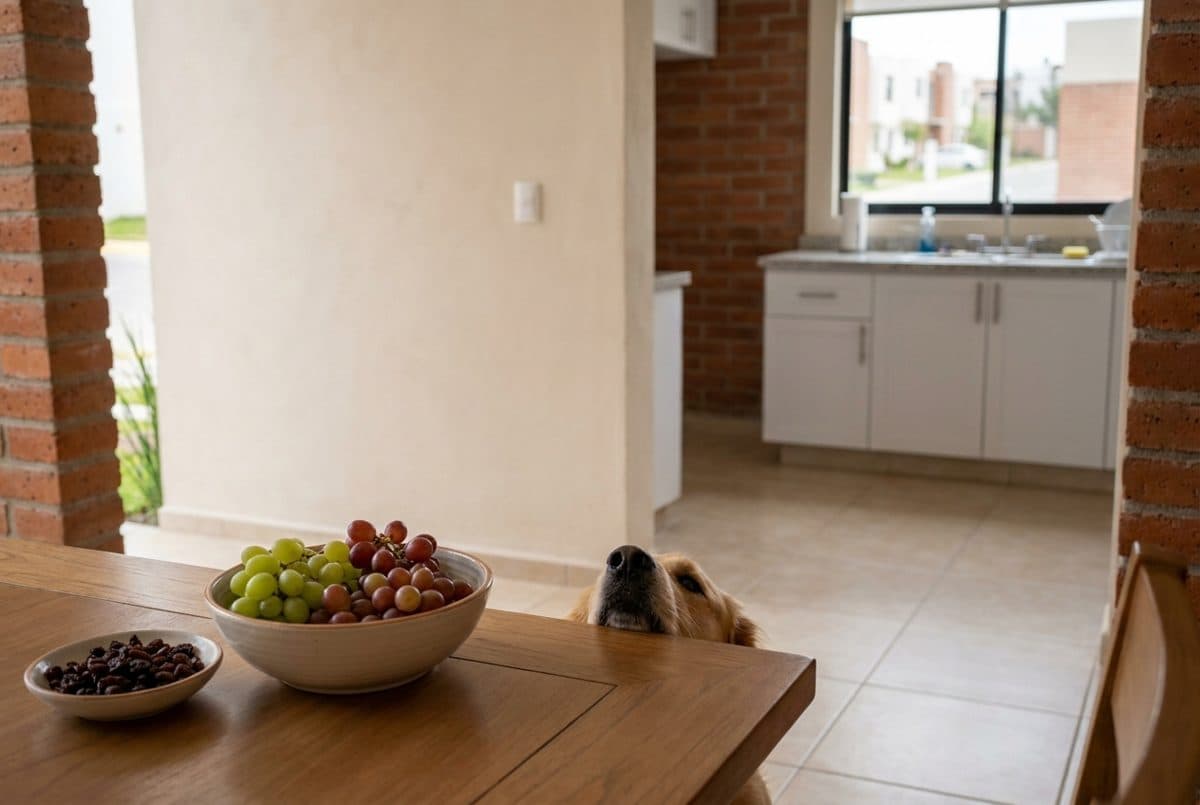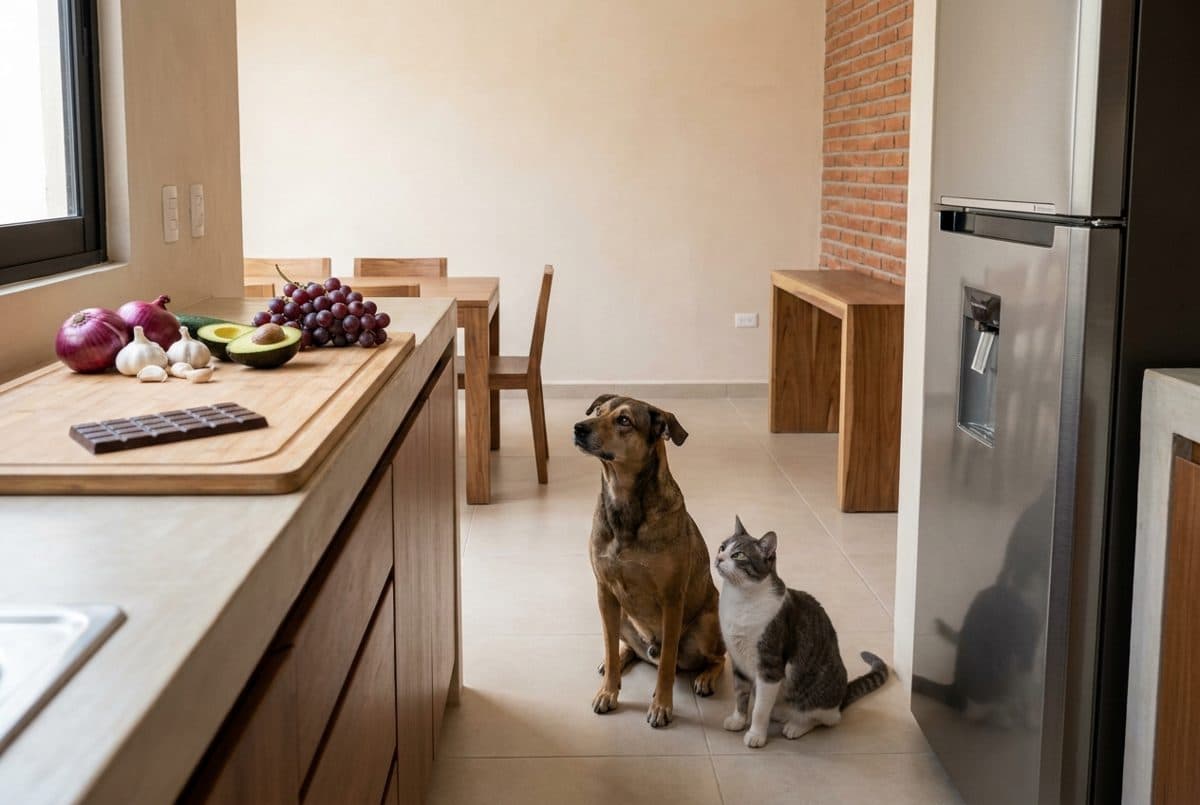
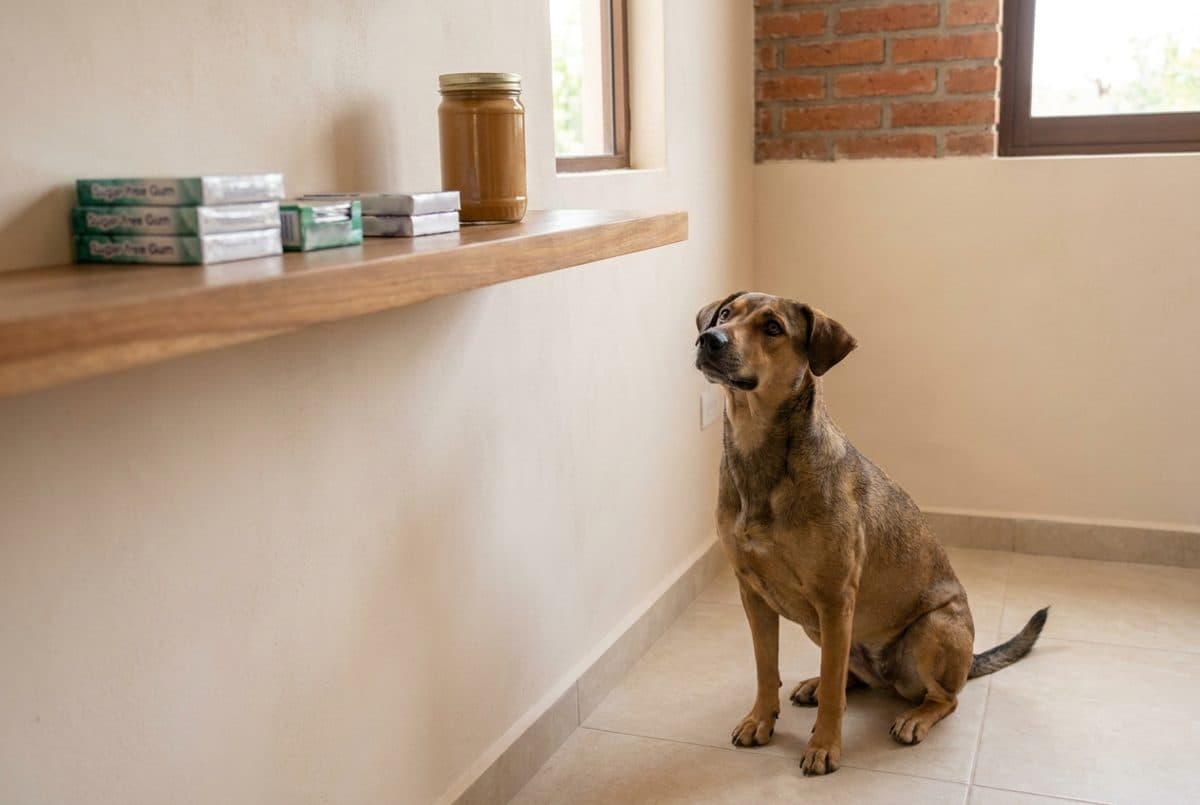
Xylitol is a common sugar substitute that causes life-threatening toxicity in dogs.
This is general guidance. Always ask your vet.
What should you do right now if your dog ate xylitol?
Call your veterinarian and transport your dog to an emergency veterinary clinic immediately.
Your prompt action protects your dog during transit to the clinic. Early medical treatment before clinical signs appear provides the best chance of recovery.
Take the product packaging or ingredient list with you to the clinic. This label helps the veterinary team evaluate the exposure level.
- Call your emergency veterinarian immediately to report the situation.
- Collect the packaging or wrapper of the ingested item to take with you.
- Transport your dog safely to the veterinary clinic without delay.
What are the symptoms of xylitol poisoning in dogs?
Symptoms of xylitol poisoning include vomiting, lethargy, wobbliness, muscle tremors, seizures, and collapse.
Vomiting is frequently the earliest visible sign of toxicity. A rapid drop in blood sugar causes severe weakness, unsteady walking, and loss of coordination.
Severe toxicity can trigger tremors, seizures, and coma. Liver damage can also cause jaundice with yellow gums, persistent vomiting, and spontaneous bruising.
[S1][S2][S3][S4]Why is xylitol dangerous for dogs?
Xylitol stimulates a massive release of insulin that causes severe low blood sugar and acute liver failure in dogs.
A dog absorbs xylitol rapidly into the bloodstream after ingestion. The pancreas releases an insulin surge 3 to 7 times the volume secreted for equal amounts of sugar.
This surge drains glucose from the blood and causes profound hypoglycemia. The compound can also cause acute liver necrosis and liver failure.
[S1][S2][S3][S4]How quickly do signs of xylitol toxicity appear in dogs?
Signs of low blood sugar can appear within 10 to 60 minutes after ingestion, and signs of liver damage can emerge within 24 to 48 hours.
Life-threatening drops in blood sugar can begin within 10 to 15 minutes of exposure. Slowly digested products like chewing gum can delay low blood sugar up to 18 hours.
Liver enzyme elevations often occur within 4 to 12 hours. Physical signs of liver injury typically develop within 24 to 48 hours after ingestion.
[S1][S2][S3][S4][S6]What common products contain xylitol?
Xylitol is common in sugar-free gum, breath mints, certain peanut butters, baked goods, toothpaste, chewable vitamins, and cough syrups.
Food products include diabetic-friendly baked goods, specialty nut butters, gelatin snacks, and low-calorie desserts. A single stick of chewing gum can cause critical illness.
Household items also contain xylitol, including human mouthwashes, nasal sprays, sleep lozenges, and cosmetics. Xylitol concentration varies substantially between products and across flavors of the same brand.
[S1][S2][S3][S4][S5][S6]What alternative names does xylitol use on ingredient labels?
Product labels often identify xylitol as birch sugar, wood sugar, or birch bark extract.
Xylitol is a naturally occurring five-carbon sugar alcohol extracted from birch trees or corn fiber. Always inspect ingredient labels on low-sugar products before sharing foods with your dog.
[S1][S3]What care does a dog receive at the veterinary clinic?
Veterinarians provide intravenous glucose support, fluid therapy, and continuous laboratory monitoring during a hospital stay.
Hospitalization typically lasts 1 to 3 days to stabilize blood sugar and monitor organ values. Early veterinary treatment before clinical signs develop provides a good prognosis.
[S1][S3][S5]When should you go to the vet right away?
- Vomiting or persistent retching
- Lethargy and severe muscle weakness
- Wobbliness or loss of coordination
- Muscle tremors
- Seizures
- Sudden collapse or coma
- Yellow gums or yellow eyes
- Spontaneous bruising or unexplained bleeding
This is general guidance. Always ask your vet.
Checked against sources; veterinary review pending. Information checked on September 28, 2026. Updated on September 28, 2026.
Written with AI help from the cited sources. A second model checked every fact against them.
Sources
- S1 Paws Off Xylitol; It's Dangerous for Dogs | FDA
- S2 Xylitol Toxicosis in Dogs - Toxicology - Merck Veterinary Manual
- S3 Xylitol Poisoning in Dogs | VCA Animal Hospitals
- S4 Xylitol toxicities | Cornell University College of Veterinary Medicine
- S5 Xylitol Poisoning in Dogs | Blue Cross
- S6 Xylitol Is Toxic To Dogs | Pet Poison Helpline®