Everyday foods contain ingredients toxic to dogs and cats. Contact a veterinarian immediately upon suspecting your pet consumed any toxic item.
This is general guidance. Always ask your vet.
What should you do if your pet ate toxic food?
Contact a veterinarian or a veterinary poison control center immediately and travel to the clinic.
Call a veterinary professional the moment you suspect toxic ingestion. Any consumed quantity requires professional medical attention. First aid given at home stabilizes your pet while you travel to the clinic.
Inducing vomiting at home causes severe internal harm. Household substances cause chemical burns, ulcers, and bleeding inside a cat's stomach. Inducing vomiting creates extreme danger when pets ingest sharp items, foreign objects, or corrosive substances, or when animals show lethargy, seizures, or unconsciousness.
- Contact a veterinarian or a veterinary poison control center immediately.
- Keep your pet calm and secure during transit to the clinic.
- Avoid inducing vomiting at home without explicit instructions from a veterinarian.
- Travel directly to the veterinary clinic for medical care.
Why are chocolate and caffeine dangerous to dogs and cats?
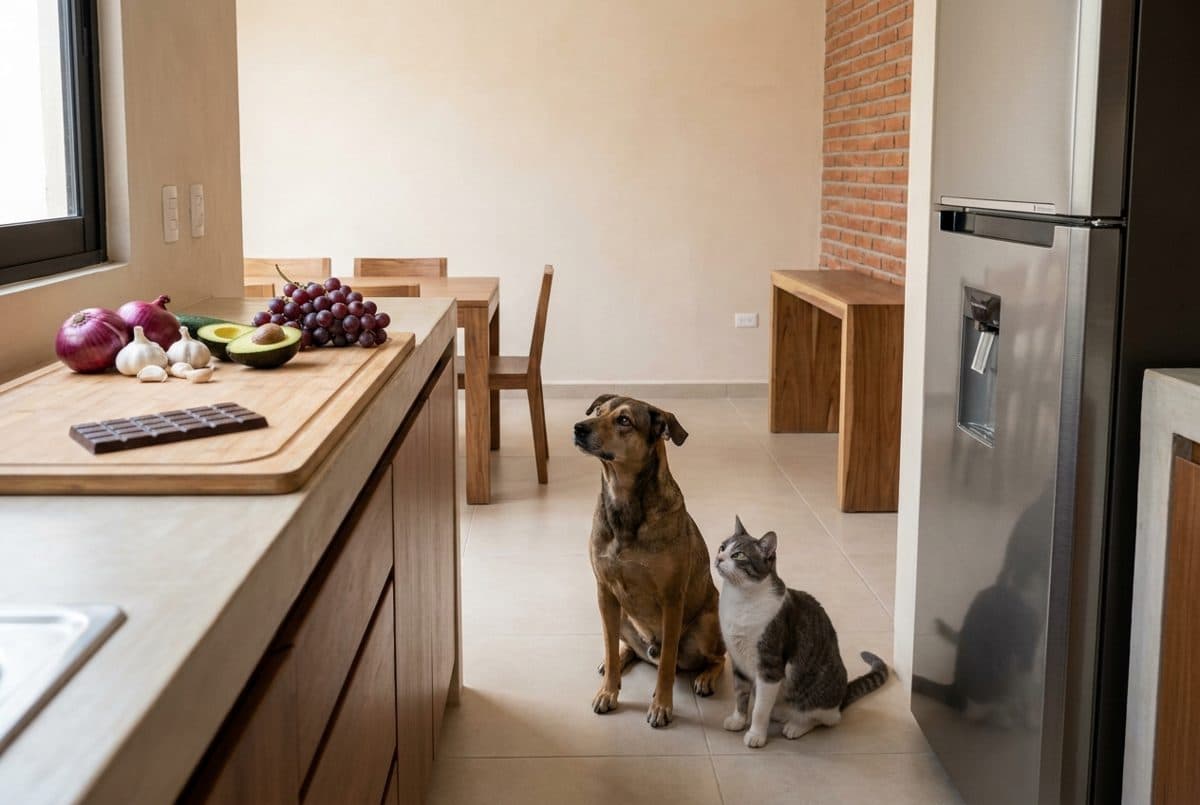
Chocolate and caffeine contain methylxanthines that stimulate your pet's central nervous system and cardiovascular system.
Initial signs of chocolate poisoning appear within 6 to 12 hours after ingestion. These signs include vomiting, diarrhea, restlessness, and excessive thirst. Caffeine ingestion causes hyperactivity, abnormal rapid heart rate, muscle tremors, seizures, and collapse.
[S1][S6]Can dogs eat grapes, raisins, or Rosca de Reyes?
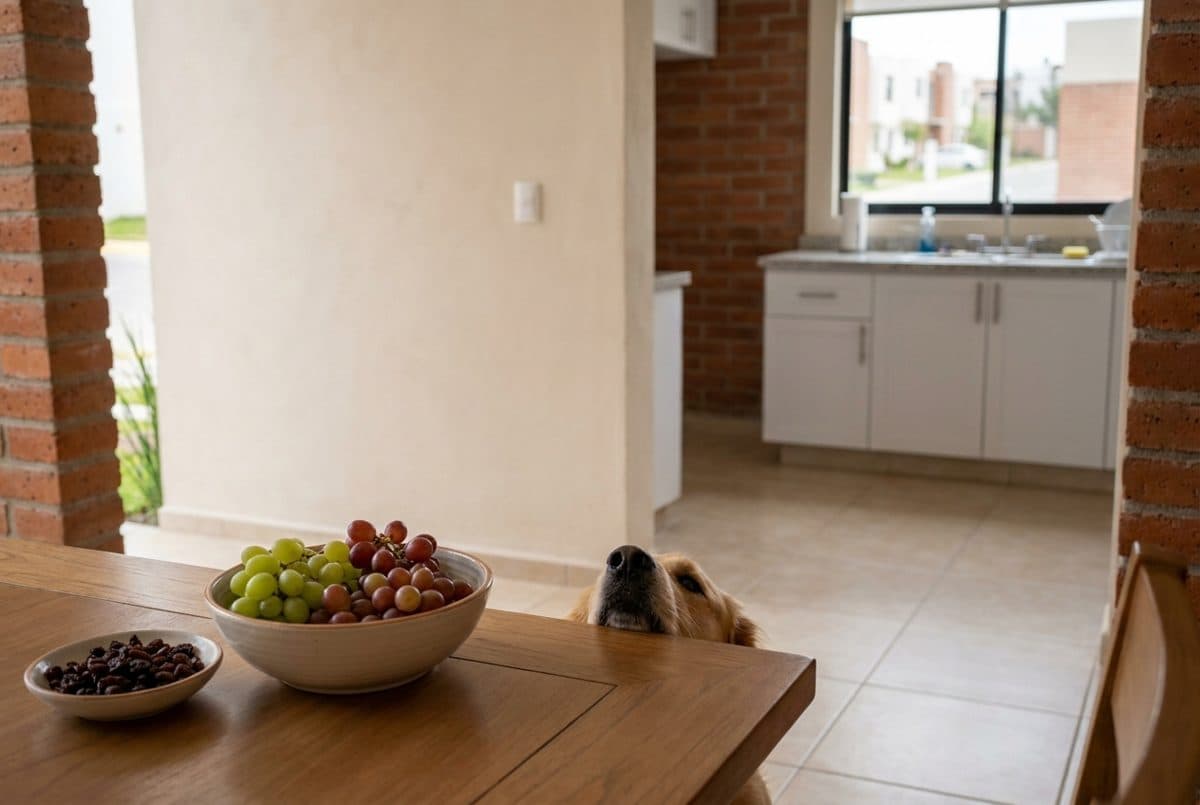
Dogs must avoid grapes, raisins, and Rosca de Reyes because they cause acute kidney failure and foreign body blockages.
Grapes, raisins, and dried currants trigger acute kidney failure in dogs. Tartaric acid is the suspected toxic component causing this renal injury. Signs begin with vomiting or diarrhea within 12 to 24 hours, followed by kidney injury signs within 24 to 48 hours.
Rosca de Reyes bread contains dried fruits and raisins that cause acute canine kidney failure. Swallowed plastic figurines hidden inside the bread cause choking and mechanical gastrointestinal blockages.
[S1][S2][S13]How does xylitol affect dogs?
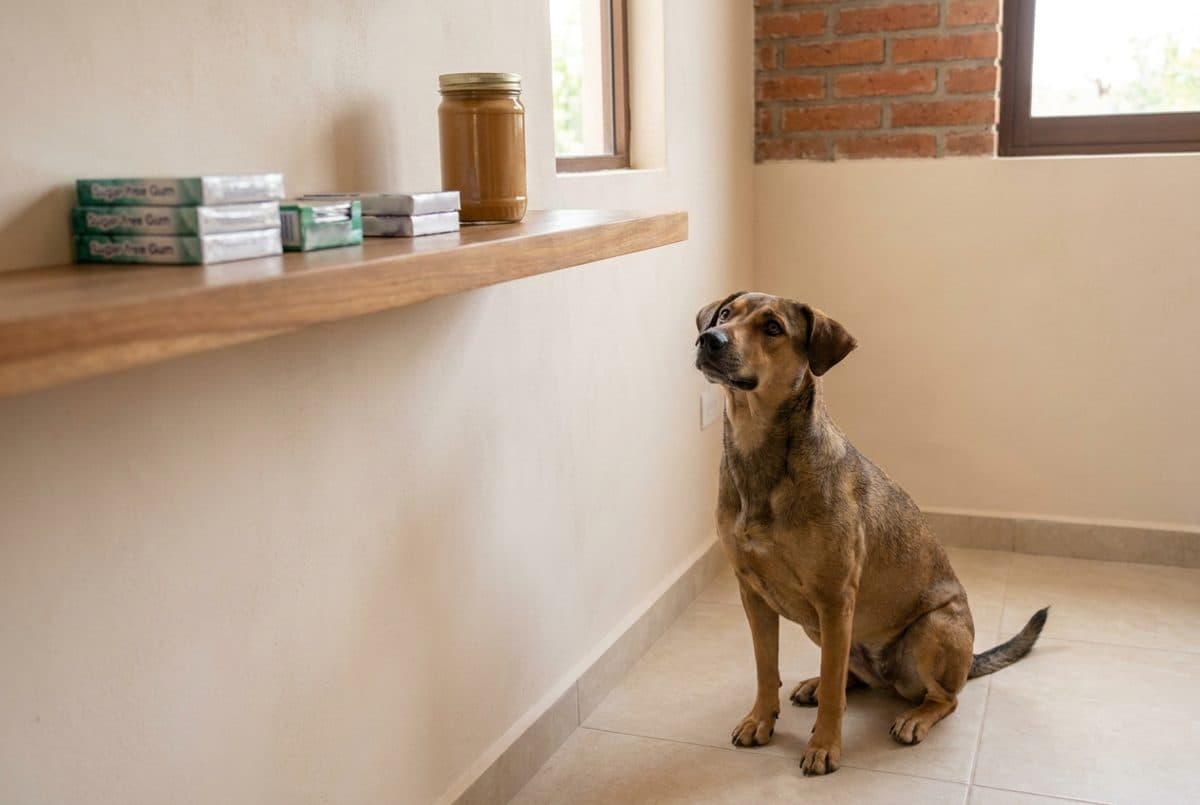
Xylitol triggers a massive release of insulin in dogs that causes severe hypoglycemia, seizures, and liver failure.
Xylitol ingestion stimulates an insulin surge 2.5 to 7 times the level produced by an equal amount of glucose. This sudden drop in blood glucose causes weakness, loss of coordination, seizures, and collapse within 30 to 60 minutes.
Consuming higher amounts of xylitol causes acute liver failure and bleeding disorders 12 to 48 hours later. Seek immediate veterinary care for any xylitol ingestion.
[S1][S9]Why are onions, garlic, and festive bacalao toxic to pets?
Onions, garlic, and bacalao destroy red blood cells and damage vital organs in dogs and cats.
Garlic, onions, chives, and leeks belong to the Allium genus. They contain organosulfur oxidants that destroy red blood cells, causing Heinz body hemolytic anemia. Garlic has 3 to 5 times the toxicity of onions by weight. Cats are especially susceptible to this red blood cell oxidation.
Allium toxicity persists through cooking, boiling, dehydration, and powdering. Festive bacalao combines large quantities of cooked onions and garlic with olive oil and high sodium, risking red blood cell breakdown, acute pancreatitis, and salt toxicosis. Fine fish bones in bacalao also lodge in the throat, pierce the esophagus, or puncture intestines.
[S1][S4][S7][S11][S12]Are fatty foods, tamales, and pan de muerto safe for pets?
High-fat foods and Mexican holiday dishes cause acute pancreatitis and severe digestive tract blockages.
High-fat table scraps trigger pancreatitis in dogs. In this condition, digestive enzymes activate prematurely inside the pancreas and digest the organ tissue. Dogs with acute pancreatitis often adopt a praying position, lowering their head and chest while keeping their hindquarters raised to relieve severe abdominal pain.
Tamale dough contains high amounts of lard, and pan de muerto contains high levels of butter and refined sugars, provoking pancreatitis and acute digestive upset. Corn husks on tamales are completely indigestible and cause mechanical intestinal obstructions that require surgical extraction.
[S1][S11][S12][S13]What other foods cause emergencies in dogs and cats?
Raw yeast dough, alcohol, cooked bones, macadamia nuts, avocado pits, and dairy cause serious poisoning and internal trauma.
Unbaked yeast bread dough expands inside the warm stomach, causing gastric distention and bloat. Active yeast fermentation in the stomach also produces ethanol, causing alcohol poisoning. Alcohol ingestion causes rapid intoxication, severe blood sugar drops, hypothermia, metabolic acidosis, respiratory depression, and coma.
Cooked bones turn brittle and splinter, causing fractured teeth, gum lacerations, choking, and intestinal punctures with peritonitis. Avocado pits cause mechanical intestinal blockages in dogs, while avocado persin causes mild digestive upset in dogs and cats. Macadamia nuts cause weakness, hind limb stiffness, tremors, depression, vomiting, and fever in dogs within 12 hours. Weaned cats lack lactase enzymes, so cow or goat milk causes loose stools, abdominal cramping, and diarrhea.
[S1][S3][S8][S10][S12]When should you go to the vet right away?
- Seizures or sudden collapse
- Loss of consciousness or severe lethargy
- Muscle tremors or abnormal hyperactivity
- Abnormal rapid heart rate
- Loss of coordination or acute weakness
- Respiratory depression or breathing distress
- Praying position with lowered chest and raised hindquarters
- Repeated vomiting or diarrhea
- Excessive thirst combined with restlessness
- Choking or bleeding from the mouth
This is general guidance. Always ask your vet.
Checked against sources; veterinary review pending. Information checked on September 28, 2026. Updated on September 28, 2026.
Written with AI help from the cited sources. A second model checked every fact against them.
Sources
- S1 People Foods to Avoid Feeding Your Pets | ASPCA
- S2 Can Dogs Eat Grapes? Grape Toxicity in Dogs
- S3 Bread Dough Is Toxic To Dogs | Pet Poison Helpline®
- S4 Garlic Is Toxic To Dogs | Pet Poison Helpline®
- S5 Guides On Pet Safety | Pet Poison Helpline®
- S6 Chocolate Toxicosis in Animals - Toxicology - Merck Veterinary Manual
- S7 Garlic and Onion (Allium spp) Toxicosis in Animals - Toxicology - Merck Veterinary Manual
- S8 Macadamia Nut Toxicosis in Dogs - Toxicology - Merck Veterinary Manual
- S9 Xylitol Toxicosis in Dogs - Toxicology - Merck Veterinary Manual
- S10 Avocado (Persea spp) Toxicosis in Animals - Toxicology - Merck Veterinary Manual
- S11 Pancreatitis in Dogs | VCA Animal Hospitals
- S12 Why Bones Are Not Safe for Dogs | VCA Animal Hospitals
- S13 Ingestion of Foreign Bodies in Dogs | VCA Animal Hospitals