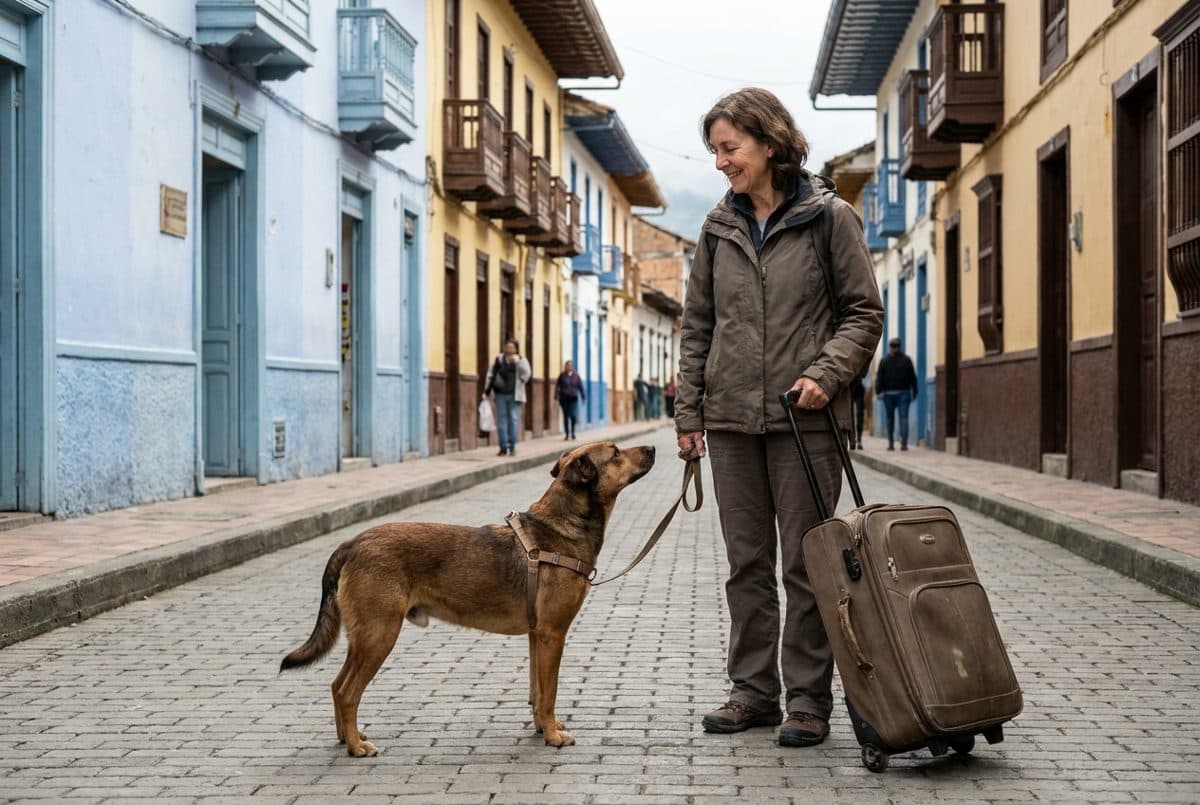
The Colombian Agricultural Institute (ICA) regulates the entry of domestic dogs and cats under Resolution No. 100164. You must prepare official veterinary records, register online in SISPAP, and clear a physical health inspection at the border.
This is general guidance. Always ask your vet.
What health certificate does my pet need to enter Colombia?
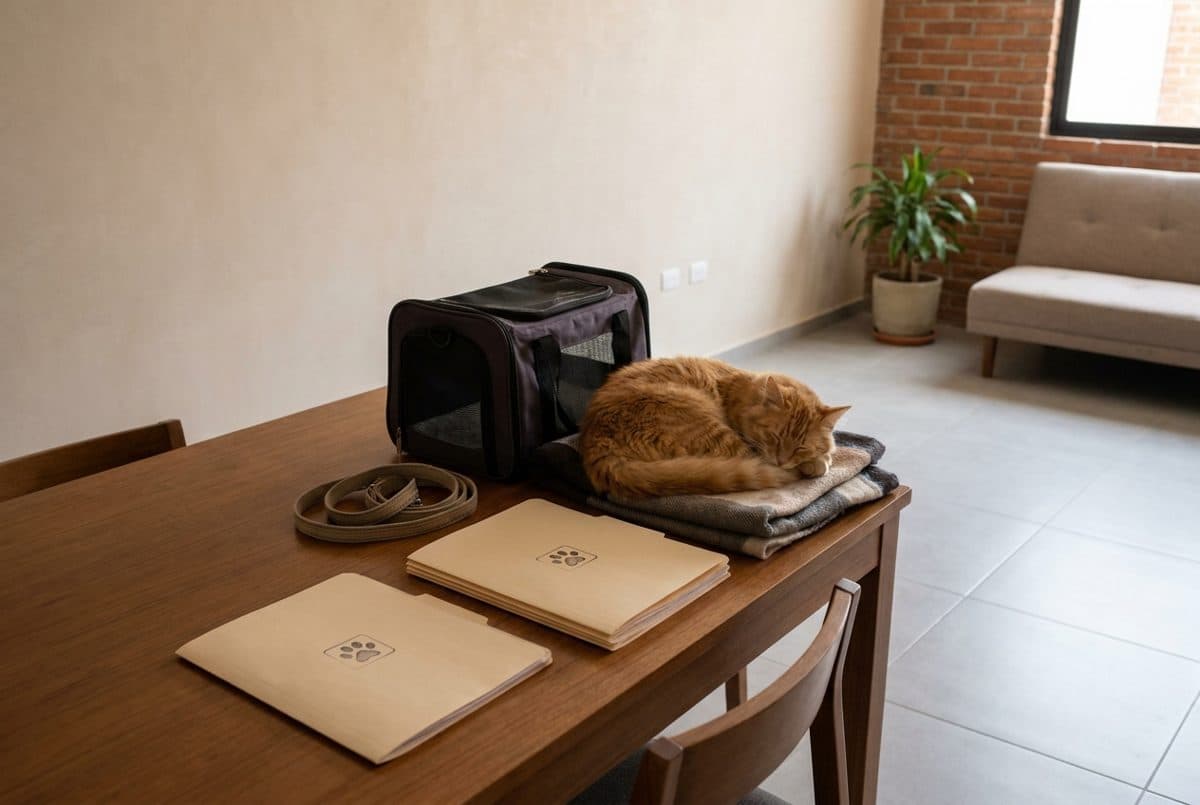
You must present an original veterinary health certificate issued or endorsed by your departure country's official sanitary authority within 10 calendar days before entering Colombia.
The Colombian Agricultural Institute (ICA) enforces this rule under Resolution No. 100164. The certificate requires an official signature and stamp from your country's agricultural authority. ICA exempts companion dogs and cats from zoosanitary import permits, apostilles, and consular legalization.
An electronic microchip is optional for entry into Colombia. If your pet has a microchip, your veterinarian must record the identification number on the health certificate.
- Schedule an examination with an authorized veterinarian within 10 calendar days of travel.
- Ensure the veterinarian records your pet's microchip number on the certificate if present.
- Obtain the official signature and stamp from your origin country's sanitary authority.
What vaccinations do dogs and cats need for Colombia?
Colombia requires an active rabies vaccine administered at least 21 days before travel for primary doses, along with core species vaccines.
Puppies and kittens must reach at least 15 weeks of age to enter Colombia. This standard accounts for a minimum rabies vaccination age of 12 weeks plus a mandatory 21-day post-vaccination waiting period. Booster vaccines remain valid according to manufacturer guidelines and must display the product name, batch number, application date, and expiration date.
Dogs require valid vaccination against canine distemper, canine hepatitis, parvovirus, coronavirus, parainfluenza, and leptospirosis. For cats, ICA Resolution No. 100164 requires vaccines against rabies, feline panleukopenia, feline viral rhinotracheitis, and feline calicivirus, while the ICA ABC entry guide lists rabies and feline panleukopenia.
If your departure country does not administer a specific non-rabies vaccine, present an official statement from that country's sanitary service to enter without home quarantine.
[S1][S2][S3]When does my pet need parasite treatment before entering Colombia?
Your veterinarian must administer authorized internal and external antiparasitic treatments and document the product names, active ingredients, and application dates.
Your attending veterinarian selects internal and external parasite treatments authorized in your origin country. The health certificate must detail the commercial product name, active ingredient, and date of administration.
Official Colombian guidance contains differing treatment windows. ICA Resolution No. 100164 specifies parasite treatment within 60 calendar days before travel, while ICA informational summaries specify within 30 calendar days before travel.
[S1][S2][S3]How do I register my pet in SISPAP before traveling to Colombia?
You must register as a user in ICA's SISPAP online portal before your trip to submit your sanitary inspection request.
Complete your registration on the SISPAP platform before boarding your flight. When traveling with a dog and a cat together, submit a separate inspection application for each species.
ICA documentation contains differing pet limits per application. The online import portal accepts up to 10 pets of the same species per request, while ICA's ABC travel guide sets a limit of 5 pets of the same species. Bringing 5 or more pets under a single owner triggers commercial cargo classification under ICA Resolution No. 100164.
- Create a user account on the official ICA SISPAP portal before departure.
- Submit an individual inspection request for each pet species traveling with you.
- Enter your travel details and upload your pet's sanitary documentation.
What happens during the ICA border inspection in Colombia?
An official ICA veterinarian examines your pet's physical health, verifies your paperwork, and issues an entry certificate upon payment of the inspection fee.
Present your pet and paperwork at the airport, seaport, or land border ICA quarantine office. Your pet must be free of fresh wounds, active surgical sutures, acute lesions, and signs of transmissible disease. Under ICA Resolution 00034487 of 2025, you pay an official inspection fee of 78,200 COP per pet using PSE online or a credit or debit card on site. ICA inspection points reject cash.
Paperwork errors allow a carrier retention period of up to 5 calendar days to correct documents at your expense. If the health certificate is absent or expired with valid vaccinations, ICA orders a 15-day home quarantine with an official supervision fee of 606,450 COP. Unresolved paperwork results in mandatory re-shipment to your origin country.
- Go to the ICA quarantine office immediately upon arrival in Colombia.
- Present your original veterinary certificate and vaccination card for examination.
- Allow the official veterinarian to conduct a clinical inspection of your pet.
- Pay the 78,200 COP inspection fee using a card or PSE online payment.
- Receive your official Certificado de Inspección Sanitaria to enter the country.
What rules apply when returning to Mexico or departing Colombia?
SENASICA requires an original health certificate issued within 15 calendar days before arrival in Mexico alongside clean pet carriers.
Mexico's agricultural health authority, SENASICA, requires an original health certificate issued by a licensed veterinarian within 15 calendar days before arrival in Mexico. The certificate must confirm rabies vaccination and internal and external parasite treatments. SENASICA requires pets to travel in clean carriers empty of beds, blankets, toys, or treats, which border inspectors confiscate and destroy.
Departing Colombia requires a health certificate from a private veterinarian registered with COMVEZCOL issued within 5 calendar days before travel. ICA issues an export certificate valid for 5 calendar days. All dogs under 12 months departing Colombia must carry a 15-digit HDX or FDX-B microchip.
[S1][S4][S6]What rules apply to specific dog breeds and travel crates in Colombia?
Colombia requires leashes and muzzles in public for 14 specific dog breeds, and airlines enforce IATA standards for travel crates.
Colombia's Police Code (Law 1801 of 2016) classifies 14 breeds, including American Pit Bull Terriers, Rottweilers, and Dobermans, as special management breeds. You must keep these dogs and their crossbreeds on a leash and muzzled in public areas throughout Colombia.
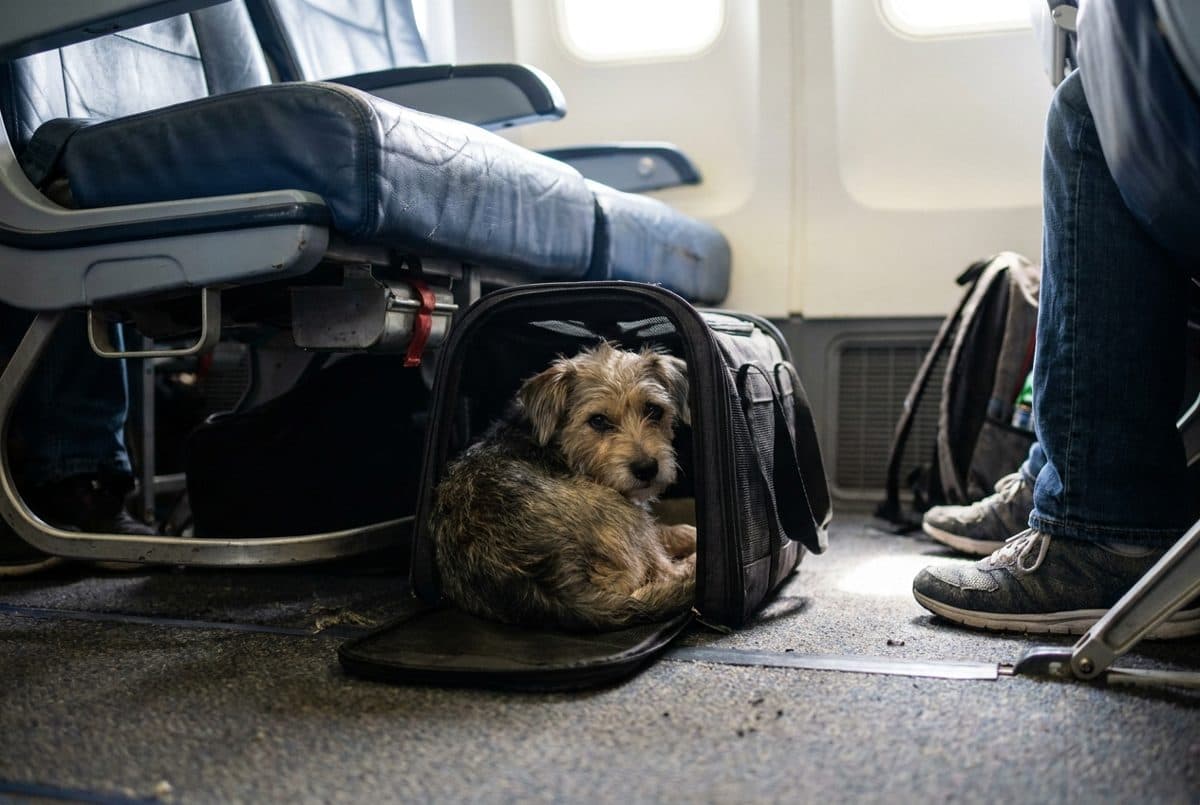
ICA applies regular companion animal health rules to all domestic pets. ICA does not grant special health exemptions for emotional support or service animals. For air travel, IATA Live Animals Regulations specify well-ventilated containers fitting under the cabin seat, typically with a 10 kg maximum weight limit for pet and carrier combined.
[S1][S4][S10]When should you go to the vet right away?
- Fresh bleeding or open wounds
- Active or opening surgical sutures
- Acute skin lesions
- Visible signs of contagious infections or parasites
This is general guidance. Always ask your vet.
Checked against sources; veterinary review pending. Information checked on September 30, 2026. Updated on September 30, 2026.
Written with AI help from the cited sources. A second model checked every fact against them.
Sources
- S1 Resolución No. 100164 del 07 de julio de 2021
- S2 ABC para entrar a Colombia con tu mascota
- S3 INGRESO DE PERROS Y GATOS A COLOMBIA
- S4 INGRESO Y SALIDA DE ANIMALES DE COMPAÑÍA - MASCOTAS (PERROS Y GATOS)
- S5 Resolución ICA 00034487 de 2025 - Actualización de Tarifas
- S6 Requisitos y procedimientos para viajar a México con tu mascota | Servicio Nacional de Sanidad, Inocuidad y Calidad Agroalimentaria | Gobierno | gob.mx
- S10 IATA - Traveler's Pet Corner