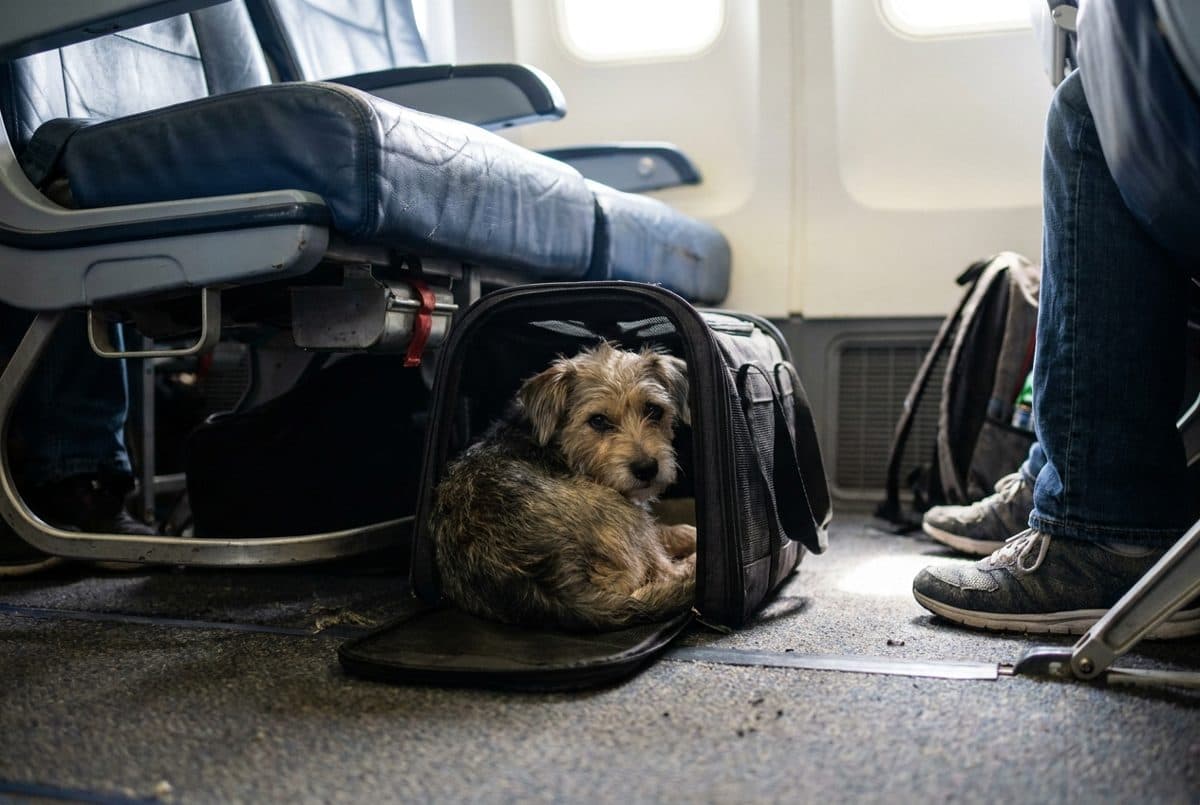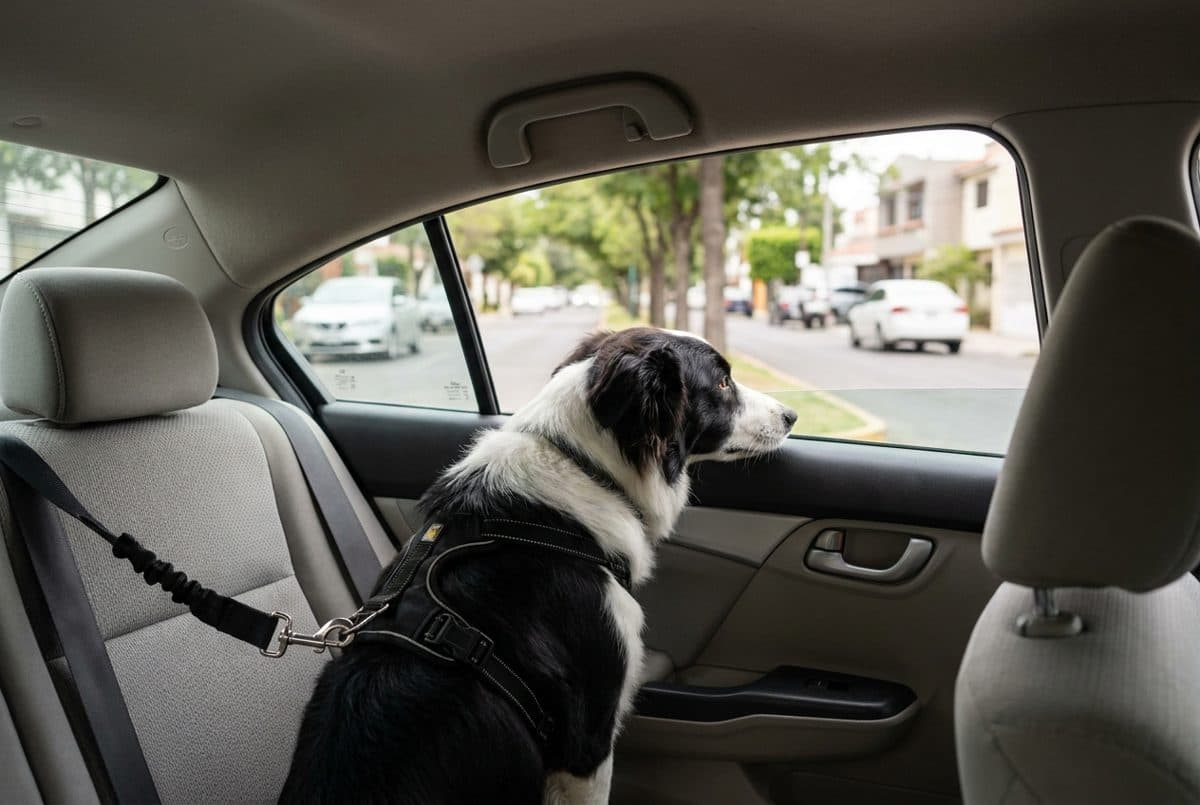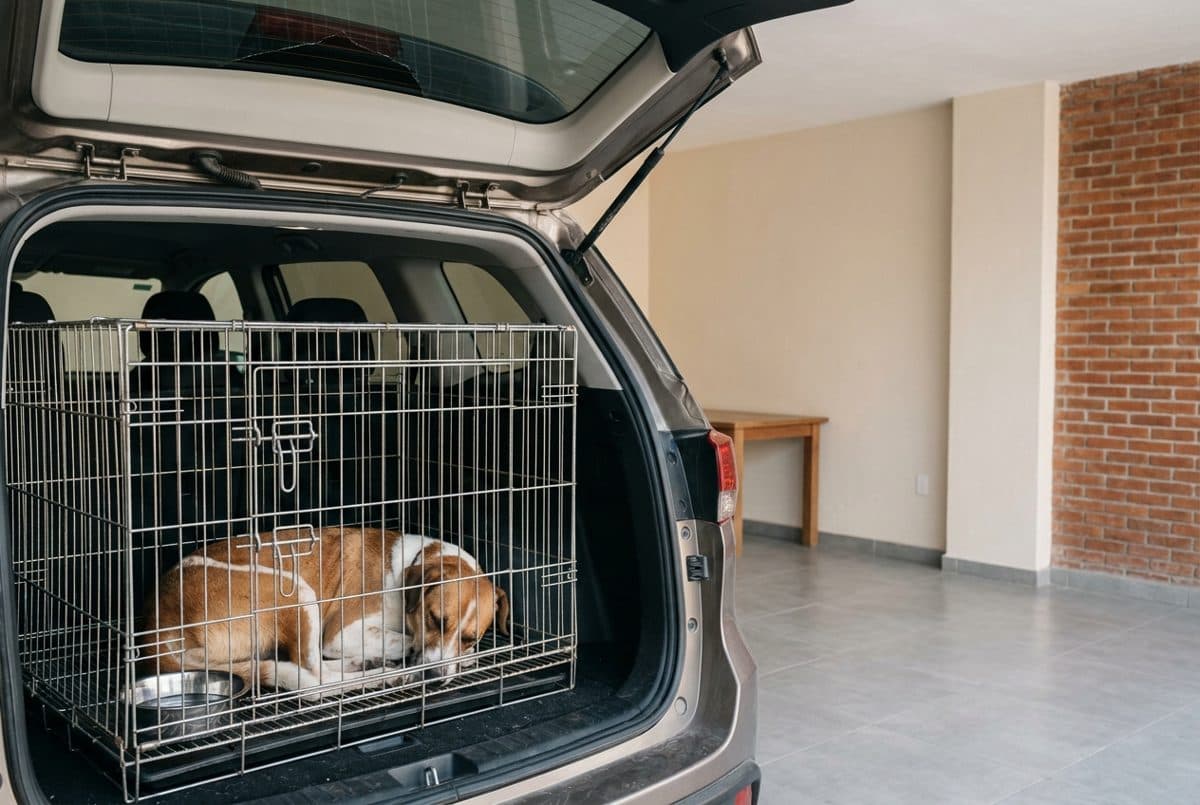
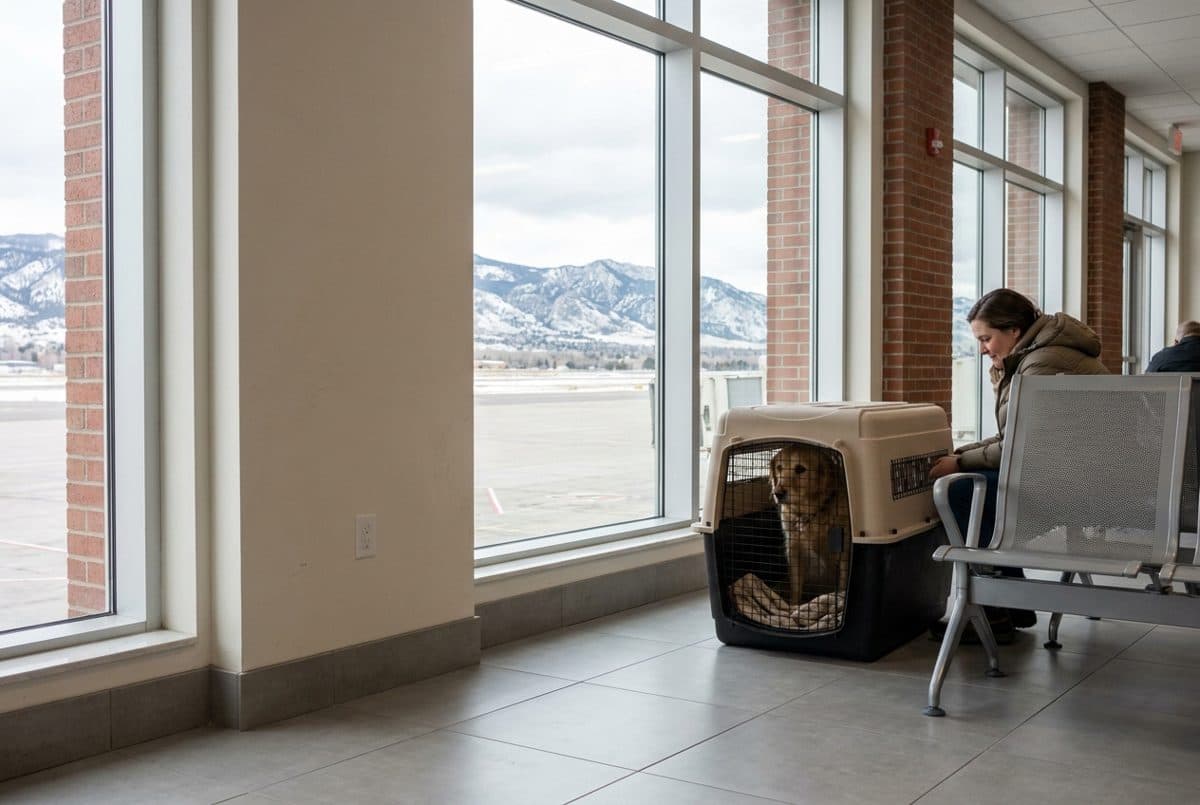
Entering Canada with your dog or cat requires meeting federal animal health standards set by the Canadian Food Inspection Agency. Canada Border Services Agency officers verify your veterinary paperwork and inspect your pet at the port of entry.
This is general guidance. Always ask your vet.
What rabies vaccine documents does my dog or cat need to enter Canada?
The Canadian Food Inspection Agency requires a valid rabies vaccination certificate signed by a licensed veterinarian for dogs and cats three months of age or older.
Dogs must be at least three months of age when receiving their rabies vaccine. Cats three months of age or older must also have an active rabies certificate. The certificate must state your name, your pet's age, breed, sex, colour, and weight, plus the microchip or tattoo number when present. It must also record the vaccination date, the vaccine trade name, and the vaccine lot number.
A licensed veterinarian must sign the rabies certificate physically or digitally. The certificate must be written in English or French. For certificates in Spanish, you must obtain a translation completed by a certified translator or accompanied by a sworn affidavit before a notary public. Translations done by you or a family member are invalid.
The certificate must state an expiration date. When no expiry date appears, the Canadian Food Inspection Agency considers the vaccine valid for exactly one year from the vaccination date. The agency also accepts a European Union Pet Passport containing all required vaccination details. Personal companion pets have no post-vaccination waiting period before entering Canada.
[S1][S2]Can puppies and kittens under three months travel to Canada?
Puppies and kittens under three months of age can enter Canada without a rabies vaccine if you present written veterinary proof of age.
The Canadian Food Inspection Agency exempts puppies and kittens under three months of age from rabies vaccination. You must provide a written certificate from a licensed veterinarian confirming your pet's birth date and age.
[S1][S2]Does Canada require a microchip, health certificate, or rabies titer test for pets?
The Canadian Food Inspection Agency exempts personal companion dogs and cats from electronic microchips, general health certificates, and rabies titer tests.
Personal companion pets entering Canada do not need a microchip or tattoo. If your pet has a microchip, the Canadian Food Inspection Agency recommends the ISO standard 11784/11785. You must bring a compatible scanner if your pet carries a non-ISO chip. Dogs under eight months entering for commercial purposes such as resale, show, breeding, or adoption must have an electronic microchip.
[S1][S2]What parasite treatments does Canada require for dogs and cats?
The Canadian Food Inspection Agency does not require routine internal deworming or external parasite treatments for personal pets entering Canada.
A licensed veterinarian must examine your pet and prescribe appropriate parasite prevention products based on individual health and your travel destination. All travelling pets must appear clinically healthy and meet the humane transport standards of the Health of Animals Regulations.
[S1][S5]What happens during border inspection when arriving in Canada with a pet?
Canada Border Services Agency officers perform visual inspections and check veterinary paperwork at Canadian ports of entry for an administrative fee.
Travellers arriving from Mexico pay a Canada Border Services Agency documentary inspection fee of CAD $30.00 to $37.00 plus taxes for the first pet. Each additional pet in the same shipment incurs a fee of approximately CAD $5.00 plus tax. Border officers refer animals with potential health issues or documentation errors to a Canadian Food Inspection Agency veterinarian, which incurs separate professional inspection charges.
Commercial dogs intended for resale, fostering, or adoption from countries not classified by the Canadian Food Inspection Agency as rabies-free face strict prohibitions or quarantine conditions.
- Present your pet and rabies documents to the Canada Border Services Agency officer upon arrival.
- Pay the standard documentary inspection fee.
- If paperwork is missing, receive a conditional entry order from the officer under paragraph 12(1)(b) of the Health of Animals Regulations.
- Pay the non-compliance inspection fee of approximately CAD $65.00 to $68.00 for the first animal.
- Have a veterinarian vaccinate your pet against rabies within the period specified on the order at your expense.
- Submit proof of the rabies vaccination to a local Canadian Food Inspection Agency Animal Health Office.
What requirements apply when returning to Mexico with your pet?
SENASICA exempts dogs and cats arriving directly from Canada from health certificates and vaccination cards, conducting a mandatory physical inspection at the Mexican port of entry.
SENASICA personnel inspect your pet to confirm the absence of infectious disease signs, fresh wounds, and ectoparasites. Inspectors spray the travel carrier with disinfectant and confiscate pet beds, blankets, absorbent pads, newspapers, and ruminant treats.
If inspectors find ectoparasites during inspection, you must hire a private veterinarian in Mexico at your expense to apply treatment before release.
Dogs entering Mexico after travelling through the United States must have a screwworm inspection certificate signed by a USDA-accredited veterinarian within five days of travel. Cats returning through the United States do not need a screwworm certificate.
[S5]This is general guidance. Always ask your vet.
Checked against sources; veterinary review pending. Information checked on September 30, 2026. Updated on September 30, 2026.
Written with AI help from the cited sources. A second model checked every fact against them.