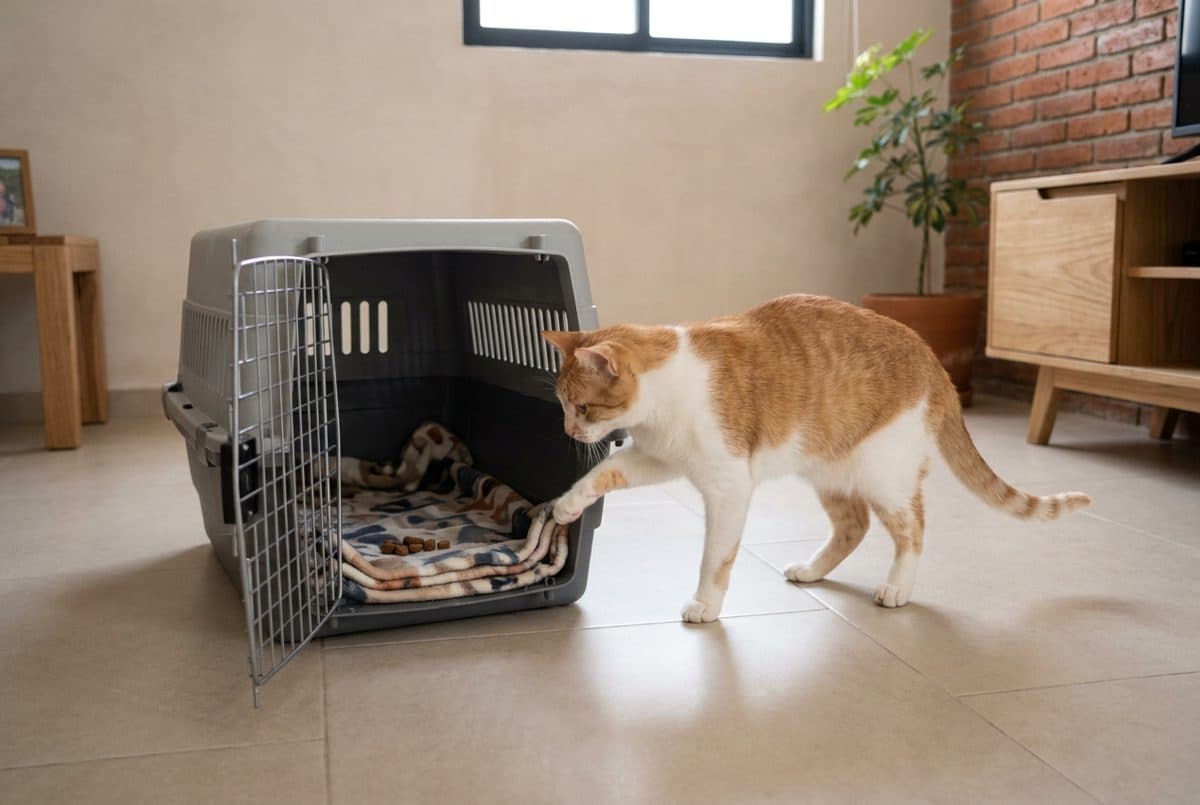
A travel carrier keeps your dog or cat secure during trips and clinic visits. Setting up the carrier as a regular household resting spot removes fear before travel begins.
This is general guidance. Always ask your vet.
What size carrier does your pet need?
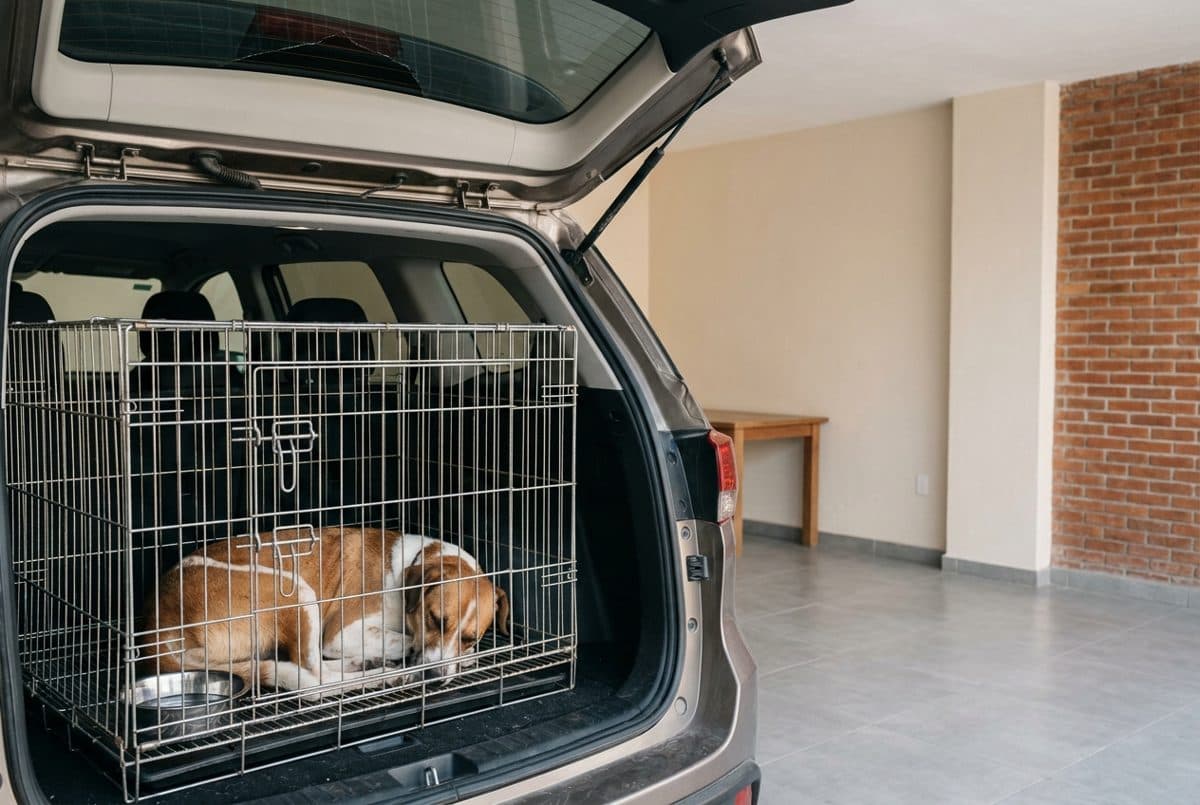
Your pet needs a carrier that allows standing erect, turning around normally, and lying down in a natural position.
Measure your pet while standing and add the thickness of the floor mat or bedding to find the necessary height. PetMD recommends at least 2 inches (5 cm) of clearance above your pet's head when sitting erect inside the crate.
For a growing puppy, PetMD advises buying an adult-sized crate fitted with a divider panel. An oversized crate allows a puppy to eliminate in one corner and sleep in another, which disrupts house training.
Cat carriers require a snug interior. International Cat Care notes that cats slide and lose balance during vehicle turns inside excessively large carriers.
[S1][S3][S5][S6][S9][S10]What are the official airline crate requirements for pets?
The International Air Transport Association sets container requirements based on four specific body measurements of your animal.
Under IATA Container Requirement 1, measurement A is nose tip to tail base, B is ground to elbow, C is shoulder width, and D is ground to ear tip or head top. The minimum container length is A plus half of B, width is twice C, and height is D plus bedding thickness. Snub-nosed breeds require containers 10 percent larger than these standard dimensions.
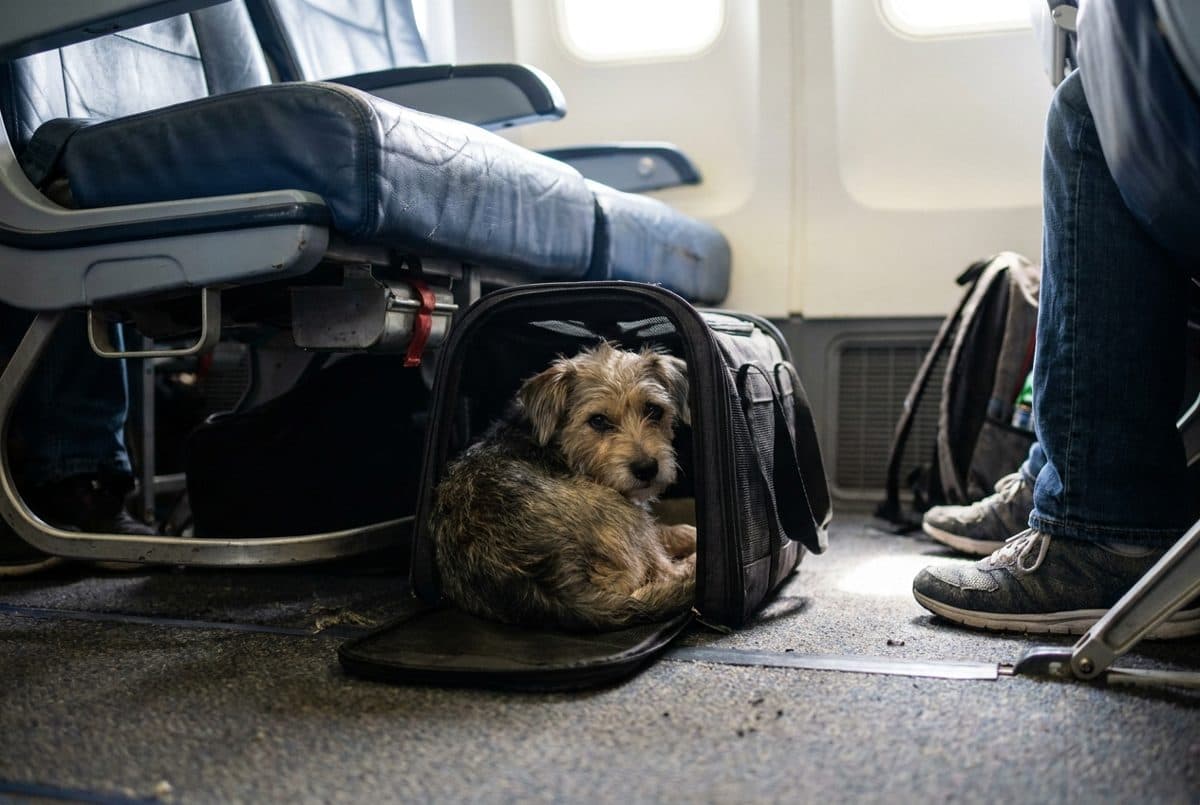
IATA requires a green Live Animals label and upright orientation arrows on at least two opposite sides. Soft-sided cloth bags meeting size limits are permitted for in-cabin flights without spacer devices or fixed bowls. Up to two compatible adult pets weighing up to 14 kg each may travel in one crate. Animals over 14 kg require individual crating.
[S1]How do you prepare the carrier at home?
Leave the carrier open continuously in your main living space so your pet explores it during daily routines.
Keeping the carrier accessible prevents pets from associating it exclusively with veterinary trips. International Cat Care notes that cats feel stress when leaving familiar territory, while dogs follow social routines and pack denning habits.
All veterinary and welfare guidelines stress that you must never use a crate or carrier for disciplinary punishment.
- Place the carrier in an active living area of your home.
- Secure the crate door open so it cannot swing shut and startle your animal.
- Place an unwashed blanket or an item of your clothing inside to create a familiar home scent.
- Rub a soft cloth around your cat's cheeks to gather natural facial pheromones and wipe it along the carrier corners.
- Spray synthetic calming pheromones on the bedding 15 to 30 minutes before your cat enters.
How do you teach your pet to enter the carrier voluntarily?
Feed your pet daily meals near and inside the carrier to create a strong positive association with the space.
Offer high-value treats, toys, and praise without pushing or forcing your pet inside.
For hard plastic carriers, FelineVMA recommends removing the top shell initially so your cat rests on the blanketed bottom tray before you add the roof.
- Place your pet's food bowl right outside the entrance of the carrier.
- Move the bowl progressively deeper inside across successive feeding sessions.
- Guide cats inside with food lures or a target stick tipped with a lickable treat.
- Praise and reward your pet immediately whenever it steps inside on its own.
When can you start closing the carrier door?
Close the door once your pet eats calmly inside, keeping it shut for a few seconds before reopening.
Reopen the door before any signs of agitation or distress occur.
Acclimation speed varies by animal. Puppy and dog crate acclimation typically takes several days to several weeks. Cat carrier training ranges from a few days for fast learners to several weeks or months.
- Latch the door for two to three seconds while your pet eats inside.
- Open the door before your pet shows any sign of restlessness.
- Increase the door closure time across calm training repetitions.
- Lift and carry the occupied carrier around your home for short periods while giving rewards.
How do you transport your pet in the carrier safely?
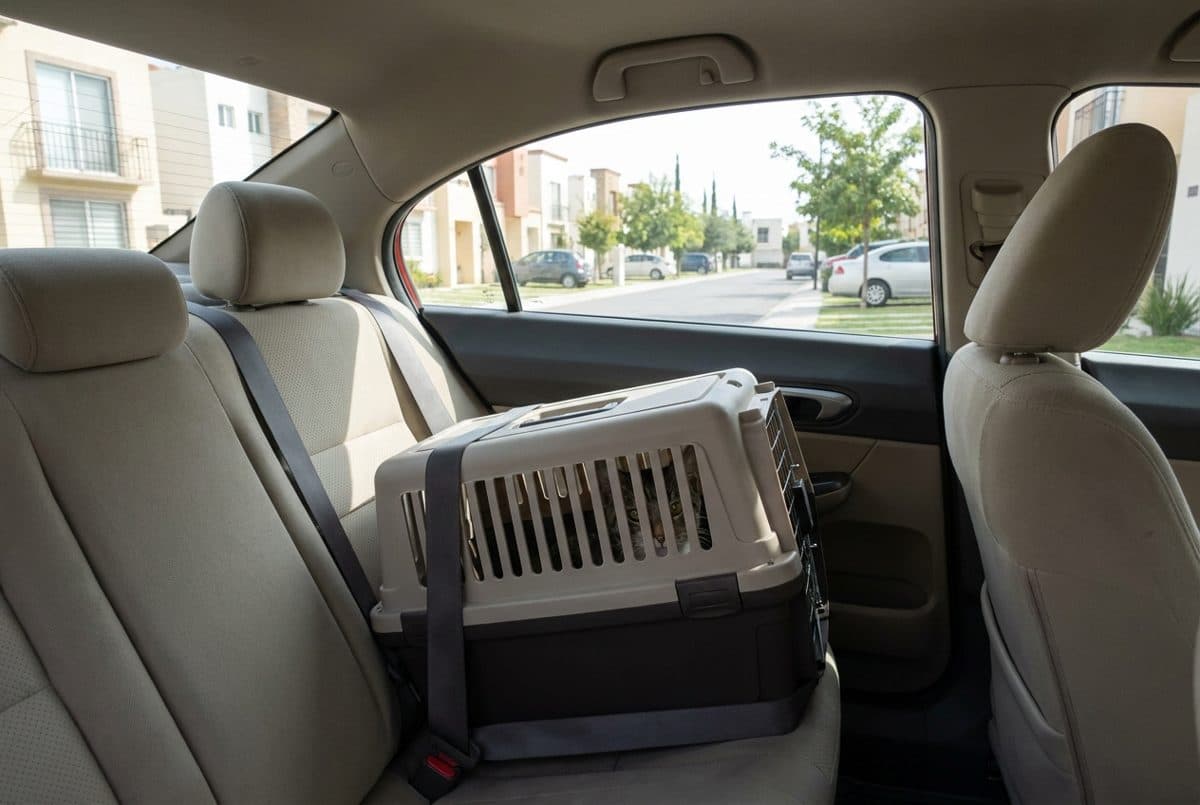
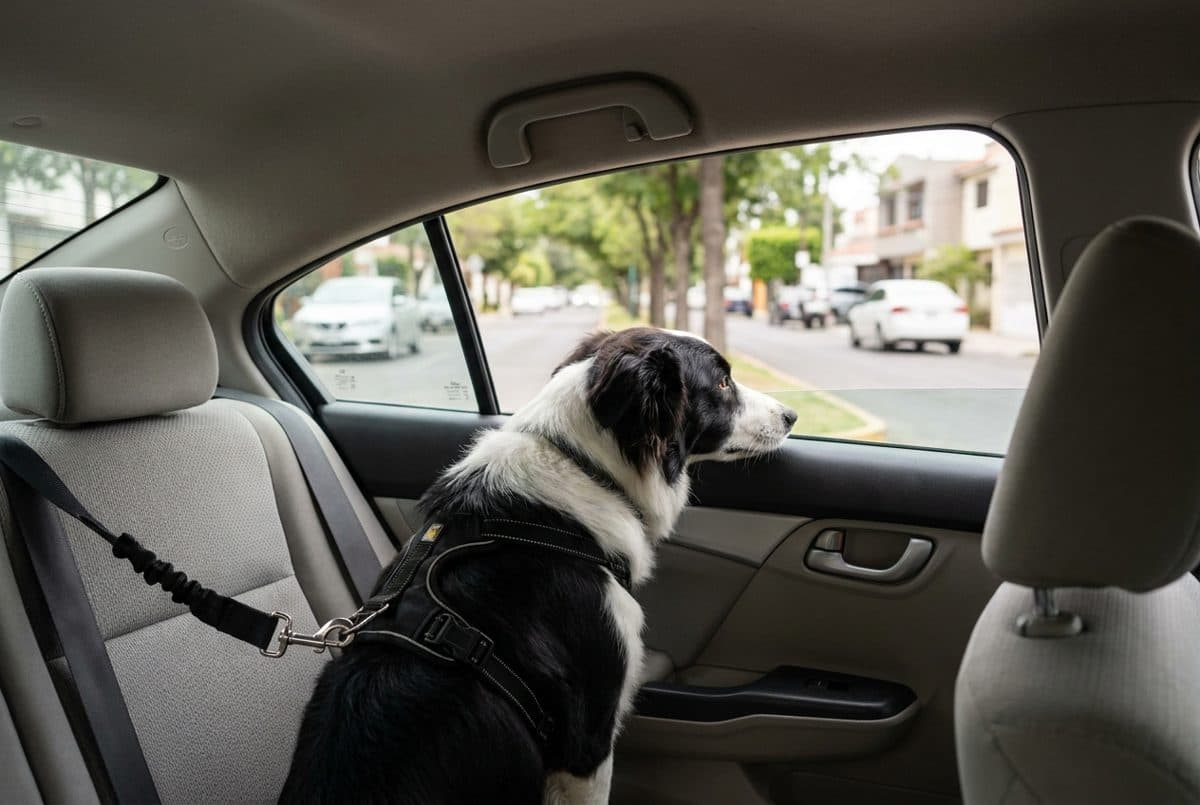
Place the carrier on the vehicle floor behind the front seats and take brief practice drives that return home.
Support cat carriers with two hands underneath the base to maintain stability during transport. Set cat carriers on the vehicle floor behind the front seats because standard seatbelts can crush carriers lacking crash certification.
Drape a towel or light blanket over the carrier to block visual stimuli during transport. Take brief practice drives of a few blocks that return home so travel links to everyday routines.
Carriers with removable tops allow veterinarians to examine cats while they remain nestled in the carrier basin. FelineVMA advises against backpack carriers because they allow excessive movement and visual exposure. PetMD lists bubble backpacks as an option for small cats.
[S2][S3][S4][S8]This is general guidance. Always ask your vet.
Checked against sources; veterinary review pending. Information checked on September 30, 2026. Updated on September 30, 2026.
Written with AI help from the cited sources. A second model checked every fact against them.
Sources
- S1 IATA Live Animals Regulations (LAR) Container Requirement 1
- S2 Purrfect Journey: A Cat Carrier Guide for Caregivers
- S3 Taking your cat to the vet - International Cat Care
- S4 Reducing the Stress of Veterinary Visits for Cats | VCA Animal Hospitals
- S5 How to Crate Train Your Dog | VCA Animal Hospitals
- S6 Playpen and Crate Training A Puppy | Training Tips | Dogs Trust
- S8 How To Get Your Cat Used to Their Carrier | PetMD
- S9 Crate Sizing for Dogs: How To Pick the Right One | PetMD
- S10 How to Crate Train a Puppy | PetMD