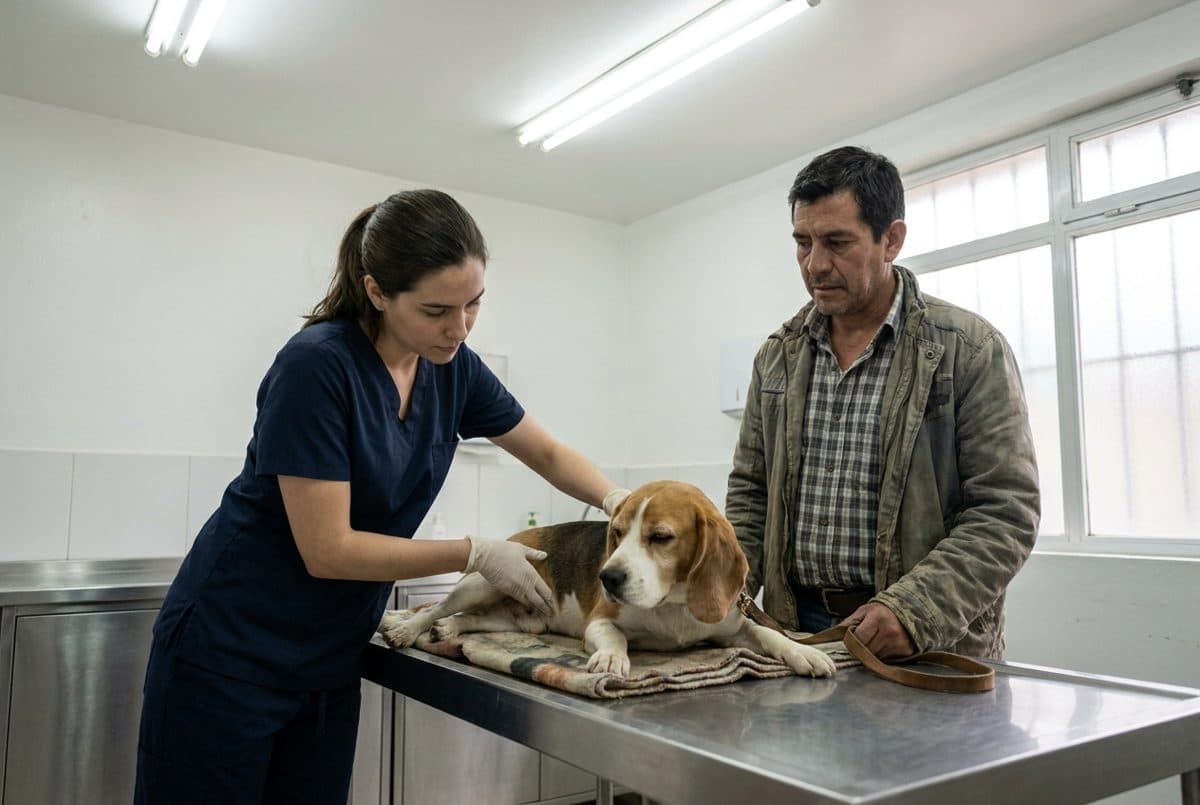
Vomiting and diarrhea cause rapid fluid and electrolyte depletion in dogs and cats. First aid keeps your pet safe and stable on the way to the veterinary clinic.
This is general guidance. Always ask your vet.
What should you do right now if your pet is vomiting or has diarrhea?
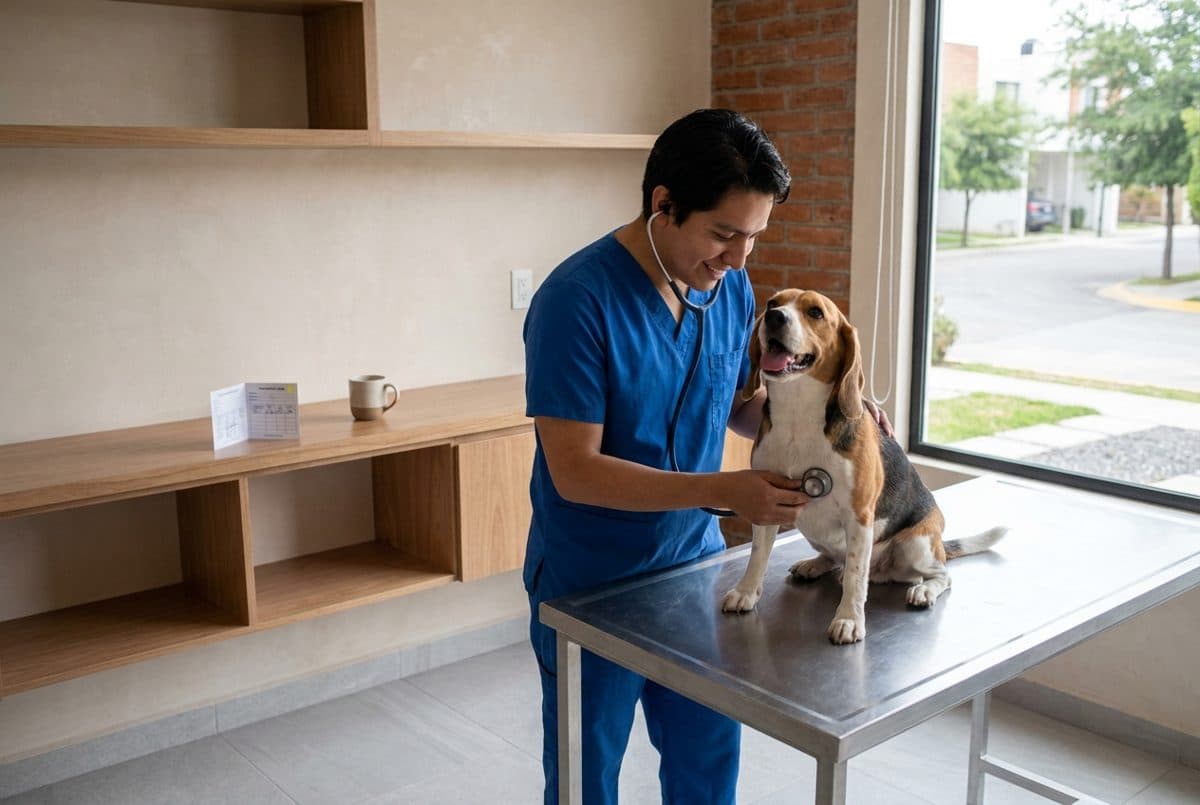
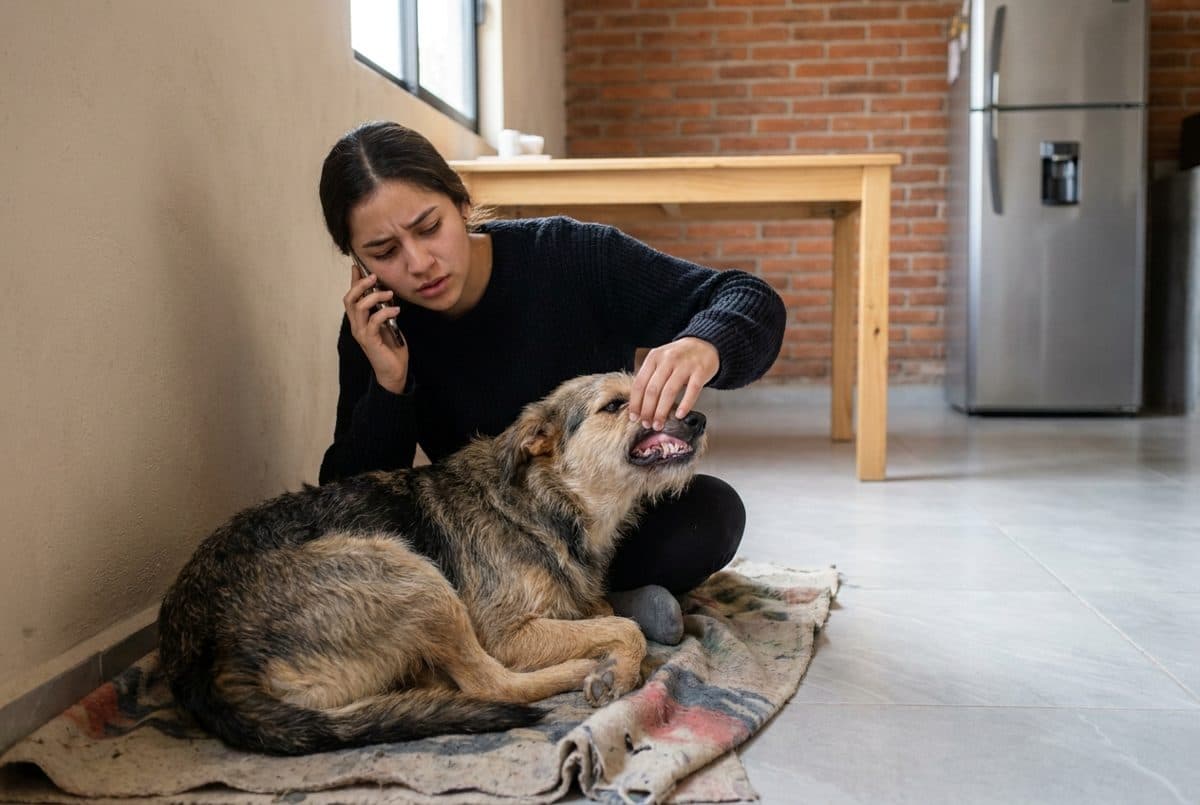
Call your veterinarian or visit an emergency veterinary clinic immediately so medical professionals can evaluate and stabilize your pet.
First aid only keeps your pet safe and stable during transport to the clinic.
Gastrointestinal fluid loss depletes vital electrolytes, including sodium, potassium, and chloride. Severe fluid deficits require clinical veterinary rehydration through intravenous or subcutaneous fluid therapy to protect organ function.
- Call your veterinary clinic or emergency animal hospital to announce your arrival.
- Keep your pet resting comfortably in a quiet, secure carrier or vehicle space.
- Drive directly to the veterinary clinic for professional treatment.
When do vomiting and diarrhea become an emergency in dogs and cats?
Seek emergency veterinary care immediately if your pet vomits three or more times in 24 hours, collapses, or shows blood in waste fluids.
Blood in digestive fluids signals internal bleeding. Fresh red blood or dark material resembling coffee grounds in vomit indicates upper digestive bleeding. Diarrhea containing bright red blood or dark tarry blood indicates intestinal damage.
Unproductive retching paired with a swollen, painful abdomen signals a life-threatening twisted stomach. Sudden vomiting after your pet consumes toxic plants, chemicals, or foreign objects also requires emergency clinical intervention.
[S1][S2][S5][S6][S7][S9][S10]How can you check your pet for dehydration at home?
You can detect dehydration by checking your pet for skin tenting, dry gums, sunken eyes, and thick saliva.
Persistent vomiting and diarrhea deplete water and essential minerals from body tissues. Fluid depletion impairs cellular hydration and normal nerve signaling.
- Lift the loose skin over the neck or shoulders and release it to see if it snaps back instantly or stays tented.
- Press your finger against the gums to check if they feel dry and sticky.
- Check if your pet produces thick, ropey saliva along the lips and teeth.
- Inspect your pet eyes to see if they look dull or sunken into the sockets.
Why do vomiting puppies and kittens require immediate veterinary care?
Puppies and kittens require immediate emergency veterinary evaluation because their small body mass causes rapid dehydration and dangerous blood sugar drops.
Young animals lose fluid reserves rapidly during digestive illness. Withholding food drops blood sugar levels to dangerous extremes, so you must never fast puppies, kittens, or weakened pets without veterinary guidance.
Unvaccinated and incompletely vaccinated puppies face severe risks from canine parvovirus. This life-threatening infection causes vomiting and bloody diarrhea, requiring intensive hospital care.
[S2][S6][S7][S10]How should you manage water and prepare information for the veterinarian?
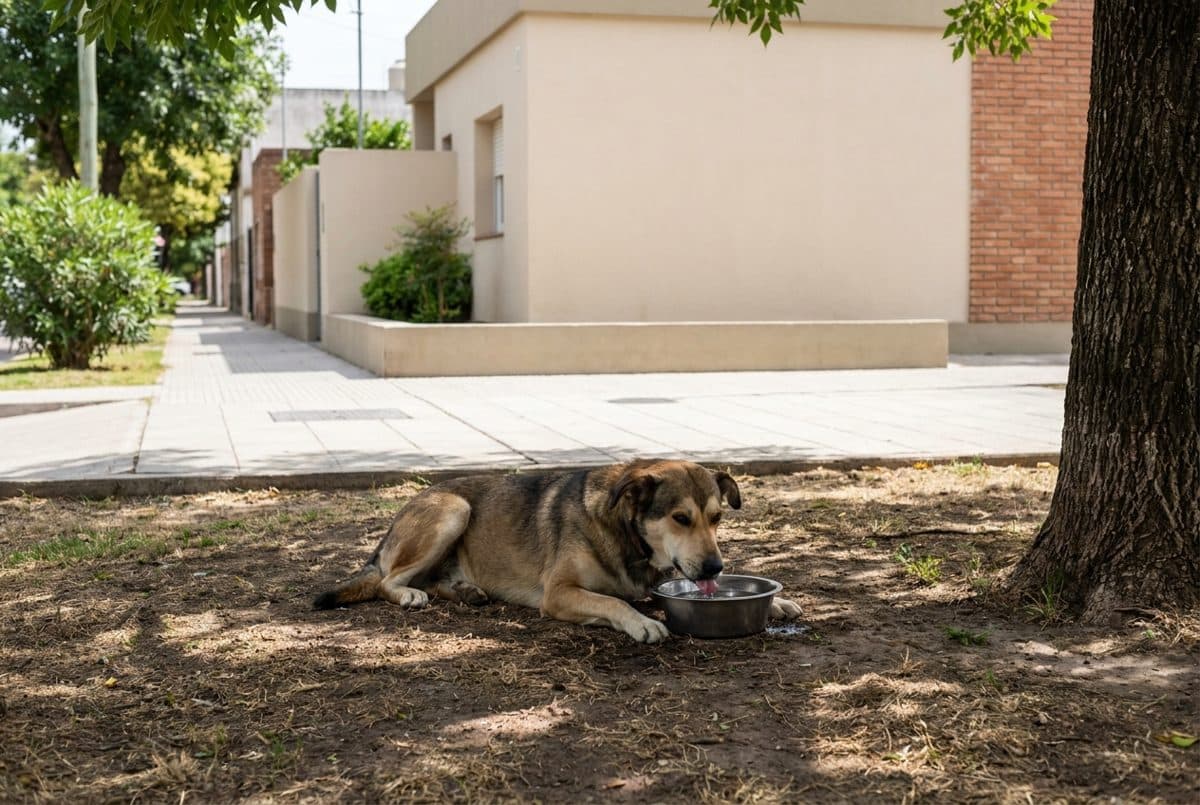
Provide clean water in small, frequent amounts and record your pet symptom history to help the veterinarian assess the illness.
A healthy dog normally drinks approximately 65 milliliters of water per kilogram of body weight daily. Offering 1 teaspoon of water every few hours to small pets prevents rapid gulping that triggers further vomiting.
- Record the exact time of the first vomiting or diarrhea episode and note the total number of events.
- Document all diet changes, table scraps, new treats, or trash exposure during the past 48 hours.
- Take clear photos of vomit and stool, or bring a fresh fecal sample in a sealed container.
- Keep clean, fresh drinking water accessible at all times for pets experiencing mild upset.
When should you go to the vet right away?
- Continuous vomiting, vomiting three or more times in 24 hours, or inability to hold water down
- Vomit containing fresh red blood or dark material resembling coffee grounds
- Diarrhea containing bright red blood or dark tarry blood
- Unproductive retching paired with a distended, swollen, or painful abdomen
- Repeated vomiting occurring within 30 minutes of eating or drinking
- Any vomiting or diarrhea in puppies, kittens, or unvaccinated pets
- Severe lethargy, weakness, unresponsiveness, or physical collapse
- Sudden vomiting or diarrhea following suspected ingestion of toxic plants, chemicals, or human foods
- Refusal to drink water or inability to retain any liquids
- Clinical signs of dehydration, including skin tenting, dry tacky gums, or sunken eyes
This is general guidance. Always ask your vet.
Checked against sources; veterinary review pending. Information checked on September 28, 2026. Updated on September 28, 2026.
Written with AI help from the cited sources. A second model checked every fact against them.
Sources
- S1 Vomiting in Dogs | VCA Animal Hospitals
- S2 Diarrhea in Dogs | VCA Animal Hospitals
- S3 Gastroenteritis in Dogs | VCA Animal Hospitals
- S4 Vomiting | Cornell University College of Veterinary Medicine
- S5 Vomiting in dogs - PDSA
- S6 Dog Diarrhoea - PDSA
- S7 Vomiting in cats - PDSA
- S9 ASPCA Poison Control | (888) 426-4435 | ASPCA
- S10 Is My Dog Dehydrated? | PetMD